Fed's Powell Cites Oil Shock in Higher 2026 Inflation Projections Amid Stagflation Concerns
Unlock More Features
Login to access AI-powered analysis, deep research reports and more advanced features
About us: Ginlix AI is the AI Investment Copilot powered by real data, bridging advanced AI with professional financial databases to provide verifiable, truth-based answers. Please use the chat box below to ask any financial question.
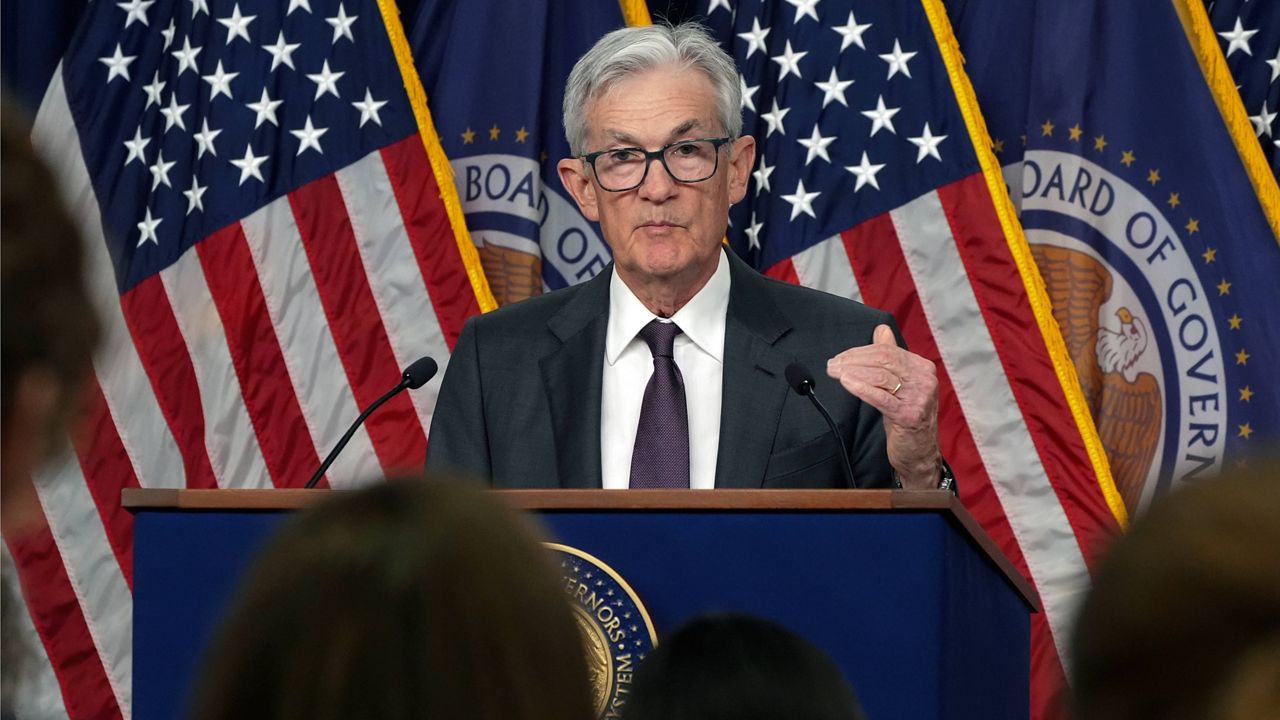
This analysis examines Federal Reserve Chair Jerome Powell’s statements during the March 17-18, 2026 FOMC meeting week, where he acknowledged that an oil shock is “part of” the higher inflation projections for 2026 [3]. The geopolitical situation in the Middle East, specifically conflict involving Iran, has created significant disruptions in global energy markets, pushing Brent crude oil prices above $110 per barrel and threatening to close or jeopardize the critical Strait of Hormuz shipping route [1][2].
The Federal Reserve faces a particularly challenging policy environment as it navigates simultaneously deteriorating labor market conditions and resurgent inflationary pressures—a combination that mirrors 1970s-style stagflation concerns. February 2026 data revealed 92,000 job losses with unemployment rising to 4.4%, indicating the economy is returning to a job-shedding mode [1][2]. Meanwhile, Core PCE inflation stands at 3.1% year-over-year as of January 2026, up from 2.8% in November 2025, while headline inflation at 2.4% in February 2026 is expected to climb toward 3.5% by summer 2026 [1][2].
The Fed is widely expected to implement a “hawkish hold” at the current federal funds rate range of 3.50%-3.75% during this FOMC meeting. Market expectations have shifted dramatically, with the possibility that the Fed’s median “dot plot” Summary of Economic Projections may show zero rate cuts for 2026—a stark departure from previous guidance and market pricing [1][2]. This policy environment creates a complex dilemma for the central bank: cooling labor market conditions would typically warrant rate cuts, while the inflation resurgence demands restraint or even tightening.
- Inflation Overshoot Potential: If oil prices remain sustained above $110/barrel, inflation could accelerate beyond the projected 3.5% summer peak, potentially forcing the Fed to consider rate hikes rather than the currently anticipated hold [2].
- Policy Credibility Risk: The Fed faces challenges in maintaining its inflation-fighting credibility while also addressing labor market weakness, creating potential for mixed signals that could unsettle markets.
- Stagflation Scenario Crystallization: The 1970s-style combination of stagnant growth and high inflation is becoming increasingly plausible, historically associated with prolonged market underperformance and challenging investment conditions [2].
- Geopolitical Escalation: Continued Middle East tensions could further disrupt energy supplies, exacerbating inflation pressures beyond current projections.
- Defensive Sector Positioning: Historical stagflationary periods have favored defensive sectors, real assets, and commodities over growth-oriented investments.
- Fixed Income Relative Value: Higher real yields may create attractive entry points for long-duration bonds once inflation trajectory stabilizes.
- Currency Dynamics: Dollar strength on safe-haven flows may benefit dollar-denominated assets for international investors.
The analysis synthesizes multi-source information indicating a significant deterioration in the Federal Reserve’s inflation outlook for 2026, driven primarily by a geopolitical oil shock from Middle East conflict involving Iran [1][2][3]. Current monetary policy operates at the 3.50%-3.75% range, with a hawkish hold expected at the March 17-18 FOMC meeting. The combination of 92,000 job losses in February 2026, unemployment at 4.4%, Core PCE at 3.1%, and projected headline inflation rising to 3.5% by summer creates a stagflationary environment that challenges traditional Fed policy frameworks [1][2].
The anticipated elimination of projected 2026 rate cuts from the Fed’s dot plot represents a substantial policy shift from prior guidance, requiring market participants to reassess portfolio positioning across asset classes. The incoming Fed chair transition from Powell to Kevin Warsh adds an additional layer of uncertainty to the policy outlook [1]. Investors and market participants should monitor oil price trajectory, Middle East developments, and subsequent labor market data releases as critical inputs for updating economic and policy expectations.
Insights are generated using AI models and historical data for informational purposes only. They do not constitute investment advice or recommendations. Past performance is not indicative of future results.
About us: Ginlix AI is the AI Investment Copilot powered by real data, bridging advanced AI with professional financial databases to provide verifiable, truth-based answers. Please use the chat box below to ask any financial question.