SaaS to GaaS Transformation: Monday.com, Atlassian, and HubSpot Face AI-Driven Disruption Risks
Unlock More Features
Login to access AI-powered analysis, deep research reports and more advanced features
About us: Ginlix AI is the AI Investment Copilot powered by real data, bridging advanced AI with professional financial databases to provide verifiable, truth-based answers. Please use the chat box below to ask any financial question.
Related Stocks
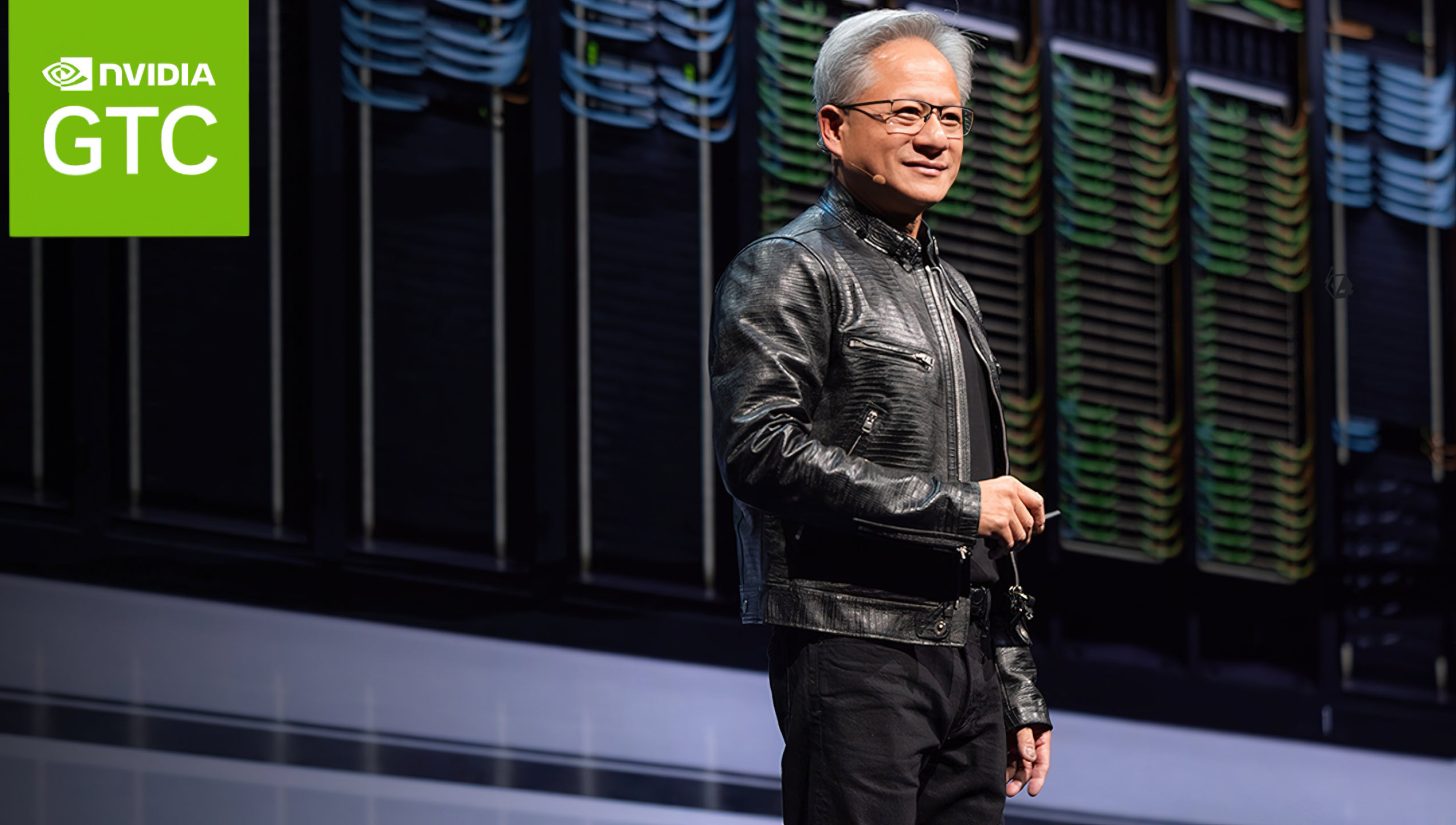
This analysis is based on the Seeking Alpha article published on March 18, 2026, titled “SaaS Becomes GaaS - 3 Stocks That I’m Avoiding” [1], which examines the transformative impact of Nvidia’s GTC 2026 on the software industry. The article argues that Nvidia’s GTC 2026 revealed a “transformative AI stack” that is accelerating the shift from traditional SaaS to what the author terms “GaaS” (Agentic AI as a Service).
This shift represents a fundamental disruption to the existing SaaS business model, particularly threatening seat-based revenue structures that have been the foundation of the SaaS industry for over a decade. The author identifies Monday.com (MNDY), Atlassian (TEAM), and HubSpot (HUBS) as three companies facing severe commoditization risks as Agentic AI automates workflows and erodes their competitive moats [1].
The transformation from SaaS to GaaS represents a paradigm shift in how enterprise software is delivered and monetized:
- Traditional SaaS Model: Subscription-based access to software functionality, typically charging per seat or per user
- GaaS (Agentic AI as a Service) Model: AI-powered agents that autonomously execute workflows, replacing the need for traditional software interfaces and seat-based licensing
According to industry commentary from Nvidia’s GTC 2026 keynote, the company is now positioning itself as a heterogeneous AI infrastructure platform that drives enterprise IT renaissance from “SaaS to GaaS (Agent as a Service)” [3][4]. The emergence of AI factories and agentic AI systems represents the most significant shift in enterprise computing since the advent of cloud computing itself.
The traditional SaaS revenue model is fundamentally threatened by this shift:
- Budget Reallocation: Businesses are shifting budgets from SaaS subscriptions to AI infrastructure, with over $470 billion allocated to AI infrastructure in 2026 alone [5]
- Agent Replacement: AI agents can now perform tasks that previously required multiple SaaS applications and human operators
- Lower Barriers to Entry: The democratization of AI tools through platforms like Nvidia’s stack reduces the competitive barriers that protected established SaaS players
Nvidia’s GTC 2026 unveiled several key technological developments driving this transformation [6]:
- Agentic AI Operating System (OpenClaw): A new operating system specifically designed for AI agents
- Cosmos Platform: Physical AI and world generation capabilities
- Token-Based Value Creation: The emergence of tokens as the new currency in AI economies
- Dell AI Data Platform Integration: Major infrastructure partnerships accelerating enterprise AI deployment
The three companies highlighted in the article have experienced significant stock price declines, reflecting market concerns about their competitive positioning:
| Company | Market Cap | Current Price | YTD Performance | 1-Year Performance |
|---|---|---|---|---|
| Monday.com (MNDY) | $3.81B | $73.97 | -48.42% | -71.24% |
| Atlassian (TEAM) | $19.33B | $73.47 | -52.53% | -66.52% |
| HubSpot (HUBS) | $13.82B | $262.11 | -31.43% | -56.09% |
Market data retrieved March 18, 2026 [0]
All three companies have seen their stock prices decline by more than 50% over the past year, with Monday.com experiencing the most severe decline at 71.24% [0]. This massive repricing reflects investor concerns about the sustainability of their business models in an AI-first world.
Despite the severe stock price declines, analyst consensus remains broadly bullish:
- : 80% Buy rating, consensus target $122.50 (+65.6% upside) [0]
- Atlassian: 73.8% Buy rating, consensus target $167.50 (+128% upside) [0]
- HubSpot: 91.5% Buy rating, consensus target $340.00 (+29.7% upside) [0]
This disconnect between analyst targets and current market pricing suggests significant uncertainty about the transformation’s impact. Notably, Jefferies recently downgraded Monday.com from Buy to Hold [0], indicating growing skepticism about the company’s competitive positioning.
The broader Technology sector ranked 8th out of 11 sectors on March 18, 2026, with a daily decline of -1.01% [0]. Industry commentators have labeled this period “SaaSpocalypse 2026” [2], with companies like HubSpot down 51%, and Atlassian, DocuSign, Asana, and Monday.com all experiencing what has been characterized as “indiscriminate selling” [7].
- Structural Revenue Model Decline: Seat-based revenue models face fundamental pressure as AI agents replace human workflows, representing a structural rather than cyclical challenge
- Competitive Moat Erosion: User interface and workflow design advantages that protected traditional SaaS players are rapidly eroding
- Valuation Compression: The compression in SaaS valuations reflects market realization that AI may reduce rather than enhance traditional SaaS value propositions
- Budget Shifting: Enterprise budgets are shifting from software subscriptions to AI infrastructure investments
- AI-Native Transformation: Companies that successfully develop genuine AI-native capabilities rather than adding AI features to legacy architectures may emerge stronger
- Revenue Model Innovation: Revenue model innovation beyond seat-based pricing could unlock new value capture mechanisms
- Established Customer Relationships: All three companies retain strong balance sheets and established customer relationships that provide transformation runway
The disconnect between analyst consensus (predominantly Buy ratings) and market performance suggests either significant mispricing or that the market is pricing in a more severe disruption scenario than analysts currently anticipate.
The Seeking Alpha article captures a significant inflection point in the software industry. Nvidia’s GTC 2026 revealed an AI stack that fundamentally threatens the SaaS business model by enabling autonomous AI agents to perform workflows that previously required multiple SaaS applications and human operators.
The three companies highlighted—Monday.com, Atlassian, and HubSpot—represent established SaaS players whose seat-based revenue models face structural pressure from this transformation. Their combined market cap decline of 50-70% over the past year reflects market repricing of their growth prospects in an AI-first world [0].
The transformation imperative for SaaS companies is clear: they must develop genuine AI-native capabilities, innovate their revenue models beyond seat-based pricing, and recognize that competitive moats based on traditional software design are rapidly eroding. The transition from SaaS to GaaS will take years rather than quarters, providing potential opportunity for companies that successfully navigate this transformation.
The broader Technology sector’s underperformance on March 18, 2026 (-1.01%, ranking 8th of 11 sectors) [0] reflects ongoing rotation away from traditional growth stocks toward more defensive positioning, with SaaS companies particularly affected by these structural concerns.
Insights are generated using AI models and historical data for informational purposes only. They do not constitute investment advice or recommendations. Past performance is not indicative of future results.
About us: Ginlix AI is the AI Investment Copilot powered by real data, bridging advanced AI with professional financial databases to provide verifiable, truth-based answers. Please use the chat box below to ask any financial question.