Federal Reserve Maintains Rates, Signals Single Cut for 2026
Unlock More Features
Login to access AI-powered analysis, deep research reports and more advanced features
About us: Ginlix AI is the AI Investment Copilot powered by real data, bridging advanced AI with professional financial databases to provide verifiable, truth-based answers. Please use the chat box below to ask any financial question.
Related Stocks
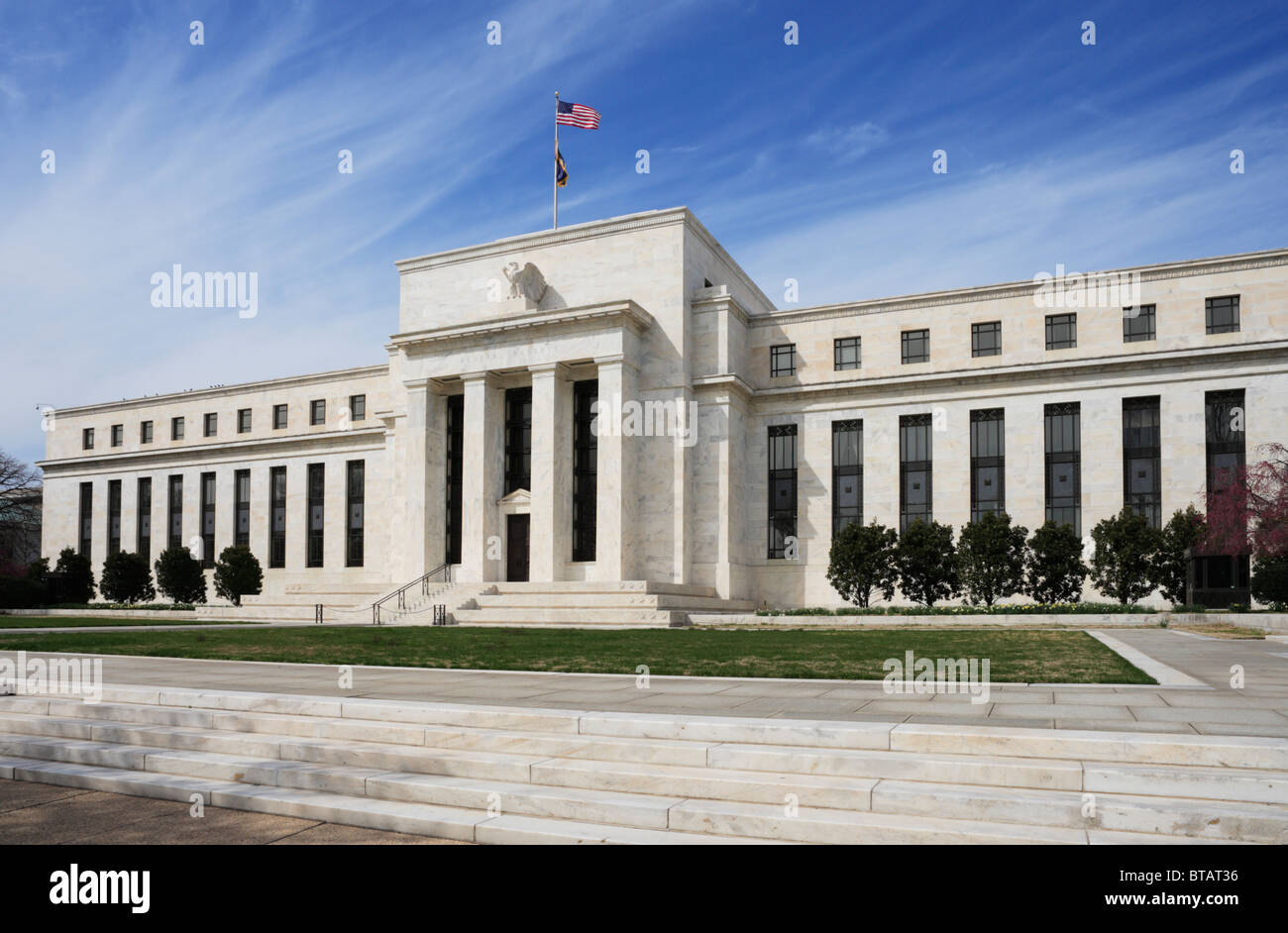
This analysis is based on the Fox Business report [1] published on March 18, 2026, which reported that the Federal Reserve’s FOMC voted 11-1 to keep the federal funds rate unchanged at the 3.5%-3.75% range, marking the second consecutive meeting with steady rates following three 25-basis-point cuts in September, October, and December 2025.
The Fed’s median projection now indicates only one rate cut (25 basis points) in 2026, down from the two cuts previously expected in December 2025’s Summary of Economic Projections (SEP). This represents a 50% reduction in anticipated rate relief for the year.
The Federal Reserve’s decision to maintain rates reflects a complex balancing act between multiple competing economic factors. The FOMC’s 11-1 vote demonstrates broad institutional consensus for patience, with only Kansas City Fed President Jeffrey Schmid advocating for an immediate cut [1].
-
Geopolitical Uncertainty: The Iran war introduces significant uncertainty that the Fed explicitly cited as a factor affecting their outlook. This represents a new variable not present in previous policy discussions.
-
Stubborn Inflation: The Personal Consumption Expenditures (PCE) inflation forecast has worsened to 2.7%, up from 2.4% in December 2025, remaining well above the Fed’s 2% target [1]. This persistent inflationary pressure constrains the Fed’s ability to ease policy.
-
Sluggish Labor Market: The jobs market has not demonstrated the strength necessary to give the Fed confidence that rate cuts can proceed without risking renewed inflationary pressures.
The market’s reaction reflects a dramatic shift in expectations over just one month:
| Metric | Current (March 2026) | Previous (February 2026) | Change |
|---|---|---|---|
| Probability rates unchanged through December | 51.3% | 4.9% | +46.4% |
| Probability of 1 cut by December | 35.7% | 4.9% | +30.8% |
| Probability of unchanged in June | 89.2% | 37.8% | +51.4% |
This represents one of the most significant expectation shifts in recent Fed history, with the probability of rates staying unchanged through year-end jumping by over 46 percentage points in a single month [1].
All major indices declined significantly on March 18, 2026 [0]:
- S&P 500: -1.08%
- NASDAQ: -1.20%
- Dow Jones Industrial Average: -1.47%
- Russell 2000: -1.30%
The negative reaction indicates investors had been pricing in more aggressive rate cuts and are now forced to reassess their positioning. Growth and rate-sensitive sectors typically face the greatest pressure in such environments.
Chair Jerome Powell’s assertion that future rate cuts are “conditional” on inflation progress represents a significant shift in Fed communication strategy. The market now understands that without demonstrable progress toward the 2% inflation target, additional rate relief will not materialize.
The projection of only one cut in 2026, followed by one more in 2027, suggests the Fed views the current monetary policy stance as appropriate for an extended period. This “higher for longer” framework has significant implications for:
- Borrowing costs: Mortgage rates, corporate borrowing, and consumer credit will remain elevated
- Equity valuations: Discount rates for growth stocks remain higher than in a lower-rate environment
- Dollar dynamics: Higher rates relative to other central banks support dollar strength
The explicit inclusion of Iran war uncertainty in the Fed’s decision-making framework marks a notable development. The Fed has traditionally sought to look through geopolitical events unless they materially affect the economic outlook. This suggests the confluence of Middle East instability with already-elevated inflation creates a uniquely challenging policy environment.
The lone dissent from Kansas City Fed President Jeffrey Schmid favoring a cut is noteworthy. This suggests that while the majority view favors patience, there is meaningful concern within the committee about the potential economic impact of restrictive monetary policy.
-
Inflation Persistence Risk: The PCE forecast of 2.7% versus a 2% target indicates inflation remains a significant concern. If price pressures prove stickier than expected, the Fed may need to reassess even the single projected cut.
-
Geopolitical Escalation Risk: Further escalation in the Iran conflict could introduce additional supply-side inflationary pressures, complicating the Fed’s task.
-
Labor Market Deterioration Risk: Should job growth slow more significantly than anticipated, the Fed faces a potential conflict between supporting employment and fighting inflation.
-
Market Volatility Risk: The dramatic repricing of rate expectations suggests elevated market sensitivity to incoming data and Fed communications.
-
Fixed Income Positioning: For investors with longer time horizons, the higher rate environment provides attractive yields in quality fixed income securities.
-
Selective Equity Exposure: Companies with strong balance sheets and pricing power may outperform in an environment where borrowing costs remain elevated.
-
Dollar Strength: The rate differential advantage supports dollar-denominated assets, potentially benefiting U.S. investors with international exposure.
The Federal Reserve’s March 2026 decision represents a significant recalibration of monetary policy expectations. With the federal funds rate remaining at 3.5%-3.75% and only one cut projected for 2026, the “higher for longer” narrative has been reinforced [1].
The market’s negative reaction reflects the substantial shift in expectations, with the probability of rates remaining unchanged through December now exceeding 50% [1]. Investors should monitor upcoming economic data—particularly weekly jobless claims and PCE inflation figures—along with any developments related to the Iran conflict.
The Fed’s explicit linkage of future rate cuts to inflation progress establishes clear conditionality for monetary policy easing. Without meaningful progress toward the 2% PCE target, the single projected cut for 2026 itself faces downside risk.
Insights are generated using AI models and historical data for informational purposes only. They do not constitute investment advice or recommendations. Past performance is not indicative of future results.
About us: Ginlix AI is the AI Investment Copilot powered by real data, bridging advanced AI with professional financial databases to provide verifiable, truth-based answers. Please use the chat box below to ask any financial question.