Powell Refuses to Step Down Amid DOJ Probe; Oil at $115 Threatens Rate Cuts
Unlock More Features
Login to access AI-powered analysis, deep research reports and more advanced features
About us: Ginlix AI is the AI Investment Copilot powered by real data, bridging advanced AI with professional financial databases to provide verifiable, truth-based answers. Please use the chat box below to ask any financial question.
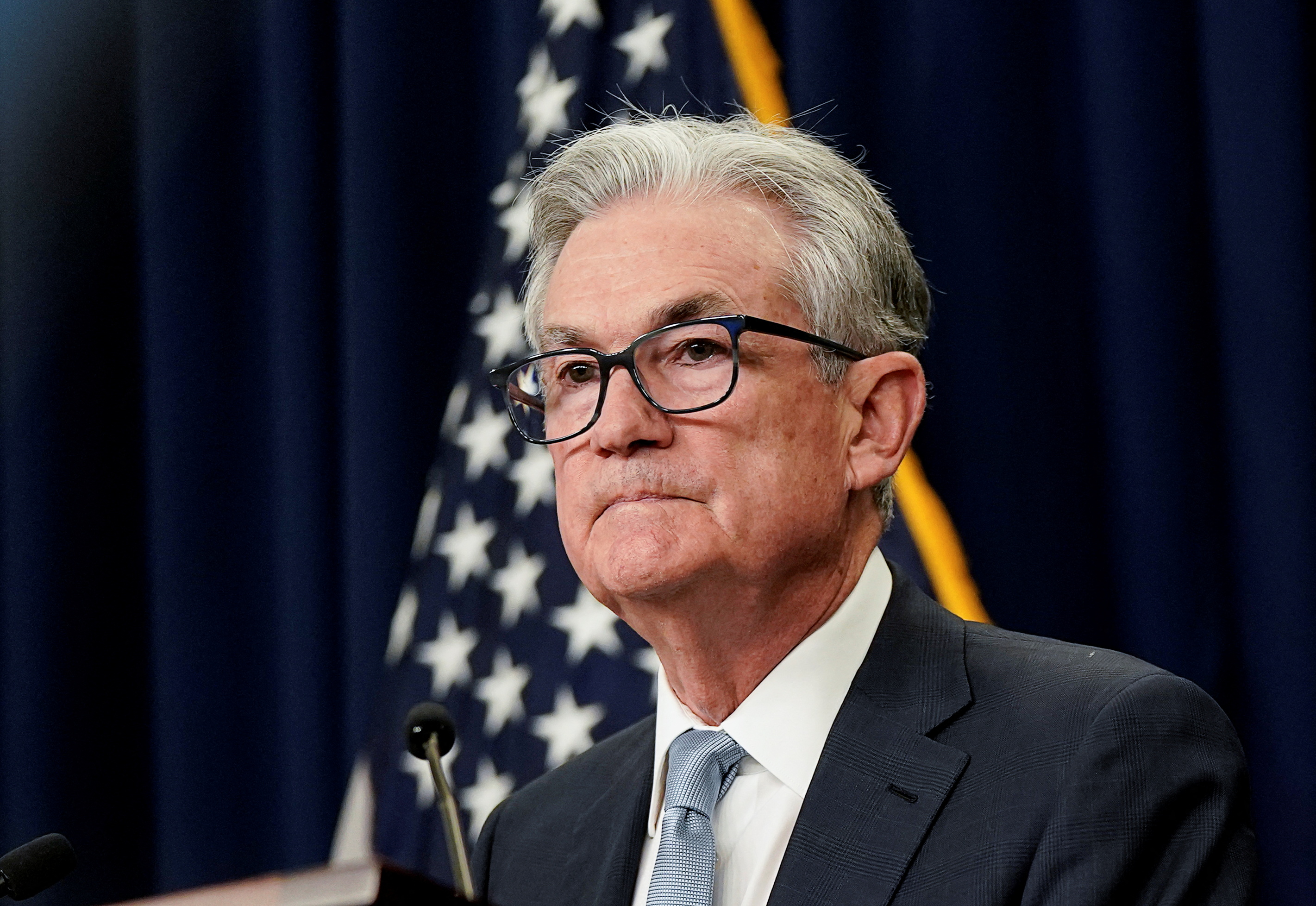
Federal Reserve Chair Jerome Powell has explicitly refused to step down amid an ongoing DOJ investigation into his conduct related to renovation costs, stating he has “no intention of leaving the board until the investigation is well and truly over” [1][2][4]. This direct challenge to the Trump administration comes at a critical juncture, as Powell’s term as Fed chair expires in May 2026.
The political context is complex: Kevin Warsh has been nominated by President Trump to succeed Powell, but the confirmation process appears stalled [3]. A federal judge recently quashed DOJ subpoenas against Powell, complicating the administration’s efforts to clear the path for Warsh’s confirmation [7]. Senator Kevin Cramer (R-ND) has publicly supported Warsh’s confirmation, highlighting the partisan dimensions of this standoff.
Oil prices have surged past $115/barrel due to escalating U.S. conflict with Iran, creating significant inflationary pressure [5][6]. This represents a major headwind for the Fed’s disinflation efforts. The Wall Street Journal’s chief economics correspondent Nick Timiraos has warned that rising oil prices, persistent inflation, and Fed uncertainty could delay rate cuts and threaten economic growth.
The Fed held interest rates steady at its recent meeting and had projected just one rate cut for 2026. However, this outlook is now highly uncertain given the energy price shock. Higher oil prices filter through to transportation costs, manufacturing inputs, and consumer prices more broadly, potentially reversing the positive inflation trends observed in recent months.
Financial markets have responded negatively to this convergence of uncertainties. Recent market data [0] shows significant declines across major indices on March 18, 2026:
- S&P 500: Down 1.08%
- Dow Jones Industrial Average: Down 1.47%
- Nasdaq Composite: Down 1.20%
- Russell 2000: Down 1.30%
The selling pressure has been consistent throughout the week, with week-over-week declines totaling approximately 2-3% across major indices. Treasury yields have spiked as markets price in the likelihood of delayed rate cuts, compounding the challenges for rate-sensitive sectors.
The situation represents an unprecedented confrontation between the Fed’s institutional independence and executive branch authority. Powell’s refusal to voluntarily step down creates a constitutional question about the president’s authority to remove or pressure a sitting Fed chair. The DOJ investigation—which was itself unusual—has now been complicated by the court ruling quashing subpoenas, leaving the Trump administration with limited legal options to expedite Powell’s departure.
The combination of elevated oil prices, persistent inflation, and the Fed’s inability to ease monetary policy increases stagflation risks. Economic data showing a jobs slump has deepened recession worries [6]. The Fed faces a difficult balancing act: higher rates to combat inflation from energy prices, while the broader economy shows signs of weakening.
Kevin Warsh’s path to the Fed chairmanship has become increasingly uncertain. With Powell refusing to vacate and legal challenges stalling the confirmation process, the Fed may face a period of leadership ambiguity extending beyond Powell’s May 2026 term end. This uncertainty could further destabilize markets already concerned about monetary policy direction.
-
Inflation Resurgence: Oil at $115+/barrel from the Iran conflict could reverse disinflation progress, forcing the Fed to maintain or increase restrictive monetary policy [5][6].
-
Leadership Vacuum: Powell’s refusal creates constitutional tension with the administration’s nominee, potentially extending Fed leadership uncertainty beyond May 2026.
-
Recession Probability: The combination of persistent inflation, higher energy costs, and constrained monetary policy increases the risk of economic contraction.
-
Market Volatility: Continued selling pressure reflects investor uncertainty about the economic and policy outlook.
- Defensive Positioning: Utilities, consumer staples, and healthcare sectors historically outperform during periods of uncertainty.
- Energy Sector Exposure: While oil prices present inflation risks, energy companies may benefit from elevated prices in the near term.
- Fixed Income: Higher yields create attractive entry points for long-term bond investors, though short-term volatility may persist.
This analysis synthesizes information from multiple sources regarding the convergence of Fed leadership uncertainty, geopolitical conflict, and monetary policy challenges. The core findings indicate:
- Powell’s statement rejecting voluntary resignation creates a direct confrontation with the Trump administration
- Oil prices at $115+/barrel represent a significant inflationary shock that threatens the Fed’s projected rate cut trajectory
- Market declines of 1%+ across major indices reflect investor concerns about economic growth and policy uncertainty
- The Fed’s single projected rate cut for 2026 is now highly uncertain given energy price escalation
- Kevin Warsh’s confirmation appears stalled amid legal and political complications
- Powell’s term ends May 2026, creating a timeline pressure for resolution
All stakeholders should monitor upcoming economic data (CPI, employment figures), Fed communications, U.S.-Iran conflict developments, and Senate confirmation dynamics as this situation evolves.
Insights are generated using AI models and historical data for informational purposes only. They do not constitute investment advice or recommendations. Past performance is not indicative of future results.
About us: Ginlix AI is the AI Investment Copilot powered by real data, bridging advanced AI with professional financial databases to provide verifiable, truth-based answers. Please use the chat box below to ask any financial question.