ECB Ready to Act on Inflation Amid Energy Price Volatility

#ecb_monetary_policy #eurozone_inflation #energy_prices #central_bank_policy #francois_villeroy #interest_rates #geopolitical_risk
Neutral
General
March 20, 2026

Unlock More Features

Login to access AI-powered analysis, deep research reports and more advanced features
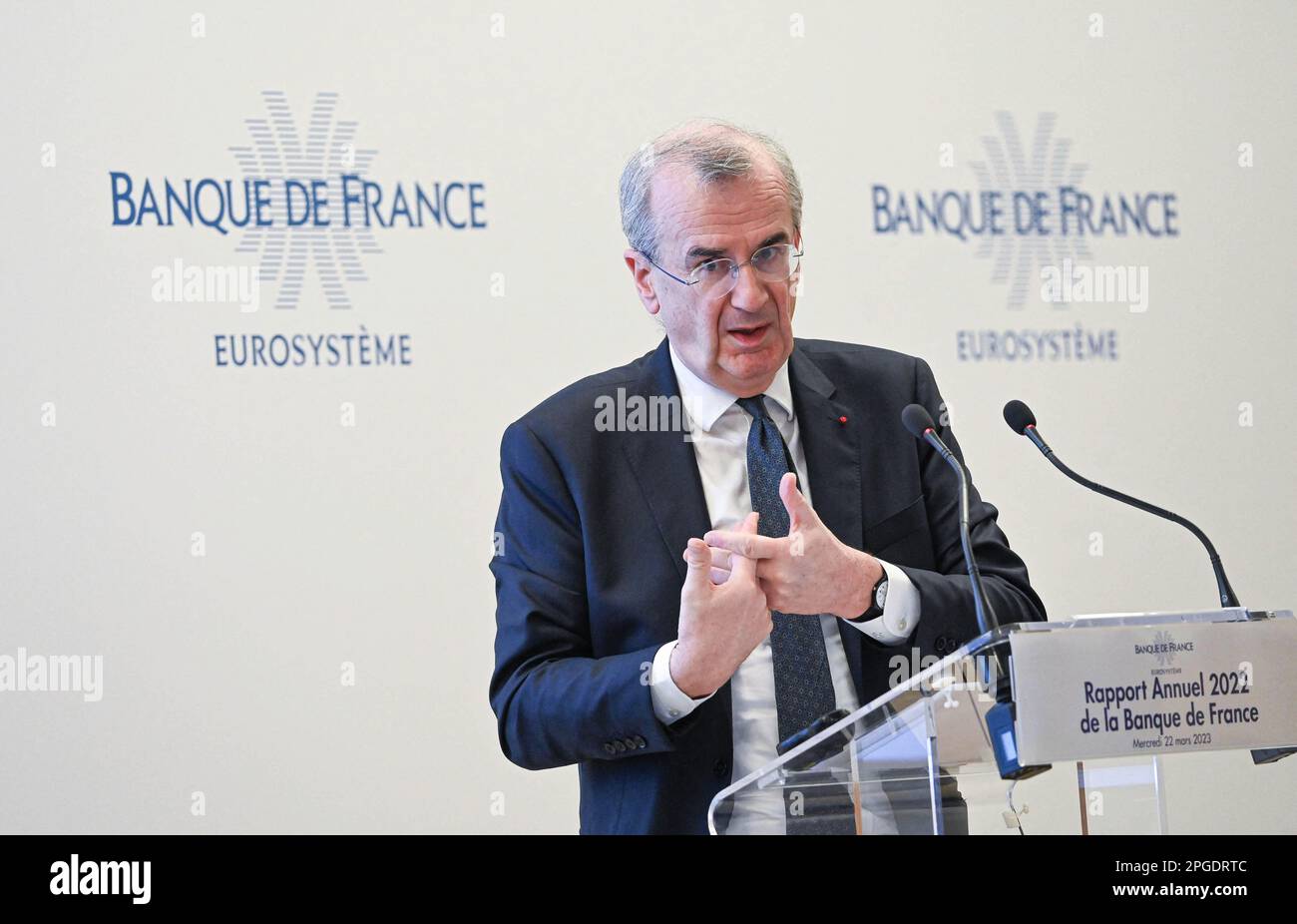
ECB Ready to Act on Inflation Amid Energy Price Volatility

About us: Ginlix AI is the AI Investment Copilot powered by real data, bridging advanced AI with professional financial databases to provide verifiable, truth-based answers. Please use the chat box below to ask any financial question.

Integrated Analysis

This analysis synthesizes findings from multiple analytical dimensions to provide a comprehensive view of the ECB’s policy stance amid escalating energy-driven inflation pressures.

Policy Context and Recent ECB Actions
: The European Central Bank’s March 19, 2026 rate decision marked a critical juncture in monetary policy [0]. The ECB maintained its key interest rate at 2% but significantly revised its inflation outlook, raising the 2026 forecast to 2.6% from the previous 1.9% projection [2][3]. This upward revision reflects the substantial impact of energy price increases stemming from the Middle East conflict affecting Iran, which has disrupted global energy supply chains.

Energy Price Dynamics
: The energy market surge represents the primary inflation driver [4][5]. European natural gas prices have jumped approximately 25% to above €68 per megawatt-hour, while crude oil prices have escalated significantly—WTI crude trading above $96 per barrel and Brent crude exceeding $114 per barrel [4][5]. These price levels compare starkly with earlier 2026 projections and create substantial upward pressure on eurozone inflation.

Market Expectation Reversal
: One of the most notable developments is the dramatic shift in market expectations [2][3]. Just three weeks prior to this announcement, markets were pricing in rate cuts; now, traders anticipate two rate hikes by December 2026 [2]. This sentiment shift reflects the sudden realization that the energy price shock may prove more persistent than initially anticipated, potentially requiring a policy response.

Monetary Policy Constraints
: Unlike the 2022-2023 energy crisis when the ECB could hike from near-zero rates, the current situation presents a more constrained policy environment [0]. With rates already at 2% following the recent easing cycle, the ECB has less conventional policy space. This limitation increases the importance of communication and forward guidance as policy tools.

Key Insights

Cross-Domain Correlations
: The interconnection between geopolitical events and monetary policy has become immediately apparent [6]. The Middle East conflict’s impact on energy facilities creates a supply-side shock that central banks cannot directly influence through traditional monetary policy levers [6]. This highlights the challenge of managing imported inflation while domestic demand remains fragile.

Communication Strategy Significance
: Villeroy’s statement emphasizes a balanced approach—neither “inactive” nor “overreact”—suggesting the ECB is attempting to manage expectations carefully [1]. This calibrated language aims to avoid market panic while signaling commitment to the 2% inflation target. The ECB’s characterization of the outlook as “significantly more uncertain” with “upside risks to inflation and downside risks to growth” underscores the delicate balancing act facing policymakers [2][3].

Second-Order Effect Risks
: Beyond the immediate energy price impact, policymakers must monitor potential second-round effects on services inflation and wage dynamics [0]. The experience from the 2022-2023 energy crisis demonstrated how initial supply shocks can become embedded in broader inflation expectations, complicating the disinflation process.

Global Central Bank Coordination
: The ECB’s stance aligns with other major central banks—including the Bank of England—which have similarly warned of inflation risks from energy prices while acknowledging the limitations of monetary policy in addressing supply-side shocks [6][7]. This coordinated awareness suggests a potentially unified approach to managing the current inflationary pressure.

Risks & Opportunities
Risk Factors
  1. Inflation Persistence Risk
    : The ECB has explicitly flagged upside risks to inflation from the Middle East conflict [2][3]. Unlike the 2022-2023 energy crisis, the current supply disruption may prove more sustained due to the severity of the geopolitical situation. Historical patterns suggest that prolonged energy price elevation can entrench inflation expectations.

  2. Policy Constraint Risk
    : The ECB’s limited room for maneuver presents a significant challenge [0]. With rates at 2% after the recent easing cycle, the central bank has less conventional policy space compared to the previous inflation surge when it could hike aggressively from zero rates. This constraint may require greater reliance on unconventional tools or forward guidance.

  3. Growth-Inflation Tradeoff Risk
    : The dual mandate challenge has intensified [6]. Energy price increases simultaneously threaten growth through higher costs while forcing inflationary pressure. The ECB’s projection of downside risks to growth compounds this difficulty, as aggressive tightening could exacerbate economic weakness.

  4. Market Volatility Risk
    : The rapid expectation shift—from rate cuts to rate hikes—creates potential for heightened financial market volatility [2][3]. Asset prices, particularly in interest-rate-sensitive sectors, may experience significant repricing as markets adjust to the new policy paradigm.

Opportunity Windows
  1. Communication Effectiveness
    : The ECB’s clear commitment to the 2% target, balanced with measured language about avoiding overreaction, presents an opportunity to maintain credibility while providing market stability.

  2. Gradual Adjustment Framework
    : The “ready to act” but measured stance allows for data-dependent policy adjustment, potentially avoiding the sharp movements that could destabilize markets.

  3. Global Coordination
    : Aligned messaging among major central banks (ECB, BoE, Federal Reserve) on the nature of the inflation threat could provide a more coherent global response [6][7].

Key Information Summary

This analysis presents factual information and market context to support decision-making, avoiding prescriptive recommendations about specific investment actions.

Critical Data Points
[0]:

  • ECB key interest rate: 2% (held unchanged March 19, 2026)
  • 2026 inflation forecast: 2.6% (raised from 1.9%)
  • 2027 inflation projection: 2%
  • 2028 inflation projection: 2.1%
  • European natural gas: €68+/MWh (+25%)
  • WTI crude: $96+/barrel
  • Brent crude: $114+/barrel
  • Market expectation: Two rate hikes by December 2026

Policy Stance Summary
: The ECB, through Governor Villeroy de Galhau, has communicated a balanced approach to managing energy-driven inflation [1]. The central bank is committed to its 2% inflation target while avoiding premature or excessive policy tightening that could unnecessarily harm economic growth. This “middle path” reflects the considerable uncertainty in the current outlook.

Key Monitoring Areas
:

  • Energy price trajectory and persistence
  • Next ECB Governing Council meeting (April 2026)
  • Wage and services inflation dynamics
  • Federal Reserve policy decisions and global coordination
  • Euro exchange rate movements

The situation remains fluid, with the evolution of the Middle East conflict and its impact on energy markets representing the primary source of uncertainty for the ECB’s policy path.

Related Reading Recommendations
No recommended articles
Ask based on this news for deep analysis...
Alpha Deep Research
Auto Accept Plan

Insights are generated using AI models and historical data for informational purposes only. They do not constitute investment advice or recommendations. Past performance is not indicative of future results.