Iran War Energy Crisis: Global Economic Impact Analysis
Unlock More Features
Login to access AI-powered analysis, deep research reports and more advanced features
About us: Ginlix AI is the AI Investment Copilot powered by real data, bridging advanced AI with professional financial databases to provide verifiable, truth-based answers. Please use the chat box below to ask any financial question.
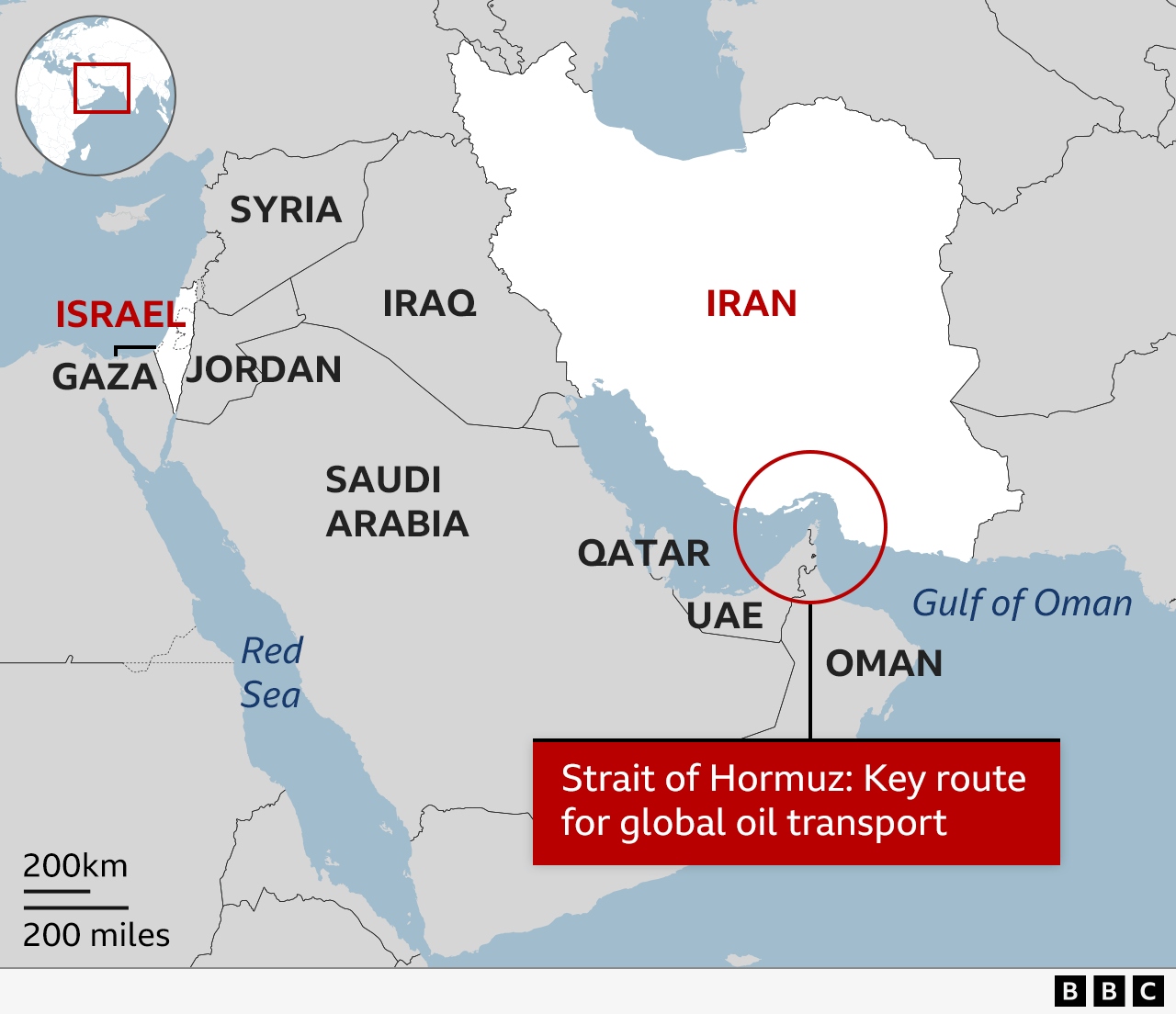
The Iran war has precipitated the most significant global energy supply disruption in modern history. Following US-Israeli strikes on February 28, 2026, Iran’s closure of the Strait of Hormuz has halted approximately 20 million barrels of oil and petroleum products that normally transit the waterway daily—equivalent to one-fifth of global oil supply [1][2]. This crisis has fundamentally altered the global energy landscape, with cascading effects across multiple economies and sectors.
The Strait of Hormuz represents the world’s most critical maritime chokepoint for energy transit, and its closure has created unprecedented challenges for energy importers worldwide [2][3]. The International Energy Agency (IEA) has confirmed this as the largest supply disruption in global oil market history, surpassing previous major supply shocks [1][2]. At least 15 tankers have been targeted in the region since the conflict began, further complicating supply chain stability [3].
The geographic distribution of impact reveals stark vulnerabilities. Asian economies, particularly those heavily dependent on Middle East oil imports, are scrambling to secure alternative supplies at higher prices [1]. The Philippines and Sri Lanka have implemented emergency measures including four-day workweeks to conserve fuel, while Japan has begun releasing oil reserves to mitigate price impacts [1][5]. Gulf Arab states face direct consequences, with UAE oilfields attacked and set ablaze, and QatarEnergy suspending LNG production following an Iranian drone attack on March 2 [1]. The United States continues to experience rising gas prices, with the Pentagon seeking $200 billion additional funding from Congress and ongoing Strategic Petroleum Reserve releases [4].
The economic ramifications extend far beyond immediate energy price increases. The 40-50% surge in Brent crude to approximately $100-103/barrel has created second-order effects across multiple sectors [2][4][5]. The energy sector has reached all-time highs, potentially benefiting oil-producing nations outside the conflict zone while punishing net importers [5]. However, this divide between energy exporters and importers threatens to widen existing economic inequalities globally.
The conflict’s duration—now exceeding three weeks—has provided sufficient time for systemic effects to manifest. Over 2,000 missile and drone attacks on Gulf Arab states since the conflict began demonstrate the intensity of regional escalation [5]. Iran’s warning that the Strait “cannot be the same” suggests prolonged disruption is a realistic scenario [3]. According to Capital Economics projections, Brent could remain elevated at $65/barrel even if hostilities cease, indicating structural changes to global energy markets [1].
Central banks worldwide now face renewed inflation challenges, with energy price spikes threatening to reignite global inflationary pressures. The knock-on effects to global food prices through increased fertilizer and transportation costs pose additional risks to food security in vulnerable regions [1].
- Prolonged disruption: If the conflict continues and Hormuz remains closed, prices may remain structurally elevated
- Inflation resurgence: Energy price spikes could reverse progress on controlling global inflation
- Food security concerns: Increased fertilizer and transportation costs may elevate global food prices
- Further escalation: Iran shows no signs of backing down, with the Strait closure appearing permanent
- Supply chain fragility: At least 15 tankers targeted, creating insurance and logistics challenges
- Oil-producing nations outside the conflict zone benefit from elevated prices
- Energy sector stocks have reached all-time highs [5]
- Potential acceleration of energy diversification efforts in vulnerable economies
- Strategic reserve releases provide temporary supply relief
This analysis synthesizes findings from the Reuters report [1] published on March 20, 2026, along with corroborating sources from Al Jazeera [1], Council on Foreign Relations [2], CNN [3], CNBC [4], and The Guardian [5]. The Iran war represents a watershed moment in global energy security, with the Strait of Hormuz closure creating the largest supply disruption in history. At least 85 countries have reported petrol price increases, with Asia facing the highest vulnerability due to dependence on Middle East oil imports. The conflict has lasted over three weeks, with Gulf Arab states enduring over 2,000 missile and drone attacks. The Pentagon seeks $200 billion in additional funding while diplomatic efforts continue to reopen the Strait. Market participants should monitor IEA emergency reserve decisions, diplomatic developments, and second-order effects on food and commodity prices.
Insights are generated using AI models and historical data for informational purposes only. They do not constitute investment advice or recommendations. Past performance is not indicative of future results.
About us: Ginlix AI is the AI Investment Copilot powered by real data, bridging advanced AI with professional financial databases to provide verifiable, truth-based answers. Please use the chat box below to ask any financial question.