Fed's Bowman Discusses Bank Capital Easing, SVB Review, and Rising Financial Risks
Unlock More Features
Login to access AI-powered analysis, deep research reports and more advanced features
About us: Ginlix AI is the AI Investment Copilot powered by real data, bridging advanced AI with professional financial databases to provide verifiable, truth-based answers. Please use the chat box below to ask any financial question.
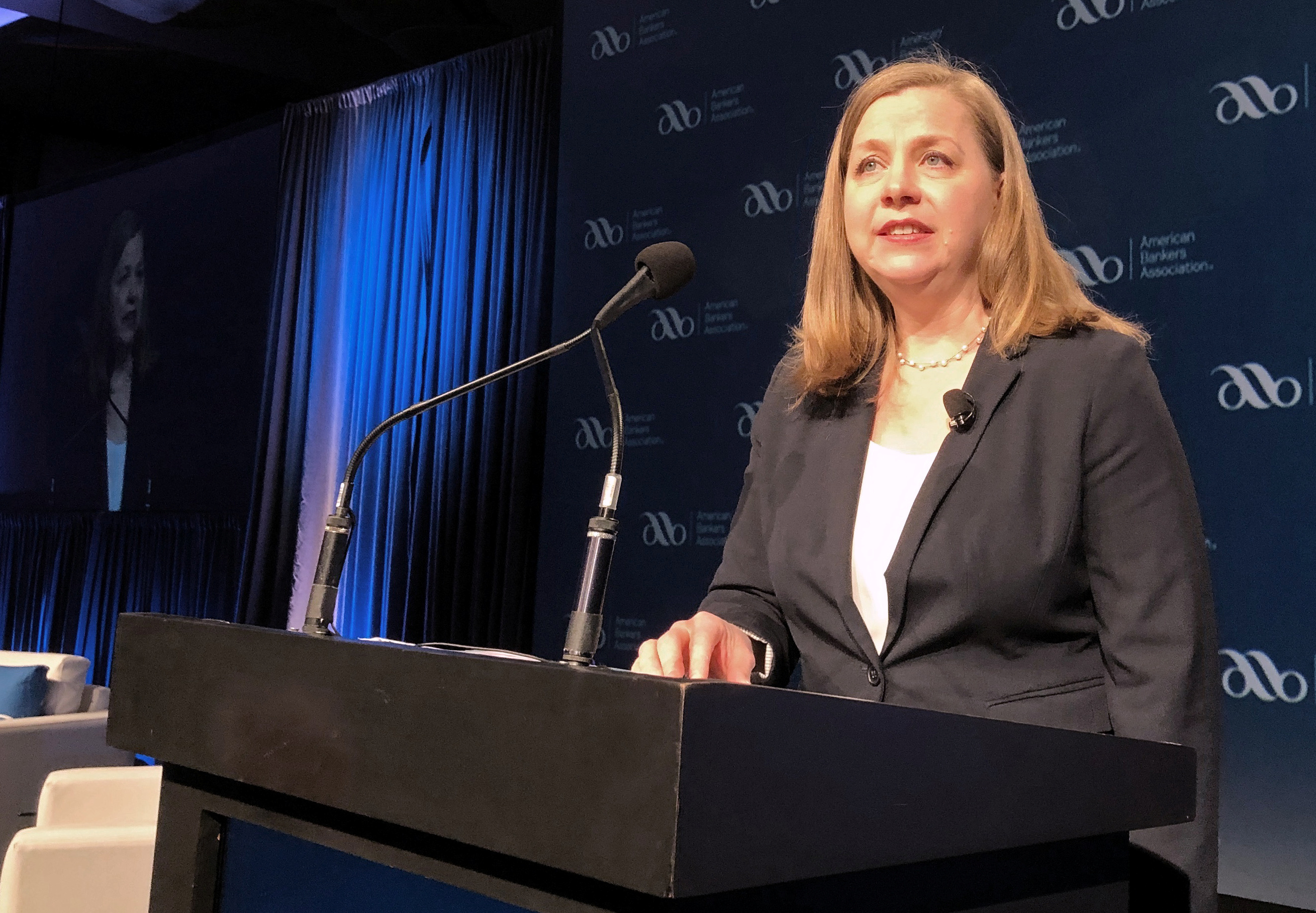
This analysis is based on Michelle Bowman’s interview on Fox Business Network’s “Mornings with Maria” broadcast on March 20, 2026 [1], which occurred one day after the Federal Reserve, FDIC, and OCC jointly unveiled sweeping plans to ease bank capital requirements under the Basel III overhaul framework [2][3].
The March 19, 2026 announcement represents a dramatic reversal from the post-2008 regulatory trajectory. The original 2023 proposals would have increased bank capital requirements by 19%, later revised to 9% [3]. Under the new proposals led by Vice Chair Bowman:
- Largest banks(Category I and II): 2.4% reduction in capital requirements [2]
- Smallest banks: 7.8% reduction in capital requirements [2]
This easing comes amid ongoing debates about the appropriate level of bank capital buffers, with Wall Street advocating for reduced requirements to enhance profitability and lending capacity, while critics warn that weakening financial safeguards creates systemic vulnerabilities [3].
Bowman’s explicit characterization of the Silicon Valley Bank collapse as “a failure of supervision and a failure of bank management” represents a significant acknowledgment from the Fed’s top banking supervisor [1]. The announcement of a new external review of the SVB failure indicates:
- The internal regulatory assessment is deemed insufficient
- There may be systemic supervisory gaps that need comprehensive examination
- The review could inform future regulatory architecture changes
The interview confirmed Bowman’s projection of three rate cuts in 2026 to support labor market growth [4], suggesting the Fed anticipates economic conditions warranting monetary policy easing. This outlook contrasts with the current economic uncertainties created by multiple risk vectors.
The convergence of multiple risk factors creates a complex landscape:
-
Private Credit Market Strains: Recent Reuters reporting indicates private credit market jitters have begun spilling onto Wall Street, with some major U.S. banks tightening lending standards [5]. This sector has grown significantly since 2008 and represents an area of heightened regulatory concern.
-
AI Investment Volatility: The interview addressed rising risks from AI investment, a sector experiencing significant market volatility and concentration risk in technology portfolios.
-
Geopolitical Tensions: Global conflicts and trade uncertainties were cited as contributing to economic instability, adding another layer of complexity to the economic outlook.
The capital easing approach, announced just as multiple risk vectors are intensifying, represents a calculated bet that:
- Banks are sufficiently capitalized to absorb potential shocks
- Economic growth will continue unimpeded
- Private credit risks can be managed without enhanced capital buffers
Critics argue this timing is problematic given the simultaneous emergence of private credit concerns and geopolitical uncertainties [3].
| Risk Category | Assessment |
|---|---|
| Supervision Gaps | Bowman’s explicit acknowledgment of “failure of supervision” signals potential ongoing regulatory vulnerabilities [1] |
| Private Credit Contagion | Market jitters have caused some banks to tighten lending, creating potential credit availability constraints [5] |
| Regulatory Easing Timing | Capital rule changes weaken financial safeguards during a period of elevated geopolitical and private credit risks [3] |
| AI Investment Exposure | Technology sector concentration risk in investment portfolios |
- Bank Profitability: Reduced capital requirements could enhance bank profitability through improved return on equity
- Lending Capacity: Freed capital may support increased lending to consumers and businesses
- Regulatory Clarity: The external SVB review could provide clearer supervisory frameworks
This event represents a pivotal moment in post-2008 banking regulation. Federal Reserve Vice Chair Michelle Bowman’s interview on March 20, 2026 confirmed three major developments:
-
Capital Requirements Overhaul: A 2.4% reduction for the largest banks and 7.8% for the smallest banks, reversing the 2023 trajectory of increased capital requirements [2].
-
SVB Accountability: A new external review of the Silicon Valley Bank failure, with Bowman’s candid acknowledgment of supervisory and management failures [1].
-
Multi-Vector Risk Exposure: Explicit recognition that private credit strains, AI investment volatility, and global tensions represent elevated risks to financial stability [5].
The timing of capital easing—coinciding with acknowledged strains in private credit markets and geopolitical uncertainties—represents a significant policy decision that maintains confidence in the banking system’s resilience while accepting elevated risk exposure.
Insights are generated using AI models and historical data for informational purposes only. They do not constitute investment advice or recommendations. Past performance is not indicative of future results.
About us: Ginlix AI is the AI Investment Copilot powered by real data, bridging advanced AI with professional financial databases to provide verifiable, truth-based answers. Please use the chat box below to ask any financial question.