S&P 500 Target at 6,100 Amid Hormuz Crisis: Analyst Maintains Defensive Stance
Unlock More Features
Login to access AI-powered analysis, deep research reports and more advanced features
About us: Ginlix AI is the AI Investment Copilot powered by real data, bridging advanced AI with professional financial databases to provide verifiable, truth-based answers. Please use the chat box below to ask any financial question.
The Seeking Alpha article published on March 20, 2026, features an analyst maintaining a
As of March 20, 2026, the S&P 500 closed at
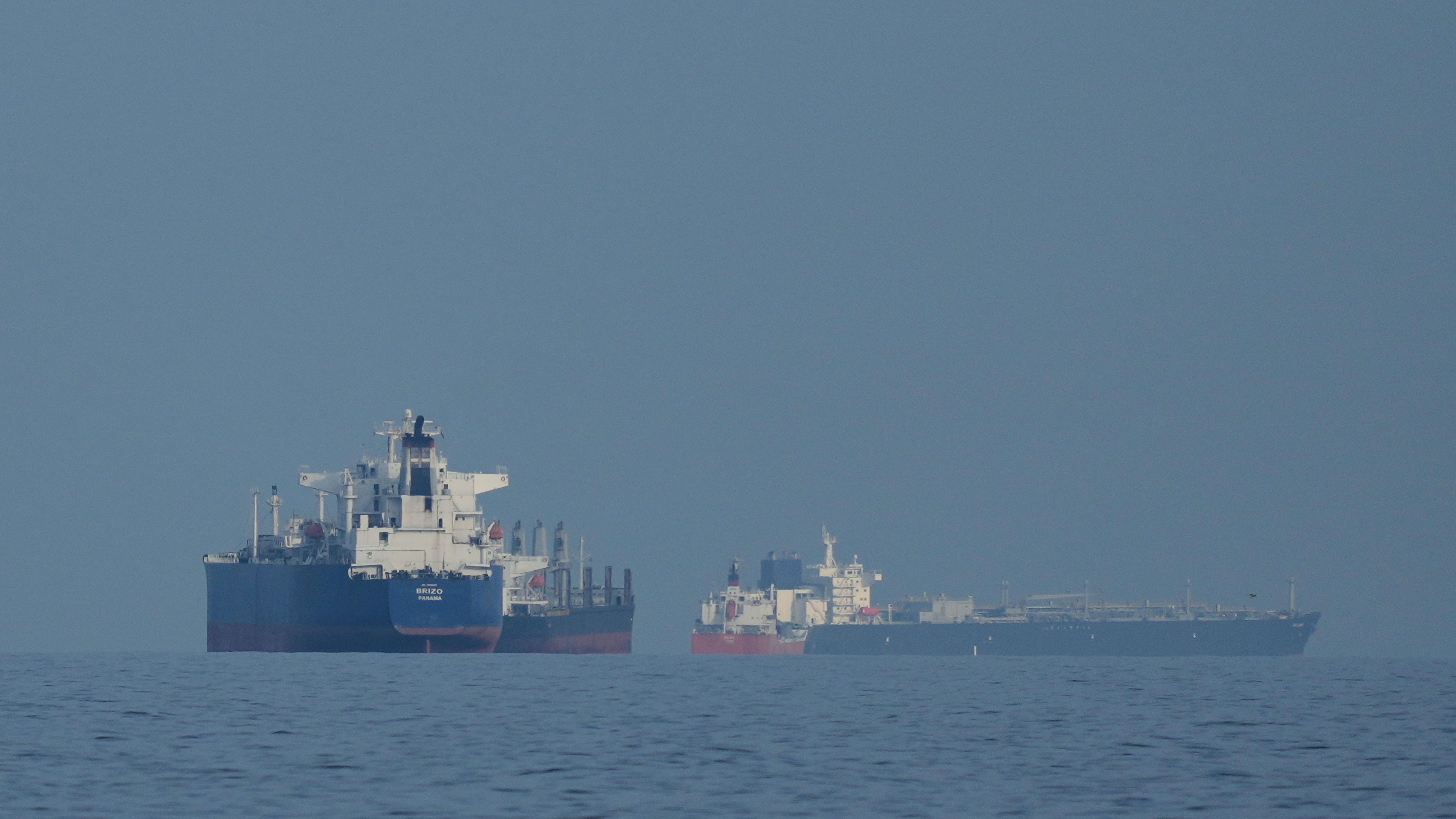
The analyst’s defensive positioning comes amid what the International Energy Agency (IEA) has characterized as the
- Normal throughput: Approximately 20 million barrels of oil passed through Hormuz daily before the conflict
- Current status: The Strait remains effectively closed
- Price impact: Brent crude surged approximately 40% to above $103-105 per barrel [2][3]
- BofA warning: Oil could exceed $200/barrel if disruptions persist for multiple months [4]
The analyst specifically notes that “oil flows will take months to normalize once the transit through Hormuz resumes” [1], suggesting that even positive developments on the shipping front would not immediately alleviate inflationary pressures.
The Federal Reserve’s March 18, 2026 policy meeting provides critical context for understanding market dynamics [5][6]:
- Rate decision: Held interest rates steady
- Forward guidance: Projected one rate cut by end of 2026
- Inflation assessment: Higher inflation projections due to energy price shocks
- Uncertainty: Fed Chair Powell characterized economic impact as “too soon to know”
The IMF has warned that a 10% increase in oil prices could lead to a 40 basis point rise in global inflation if sustained for most of the year [3]. This projection aligns with the analyst’s view that inflation will remain “front and center” through the first half of 2026.
Today’s sector performance reveals market participants’ divergent responses to the ongoing crisis [0]:
| Sector | Performance |
|---|---|
| Energy | +0.21% (only positive sector) |
| Consumer Defensive | -0.10% |
| Financial Services | -0.26% |
| Real Estate | -0.30% |
| Healthcare | -0.70% |
| Consumer Cyclical | -0.77% |
| Basic Materials | -1.03% |
| Industrials | -1.42% |
| Communication Services | -1.68% |
| Technology | -1.84% |
| Utilities | -5.05% (worst performer) |
The Energy sector’s resilience reflects ongoing concerns about supply disruptions, while the sharp decline in Utilities suggests market rotation away from defensive plays amid inflation fears—a notable shift given Utilities’ traditionally defensive nature.
The analyst’s target of 6,100 represents a synthesis of multiple interconnected factors:
- Energy-Inflation Nexus: The ~40% surge in crude prices creates immediate margin pressure across multiple sectors while threatening to translate into consumer price inflation
- Fed Policy Constraint: The Federal Reserve’s need to balance inflation containment against economic growth limits its ability to provide monetary stimulus
- Earnings Implications: Prolonged energy price elevation could compress corporate margins and dampen earnings growth—key inputs for equity valuation
The current market environment differs from typical supply shocks in several important respects:
- Simultaneous supply and geopolitical risk: Unlike past oil shocks driven primarily by supply constraints, the current situation involves significant geopolitical uncertainty that complicates resolution timeline expectations
- Global scope: The IEA’s characterization as the largest supply disruption in history underscores the worldwide implications
- Fed credibility test: The current environment presents a critical test of the Fed’s “transitory inflation” framework, with energy prices potentially forcing a policy recalibration
The analysis reveals several factors that could drive markets toward the 6,100 target:
- Prolonged Hormuz disruption(3+ months): Would sustain elevated energy prices and potentially trigger second-round inflation effects
- Fed policy tightening: Could be forced to raise rates rather than cut if inflation proves persistent
- Recession probability: BofA research has warned of rising recession risks if oil disruptions continue [4]
- Earnings deterioration: Q1 2026 corporate earnings, particularly in energy-intensive sectors, could disappoint
Conversely, several factors could support upside scenarios:
- Rapid normalizationof Hormuz oil flows could quickly reverse energy price pressures
- Earlier-than-expected Fed rate cutsif inflation proves more transitory than anticipated
- Market overshoot: The current 6,100 target may already price in significant stress, potentially creating opportunities if resolution occurs faster than expected
The window for the analyst’s base case appears concentrated on the
The analyst’s maintained S&P 500 target of 6,100 reflects a
- S&P 500 current level: 6,533.74 [0]
- Analyst target: 6,100 (6.6% downside)
- Brent crude: ~$103-105/barrel (40% surge) [2][3]
- Fed expectation: One rate cut by end-2026 [5][6]
- IEA characterization: Largest supply disruption in global oil market history [2]
This analysis is based on the Seeking Alpha report [1] published on March 20, 2026, supplemented by market data from the Ginlix Analytical Database [0] and external sources including CFR.org [2], Anadolu Agency [3], and Reuters [5][6].
Insights are generated using AI models and historical data for informational purposes only. They do not constitute investment advice or recommendations. Past performance is not indicative of future results.
About us: Ginlix AI is the AI Investment Copilot powered by real data, bridging advanced AI with professional financial databases to provide verifiable, truth-based answers. Please use the chat box below to ask any financial question.