Poland's Contrarian Monetary Policy: NBP Cuts Rates Amid Iran War Energy Shock
Unlock More Features
Login to access AI-powered analysis, deep research reports and more advanced features
About us: Ginlix AI is the AI Investment Copilot powered by real data, bridging advanced AI with professional financial databases to provide verifiable, truth-based answers. Please use the chat box below to ask any financial question.
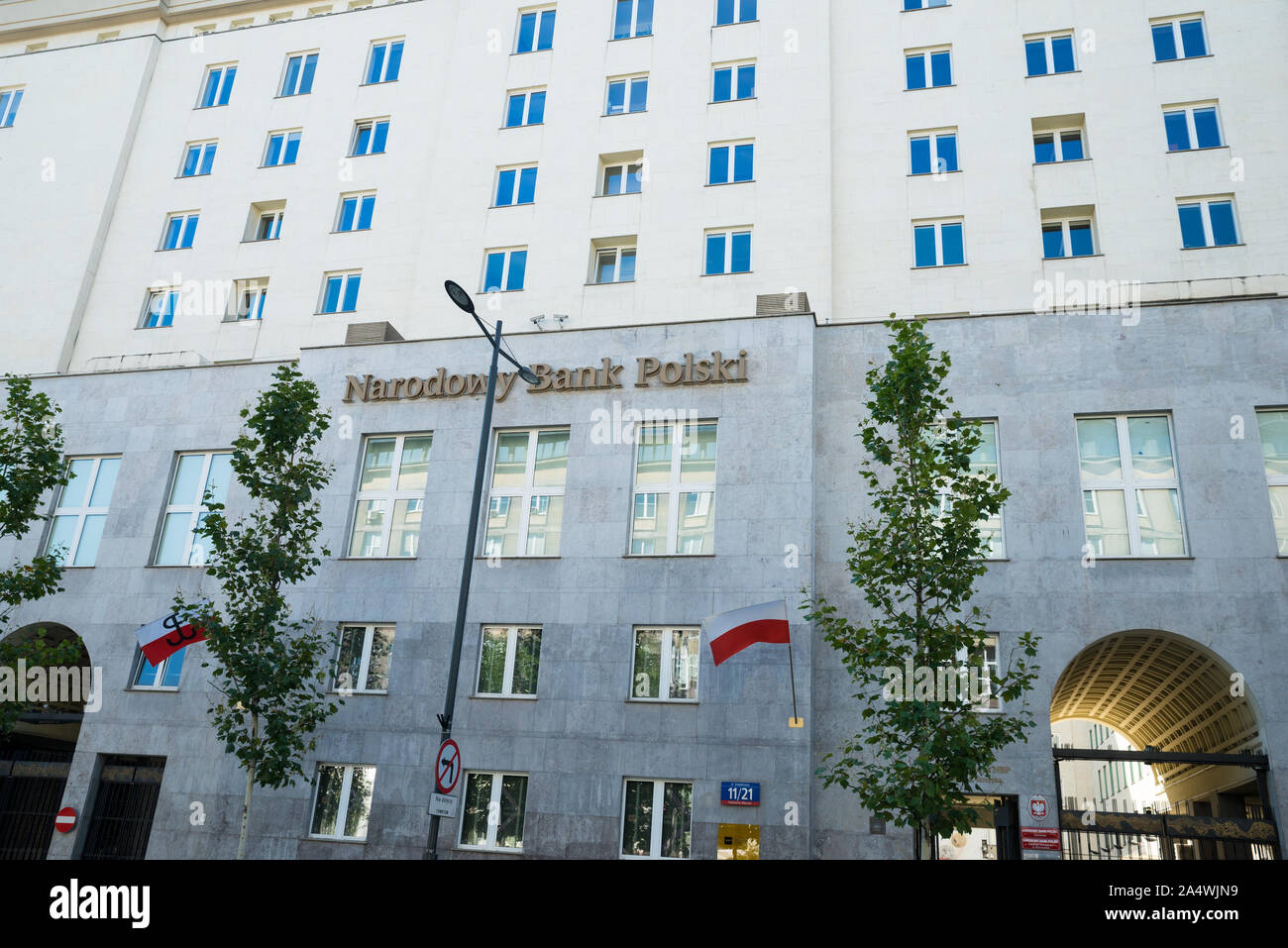
The National Bank of Poland’s decision to continue its monetary easing cycle represents a significant divergence in European central banking strategy. While the Iran war (triggered by US and Israel strikes on Iran) has caused oil prices to surge to approximately $100 per barrel and disrupted shipments through the Strait of Hormuz, Poland’s central bank maintains confidence in its inflation outlook [1][5].
This policy stance contrasts sharply with the European Central Bank’s March 19 decision to hold rates unchanged, with ECB officials warning of short-term inflation impacts from higher energy prices [3][4]. The Bank of England adopted a similarly cautious position, indicating readiness to raise rates if the energy price shock persists. Yet Poland, through Governor Adam Glapinski, has indicated it perceives itself as less vulnerable to these energy price transmissions compared to Western European economies.
The timing of this decision is notable: it occurred on March 4, 2026, with the WSJ reporting the story on March 23, 2026 [1]. This suggests the NBP made its assessment based on early projections of the Iran war’s economic impact, determining that Poland’s inflation trajectory would remain manageable despite global energy market disruptions.
Russia’s similar move on March 20, 2026—cutting its key rate to 15% despite higher oil prices—further illustrates the complex monetary policy landscape emerging in Eastern Europe [6]. Both Poland and Russia appear to believe they can weather the energy shock better than their Western counterparts, though their rationales may differ substantially.
-
Policy Divergence Consequences: The contrast between Poland’s easing stance and the ECB’s hold position could create tension within EU monetary frameworks and affect investor confidence in the złoty. Currency volatility may increase as markets price in the diverging policy paths.
-
Inflation Monitoring Required: While Governor Glapinski indicates inflation remains near target, the Iran war’s impact on energy prices could be transmitted to Poland’s economy with a lag, potentially forcing a policy reversal [1][5]. Upcoming CPI releases will be critical validation points.
-
Energy Price Exposure: Poland’s assessment that it can remain immune to the energy shock assumes stable gas and oil flows. Any disruption to Polish energy supplies would immediately challenge this outlook and could rapidly alter the inflation trajectory.
-
Banking Sector Pressure: Continued rate cuts may compress margins for Polish financial institutions, potentially affecting lending profitability and bank earnings [0].
-
Growth Support: Continued monetary easing provides structural support for Polish economic growth during a period of European economic uncertainty.
-
Competitive Positioning: Lower interest rates relative to Western Europe could attract investment and strengthen Poland’s position as a manufacturing and services hub within the EU.
-
Policy Flexibility: Maintaining an independent stance allows Poland to respond more dynamically to its specific economic conditions rather than being bound by broader European monetary policy constraints.
The National Bank of Poland’s decision to cut rates by 25 basis points to 3.75% represents the seventh reduction since May 2025, totaling 200 basis points of easing [1][2]. This occurs against the backdrop of the Iran war causing the largest oil supply disruption in history, with exports through the Strait of Hormuz significantly reduced and oil prices hovering around $100 per barrel [5].
While the ECB held rates unchanged on March 19, 2026, warning of short-term inflation impacts from higher energy prices [3][4], Poland’s Governor Glapinski has expressed confidence that inflation will remain contained near target levels. This assessment distinguishes Poland’s economic outlook from Western Europe, where energy price transmission is expected to be more pronounced.
The timing of the NBP decision (March 4) preceded the ECB’s rate meeting (March 19), suggesting Poland had already incorporated the Iran war’s early economic impacts into its projections. Upcoming inflation data releases will serve as critical validation of the NBP’s optimistic assessment, while next NBP meetings will determine whether the easing cycle continues or pauses.
Russia’s parallel rate cut to 15% on March 20, 2026—also citing continued downward trend in inflation—further illustrates the diverging monetary policy environment in Eastern Europe [6]. This creates a complex regional landscape where Poland, Russia, and Western Europe are pursuing notably different policy paths in response to the same global energy shock.
Insights are generated using AI models and historical data for informational purposes only. They do not constitute investment advice or recommendations. Past performance is not indicative of future results.
About us: Ginlix AI is the AI Investment Copilot powered by real data, bridging advanced AI with professional financial databases to provide verifiable, truth-based answers. Please use the chat box below to ask any financial question.