Trump Postpones Iran Strikes: 5-Day Diplomatic Reprieve Resets Energy Market Risks
Unlock More Features
Login to access AI-powered analysis, deep research reports and more advanced features
About us: Ginlix AI is the AI Investment Copilot powered by real data, bridging advanced AI with professional financial databases to provide verifiable, truth-based answers. Please use the chat box below to ask any financial question.
President Trump’s decision to postpone strikes on Iranian energy infrastructure represents a significant tactical shift in the escalating U.S.-Iran confrontation. The postponement, announced on March 23, 2026, came after Trump had issued a 48-hour ultimatum demanding Iran “fully open” the Strait of Hormuz to international shipping [1][2]. The decision to grant a 5-day pause followed what the administration described as “very good and productive” discussions with Iranian officials over the preceding two days [1][3].
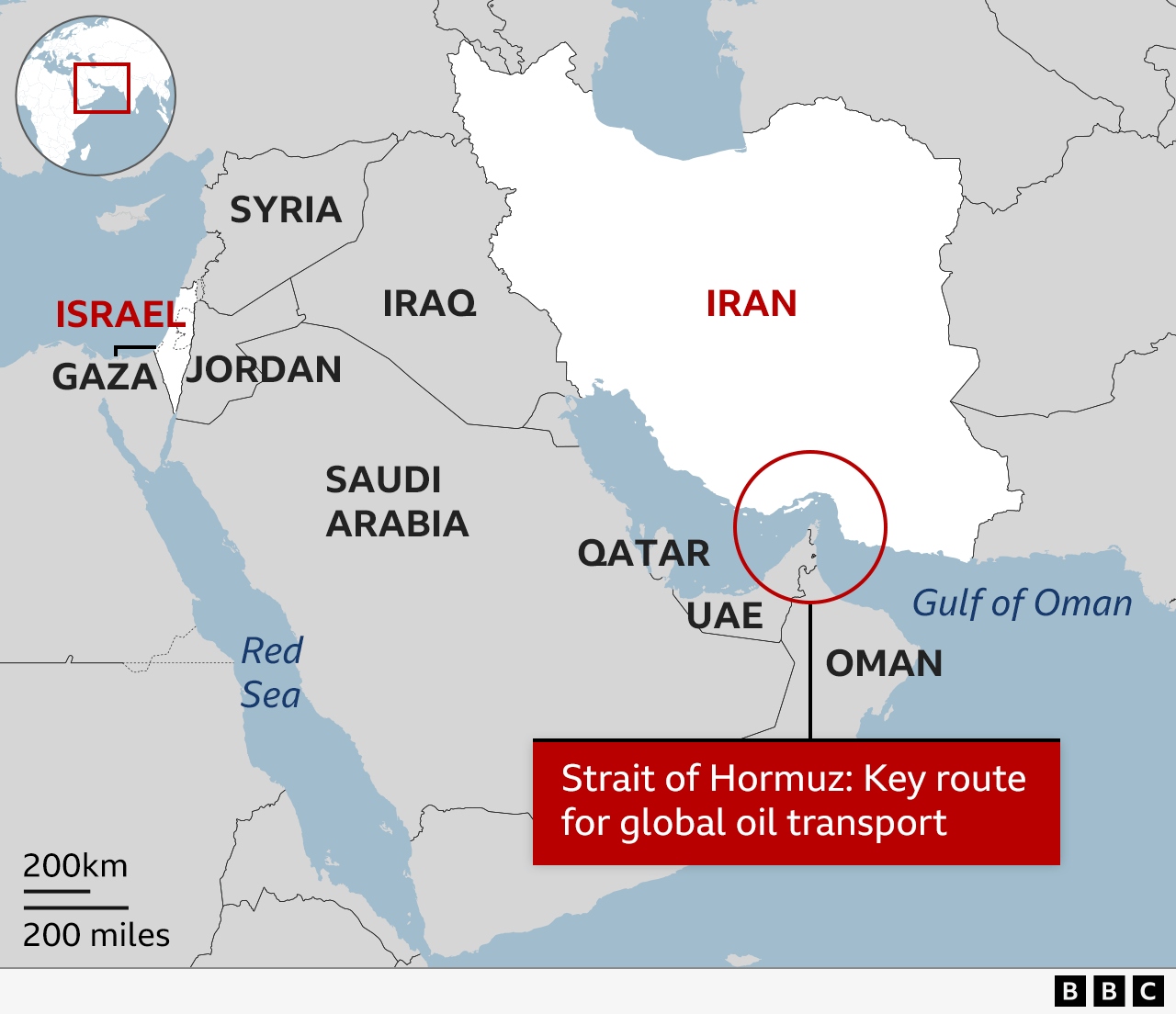
The original strike plans targeted Iranian power plants and energy infrastructure, representing a significant escalation following Iranian missile strikes on Israel and ongoing tensions in the region. The Strait of Hormuz, through which approximately 20% of global oil supplies pass, has been a central focus of the conflict, with Iran previously threatening to strike Gulf power plants and mine sea lanes if attacked [3].
Financial markets reacted swiftly to the news, with risk assets experiencing a relief rally while traditional markets showed mixed reactions:
- Cryptocurrency: Bitcoin rose significantly on the news, reflecting improved risk sentiment amid de-escalation [4]
- Asian Markets: Asian shares had dipped earlier in the week on Iran tensions but showed stabilization following the postponement [5]
- European Markets: Despite the positive news, the FTSE 100 has tumbled into correction territory, reflecting lingering concerns [5][6]
- Energy Markets: Oil prices stabilized at approximately $100/barrel but remain elevated compared to pre-conflict levels [5]
The International Energy Agency (IEA) has compared the current energy crisis to the 1970s oil shocks and the Ukraine war fallout, highlighting the systemic nature of supply disruption risks [5].
The postponement reveals several key dynamics:
- Diplomatic Window: The 5-day pause creates space for continued negotiations, though the ultimate outcome remains uncertain
- Regional Security Concerns: Iran has threatened retaliation against countries hosting U.S. military bases if attacked [3]
- Energy Security: The Strait of Hormuz remains the critical chokepoint for global oil supplies
- Central Bank Policy: Elevated energy prices could complicate monetary policy decisions amid ongoing inflation concerns
The event demonstrates clear linkages across geopolitical, energy, and financial markets:
- Geopolitical Risk ↔ Energy Prices: Tensions directly impact oil pricing through supply disruption fears
- Energy Prices ↔ Inflation: Higher oil costs feed into broader inflation pressures, affecting monetary policy
- Risk Sentiment ↔ Asset Prices: The relief rally in Bitcoin contrasts with continued weakness in traditional equity indices, suggesting divergent market assessments of the situation
The current situation differs from previous energy crises in several ways:
- Integrated Global Markets: Modern financial markets respond instantaneously to geopolitical developments
- Alternative Assets: Cryptocurrencies now function as risk-on assets, responding to geopolitical de-escalation
- Central Bank Constraints: Higher energy prices complicate already challenging inflation targeting
- Limited Time Window: The 5-day postponement is temporary, and tensions could resume sharply after the deadline [4]
- Energy Supply Disruption: Continued instability around the Strait of Hormuz threatens oil transit
- Regional Escalation: Iranian retaliation threats against Gulf states hosting U.S. military assets [3]
- Market Volatility: Despite the postponement, global markets remain under significant pressure [5][6]
- Inflationary pressures from elevated energy prices
- Potential impact on central bank policy decisions
- Continued uncertainty affecting business investment
- Diplomatic Resolution Potential: If negotiations progress, risk assets could experience sustained recovery
- Energy Market Stabilization: Resolution would stabilize oil prices, reducing input cost pressures
- Reduced Geopolitical Premium: De-escalation could lower risk premiums across asset classes
The postponement of U.S. strikes on Iranian energy infrastructure represents a temporary de-escalation in a high-stakes geopolitical confrontation. Key data points:
- Postponement Duration: 5 days
- Trigger: Productive diplomatic discussions between U.S. and Iran [1][3]
- Original Demand: Iran to “fully open” the Strait of Hormuz [2][3]
- Oil Prices: Stabilized around $100/barrel [5]
- Market Reaction: Relief rally in cryptocurrencies; mixed equity performance; FTSE 100 in correction [5][6]
The International Energy Agency has drawn comparisons to historical energy crises [5], underscoring the systemic importance of the Strait of Hormuz and the potential global economic impact of prolonged instability.
- Diplomatic developments between U.S. and Iran over the next 5 days
- Iranian response to the postponement
- Oil price movements as the deadline approaches
- Strait of Hormuz shipping status
- Central bank responses to energy-price-driven inflation pressures
This analysis synthesizes information from the original Barron’s report [1], multiple news sources [2][3][5][6], and market data [0]. The temporary nature of the postponement means conditions remain highly fluid, and all stakeholders should monitor developments closely.
Insights are generated using AI models and historical data for informational purposes only. They do not constitute investment advice or recommendations. Past performance is not indicative of future results.
About us: Ginlix AI is the AI Investment Copilot powered by real data, bridging advanced AI with professional financial databases to provide verifiable, truth-based answers. Please use the chat box below to ask any financial question.