Market Trusts Trump: Analysis of Iran Talks Announcement and Market Rally
Unlock More Features
Login to access AI-powered analysis, deep research reports and more advanced features
About us: Ginlix AI is the AI Investment Copilot powered by real data, bridging advanced AI with professional financial databases to provide verifiable, truth-based answers. Please use the chat box below to ask any financial question.
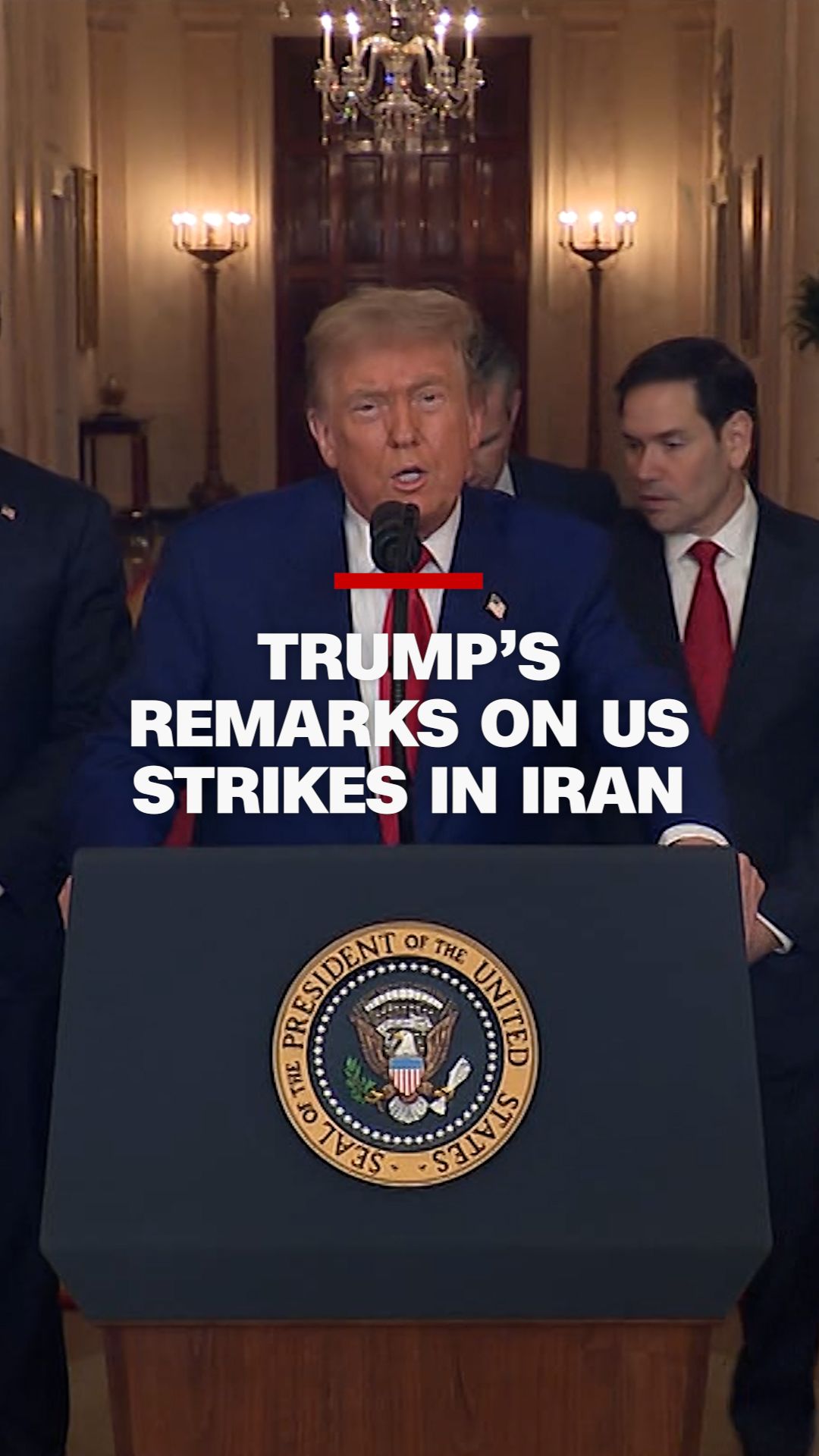
On March 23, 2026, President Trump announced via social media (Truth Social) that planned strikes on Iranian energy infrastructure would be postponed for five days, citing “very good and productive conversations” aimed at achieving a “complete and total resolution” of hostilities [1]. This announcement came amid the ongoing U.S.-Israel war on Iran, which has raised significant concerns about global oil supply disruptions due to the Strait of Hormuz blockage.
The market reaction was immediate and strongly positive. The Dow Jones Industrial Average surged approximately 1,000 points, while Brent crude oil prices fell sharply to approximately $96-$101 per barrel from around $120 earlier that week [2]. This dramatic market movement represents a significant de-escalation of Middle East war fears, at least in the short term.
However, a critical verification gap exists: Iranian officials, through multiple state-affiliated outlets including Tasnim and Fars News, explicitly denied that any direct or indirect contact with the United States had occurred [3]. This discrepancy between the U.S. administration’s claims and Tehran’s denial represents a significant information asymmetry that investors should monitor closely.
The market rally appears to be driven by several interconnected factors:
- Risk Off to Risk On Shift: The postponement of strikes reduces immediate geopolitical risk, prompting a rotation from safe-haven assets to risk assets
- Oil Supply Relief: Lower oil prices reflect expectations of resumed Strait of Hormuz operations, potentially easing global energy supply concerns
- Confidence in Diplomatic Resolution: The Seeking Alpha analysis suggests the market’s positive reaction indicates trust in the Trump administration’s diplomatic capabilities [4]
The causal chain can be summarized as: Trump Announcement → Market Interpretation of De-escalation → Risk Asset Rally → Oil Price Decline → Broader Market Optimism
This event follows a pattern observed in previous geopolitical flashpoints where:
- Initial tensions cause market volatility
- Diplomatic overtures trigger sharp reversals
- Verification delays create information gaps
- Short-term relief may not translate to sustainable resolution
The 5-day pause creates a temporary window for risk assets, but historical patterns suggest that unverified diplomatic claims can produce volatile reversals when reality differs from market expectations.
The correlation between geopolitical de-escalation signals and equity market performance was clearly demonstrated in this event. The energy sector, typically most sensitive to Middle East tensions, showed the most dramatic response, with oil prices declining by approximately 15-20% from weekly highs.
The U.S. dollar also likely played a role, as reduced geopolitical risk typically weakens safe-haven demand for the dollar, further supporting risk asset valuations.
- Market Confidence Signal: The sharp rally despite Iranian denials suggests markets are pricing in the possibility of successful diplomacy rather than requiring immediate verification
- Administration Credibility: The disconnect between U.S. and Iranian statements creates a credibility question that could affect long-term diplomatic leverage
- Investor Psychology: The event reveals a market preference for diplomatic solutions over military confrontation, even when such solutions remain unconfirmed
The immediate market reaction demonstrates how geopolitical developments in major oil-producing regions can create rapid asset reallocation. The roughly 15-20% decline in oil prices within days represents a significant systemic shock that affects:
- Energy sector equity valuations
- Inflation expectations
- Central bank policy considerations
- Global supply chain cost structures
The 5-day deadline (March 28, 2026) represents a critical inflection point. Markets will likely experience heightened volatility as this deadline approaches, regardless of the outcome.
This analysis synthesizes findings from multiple analytical dimensions:
The event demonstrates the market’s preference for diplomatic solutions and suggests underlying confidence in the Trump administration’s approach to international conflicts, though the verification gap between U.S. claims and Iranian denials warrants continued monitoring.
Insights are generated using AI models and historical data for informational purposes only. They do not constitute investment advice or recommendations. Past performance is not indicative of future results.
About us: Ginlix AI is the AI Investment Copilot powered by real data, bridging advanced AI with professional financial databases to provide verifiable, truth-based answers. Please use the chat box below to ask any financial question.