US-Iran Diplomatic Talks Resume Triggering Massive Commodity Market Volatility
Unlock More Features
Login to access AI-powered analysis, deep research reports and more advanced features
About us: Ginlix AI is the AI Investment Copilot powered by real data, bridging advanced AI with professional financial databases to provide verifiable, truth-based answers. Please use the chat box below to ask any financial question.
Related Stocks
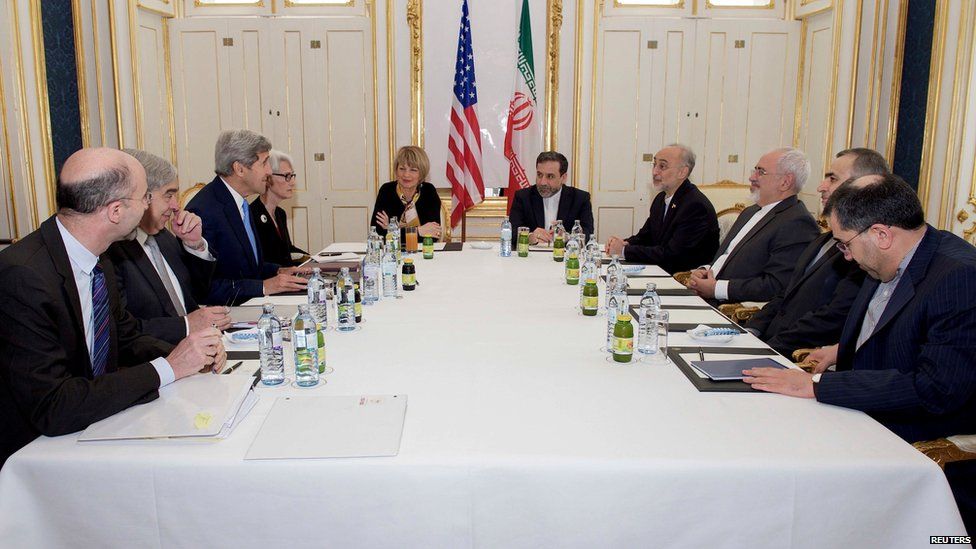
The resumption of US-Iran diplomatic discussions represents a significant shift in Middle East geopolitics, with immediate and pronounced effects on global commodity markets. President Trump’s announcement on Truth Social regarding “productive conversations” with Iranian officials marked the first direct engagement since late February, when tensions had escalated to the point of threatened military strikes on Iranian energy infrastructure [1].
The market reaction was immediate and severe. WTI crude oil futures experienced a dramatic collapse, tumbling from prices above $100 per barrel at the Globex open to levels not seen since March 11, settling around $88.81—a decline of 9.59% [0]. This represents one of the most significant single-day drops in recent memory for crude oil, reflecting market reassessment of supply disruption risks that had previously supported elevated prices. The trading range of $84.37 to $101.67 demonstrates the extreme volatility characterizing the session.
Gold markets, which had benefited from safe-haven demand amid earlier Iran tensions, experienced a parallel reversal. The precious metal fell 4.10% to approximately $4,387.40 per ounce, continuing a nine-session decline that has erased significant portion of the gains made during the geopolitical escalation period [2]. The commodity’s retreat reflects the market’s reassessment of risk premiums that had previously driven prices toward the $4,000 milestone referenced in the article headline.
The simultaneous decline in both oil and gold—a unusual market configuration—suggests that the primary driver is the de-escalation of geopolitical risk rather than traditional commodity-specific fundamentals. When safe-haven assets and risk-sensitive commodities both decline, it typically indicates that market participants are reducing risk premiums embedded across asset classes following improved geopolitical outlook.
-
Diplomatic Uncertainty: The gap between President Trump’s characterization of “productive talks” and verifiable confirmation from Iranian sources creates significant uncertainty. Markets may experience additional volatility as details emerge or fail to materialize.
-
Geopolitical Reversal Potential: The threat of military action against Iranian facilities has not been permanently withdrawn but merely postponed. Should negotiations falter, rapid price re-escalation could occur.
-
Strait of Hormuz Risk: The strategic shipping lane remains a potential flashpoint. Even with diplomatic engagement, any perceived provocation could trigger renewed supply disruption concerns.
-
Commodity Sector Equity Volatility: Energy stocks and related equities experienced significant intraday volatility, creating challenges for portfolio management and risk control.
-
Reduced Inflation Premium: Lower oil prices provide temporary relief from energy-driven inflation pressures, potentially supporting more accommodative monetary policy.
-
Geopolitical Risk Premium Adjustment: The market’s correction from elevated risk premiums may present buying opportunities for investors who maintain longer-term positive views on commodity markets.
-
Volatility Trading: The extreme intraday swings create opportunities for options strategies designed to capitalize on elevated volatility.
The resumption of US-Iran diplomatic discussions represents a pivotal development in ongoing Middle East tensions, with immediate implications for global commodity markets. WTI crude oil futures collapsed 9.59% to settle around $88.81 per barrel after trading as high as $101.67 during the session [0]. Gold futures declined 4.10% to approximately $4,387.40 per ounce, continuing a nine-session downward trend that has brought prices well below earlier peaks near $4,000 [2].
President Trump’s announcement on Truth Social characterized US-Iran discussions as focused on “a complete and total resolution of our hostilities in the Middle East,” with the President noting postponement of previously threatened attacks on Iranian power plants [1]. However, verification of substantive negotiations remains limited, with analysts questioning whether meaningful progress has actually occurred [3].
The simultaneous decline in both oil and gold reflects market reduction of geopolitical risk premiums rather than commodity-specific fundamentals. This unusual correlation suggests traders are recalibrating risk across asset classes based on the diplomatic development rather than traditional supply-demand dynamics.
Key monitoring areas include: verification of actual US-Iran diplomatic engagement, EIA weekly inventory data for supply indicators, equity market reaction in energy sectors, potential statements from OPEC or IEA regarding supply outlook, and Federal Reserve commentary on energy-driven inflation dynamics.
Insights are generated using AI models and historical data for informational purposes only. They do not constitute investment advice or recommendations. Past performance is not indicative of future results.
About us: Ginlix AI is the AI Investment Copilot powered by real data, bridging advanced AI with professional financial databases to provide verifiable, truth-based answers. Please use the chat box below to ask any financial question.