Labor Market Reality Check: Reddit's 311K Job Loss Claim vs. Official Data
Unlock More Features
Login to access AI-powered analysis, deep research reports and more advanced features
About us: Ginlix AI is the AI Investment Copilot powered by real data, bridging advanced AI with professional financial databases to provide verifiable, truth-based answers. Please use the chat box below to ask any financial question.
The Reddit post argues that official payroll data masks a deteriorating labor market, claiming net losses of ~311K jobs/month when accounting for QCEW benchmark revisions and tariff impacts. The author contends underlying PCE inflation is closer to 2.4% rather than the official 2.9%, justifying Fed rate cuts despite Powell’s cautious stance.
Key Reddit community insights include:
- Slightly-Blastednotes that current rate cuts primarily fund AI R&D for automation rather than team expansion, as companies prefer AI over hiring due to cost benefits
- Respectful_Word7036criticizes the calculations for extrapolating lagging QCEW data forward and converting spending power losses directly to job losses
- notreallydeepdisputes the core assumptions, stating the ‘if’ extrapolation is weak and conflating wage-equivalent losses with actual job losses is misleading
- Murky_Estimate1484warns tariffs force job cuts or risk market crashes, noting the economy can’t return to 1950s-80s manufacturing without robotics
- VendettaKarmaclaims inflation data is manipulated and markets are detached from reality
- -Mage-Knight-argues rate cuts to counter Trump’s policies would be less effective than stopping the policies themselves
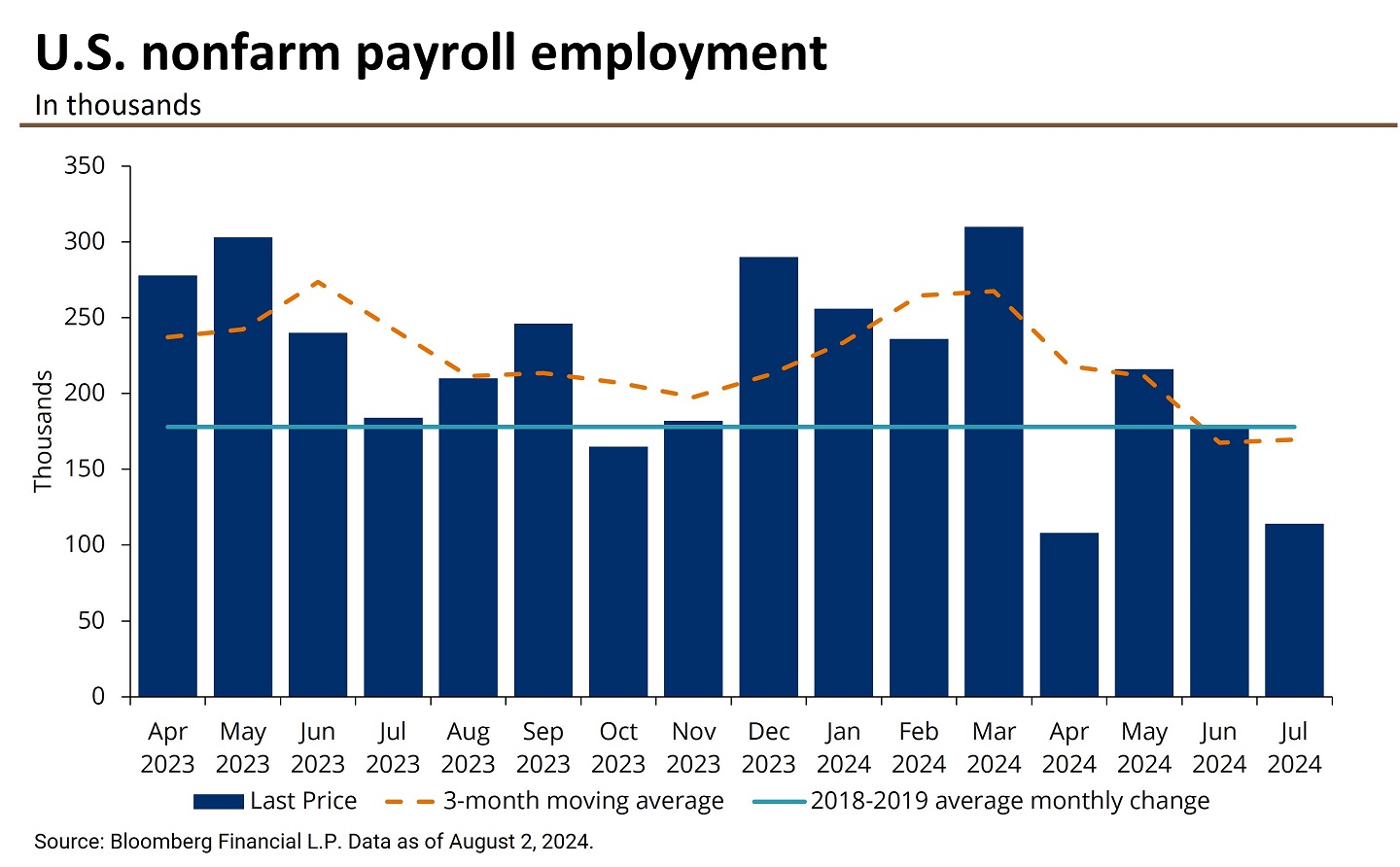
- BLS released preliminary benchmark revisions on September 9, 2025, showing 911,000 fewer jobs than initially reported for the 12 months through March 2025
- The revision reduced average monthly job growth from 147,000 to approximately 71,000 jobs per month
- This represents the largest downward revision since at least 2000, at 0.6% of total nonfarm employment
- Private sector jobs were revised down by 880,000, while government jobs were revised down by 31,000
- The steepest downward revisions occurred in leisure and hospitality (-176K), professional and business services (-158K), retail trade (-126.2K), and wholesale trade (-110.3K)
- Core PCE inflation (excluding food and energy) was officially 2.9% in September 2024
- Bank of America analysis suggests tariffs added approximately 0.5 percentage points to core PCE
- Without tariffs, core PCE might have been closer to 2.4% according to this analysis
- The official reported figure from government sources remains 2.9%
- Overreliance on exaggerated job loss claims could lead to poor investment timing
- Tariff impacts on inflation may be understated in official data
- Labor market weakness could be deeper than current revisions show if future adjustments follow similar patterns
- AI automation beneficiaries may see accelerated adoption as companies substitute technology for labor
- Sectors with steep downward revisions (leisure/hospitality, professional services) may present value opportunities if fundamentals remain sound
- Inflation-sensitive sectors could benefit if tariff pressures ease
Insights are generated using AI models and historical data for informational purposes only. They do not constitute investment advice or recommendations. Past performance is not indicative of future results.
About us: Ginlix AI is the AI Investment Copilot powered by real data, bridging advanced AI with professional financial databases to provide verifiable, truth-based answers. Please use the chat box below to ask any financial question.