Nasdaq Drops 500+ Points as Iran Rejects Ceasefire; Fear & Greed Index Stays in Extreme Fear Zone
Unlock More Features
Login to access AI-powered analysis, deep research reports and more advanced features
About us: Ginlix AI is the AI Investment Copilot powered by real data, bridging advanced AI with professional financial databases to provide verifiable, truth-based answers. Please use the chat box below to ask any financial question.
Related Stocks
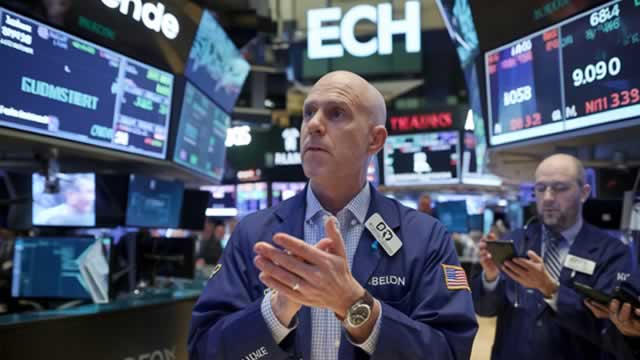
The U.S. equity markets experienced a significant selloff on March 27, 2026, driven by escalating geopolitical tensions in the Middle East. Iran’s rejection of ceasefire proposals triggered a sharp risk-off move across markets, with the technology-heavy Nasdaq Composite bearing the brunt of the decline [1].
The CNN Money Fear & Greed Index, a key sentiment indicator measuring investor psychology across seven market factors, showed some increase in overall fear levels while remaining firmly entrenched in the “Extreme Fear” zone - a level historically associated with elevated volatility and heightened market stress [1].
According to market data for March 26, 2026 (the trading day preceding this event), the major indices exhibited 以下表现 [0]:
| Index | Close | Daily Change |
|---|---|---|
| Nasdaq Composite | 21,408.08 | -1.31% |
| S&P 500 | 6,477.17 | -1.20% |
| Dow Jones | 45,960.12 | -0.83% |
The Nasdaq Composite opened at 21,693.17, reached a high of 21,823.58, and dipped to a low of 21,395.77 before closing at 21,408.08 - representing an intraday decline of approximately 415 points from the session high. The headline reference to “over 500 points” likely reflects the drop from the previous day’s close or the full peak-to-trough movement [0][1].
Trading volumes were elevated at 6.39 billion shares for Nasdaq and 4.85 billion for S&P 500, confirming strong participation in the selloff [0].
The market decline comes amid heightened Middle East tensions following Iran’s refusal to accept ceasefire proposals. This geopolitical development adds to existing concerns about energy supply disruptions, regional escalation, and broader economic implications. The conflict’s potential to widen has prompted investors to reassess risk assets and rotate into safe-haven positions [1].
The CNN Fear & Greed Index’s continued residence in “Extreme Fear” territory carries significant analytical weight. Historically, readings in this zone have correlated with:
- Elevated market volatility
- Increased likelihood of capitulation selling
- Potential bottom-fishing opportunities for contrarian investors
- heightened VIX volatility index readings
The persistence of extreme fear, rather than a quick recovery, suggests market participants expect continued uncertainty or further negative developments.
The disproportionate impact on Nasdaq (down ~1.3%) relative to Dow Jones (down ~0.83%) indicates a classic risk-off rotation away from growth and technology exposures. This pattern is consistent with:
- Flight from high-beta equities
- Rotation into defensive sectors
- Increased demand for safe-haven assets (U.S. Treasuries, gold)
- Potential support for U.S. dollar as a funding currency
The elevated trading volumes across both Nasdaq (6.39B) and S&P 500 (4.85B) confirm broad-based participation in the move, rather than a narrow selloff. High-volume declines typically signal more sustainable trend changes compared to low-volume moves that can reverse quickly.
-
Geopolitical Escalation Risk: Further widening of the Middle East conflict could extend market weakness and introduce additional uncertainty into the economic outlook.
-
Energy Price Volatility: Middle East tensions historically impact oil markets, with potential knock-on effects for inflation expectations and Federal Reserve policy considerations.
-
Extended Fear Sentiment: The “Extreme Fear” zone, while potentially forming a contrarian indicator, can persist longer than expected during genuine crises.
-
Information Verification: Specific details regarding Iran’s ceasefire rejection and potential diplomatic alternatives remain subject to confirmation from secondary sources.
-
Contrarian Entry Points: Extreme fear readings have historically preceded recovery moves in multiple instances, though timing remains challenging.
-
Sector Dislocation: Technology and growth stocks experiencing disproportionate declines may offer attractive valuations if the geopolitical situation stabilizes.
-
Volatility Instruments: Elevated VIX readings create opportunities for volatility-based strategies aimed at capturing mean-reversion moves.
The March 27, 2026 market selloff represents a significant geopolitical risk event with clear market repercussions. Key takeaways include:
- Nasdaq Composite declined approximately 500+ points (1.3%+) amid Iran ceasefire rejection
- CNN Fear & Greed Index remained in “Extreme Fear” zone, indicating persistent market anxiety
- S&P 500 fell 1.20% and Dow Jones declined 0.83% in broad-based risk-off move
- Trading volumes were elevated at 6.39B (Nasdaq) and 4.85B (S&P 500), confirming broad participation
- Market participants should monitor diplomatic developments, energy prices, and VIX readings for directional cues
The event highlights the continued influence of geopolitical factors on market sentiment and the importance of sentiment indicators in assessing overall market risk exposure.
Insights are generated using AI models and historical data for informational purposes only. They do not constitute investment advice or recommendations. Past performance is not indicative of future results.
About us: Ginlix AI is the AI Investment Copilot powered by real data, bridging advanced AI with professional financial databases to provide verifiable, truth-based answers. Please use the chat box below to ask any financial question.