Reddit Discussion Analysis: Forex-to-Futures Transition & Supply/Demand Strategy Feedback
Unlock More Features
Login to access AI-powered analysis, deep research reports and more advanced features
About us: Ginlix AI is the AI Investment Copilot powered by real data, bridging advanced AI with professional financial databases to provide verifiable, truth-based answers. Please use the chat box below to ask any financial question.
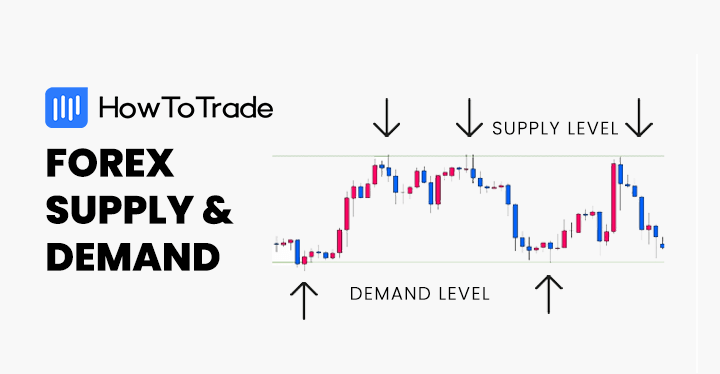
The analysis focuses on a trader transitioning from forex to futures, seeking feedback on their S&D strategy with a fixed 1:2 risk/reward ratio. Commenters highlight that higher timeframes (e.g.,15-minute charts) filter noise, reduce overtrading, and improve trend focus [0][8]. S&D strategies apply to both markets but require adaptation—futures have standardized exchange pricing and carrying costs, unlike forex’s decentralized model [1][2]. Dynamic take-profit targets using confluence (combining static pivot points and dynamic indicators like moving averages or Fibonacci levels) increase signal reliability [3][4]. Aligning trading bias with historical data (instead of intuition) mitigates emotional mistakes [5][6]. A fixed1:2 ratio needs a33.3% win rate to break even; higher ratios (1:3+) lower this to25% [7].
Cross-domain connections reveal that futures’ market structure (centralized pricing, carrying costs) necessitates adjusting S&D zone identification from forex practices [1][2]. Combining higher timeframes with confluence targets not only reduces stress but also enables higher R-multiples, improving profitability even with fewer wins [0][3][7]. Quantifying bias via mechanical rules (e.g., checklists) addresses behavioral biases like status quo, leading to consistent results [5][6].
Critical takeaways for the transitioning trader:
- Adapt S&D zones to futures’ standardized pricing and carrying costs [1][2].
- Use higher timeframes (15min+) to filter noise and reduce stress [0][8].
- Implement dynamic take-profit targets using2-3 non-correlated indicators (e.g., MA + Fibonacci + volume) [3][4].
- Quantify trading bias with historical data to avoid emotional decisions [5][6].
- Aim for risk/reward ratios of1:3+ to lower required win rates [7].
Insights are generated using AI models and historical data for informational purposes only. They do not constitute investment advice or recommendations. Past performance is not indicative of future results.
About us: Ginlix AI is the AI Investment Copilot powered by real data, bridging advanced AI with professional financial databases to provide verifiable, truth-based answers. Please use the chat box below to ask any financial question.