
Case Study: Fear & Greed Index Adaptive DCA vs Regular DCA for S&P500 ETFs
Unlock More Features
Login to access AI-powered analysis, deep research reports and more advanced features
About us: Ginlix AI is the AI Investment Copilot powered by real data, bridging advanced AI with professional financial databases to provide verifiable, truth-based answers. Please use the chat box below to ask any financial question.
Related Stocks
This analysis compares two investment strategies for S&P500 ETFs (SPY) over the period 2011–2025:
- Regular Monthly DCA: Fixed $100 monthly contribution regardless of market sentiment.
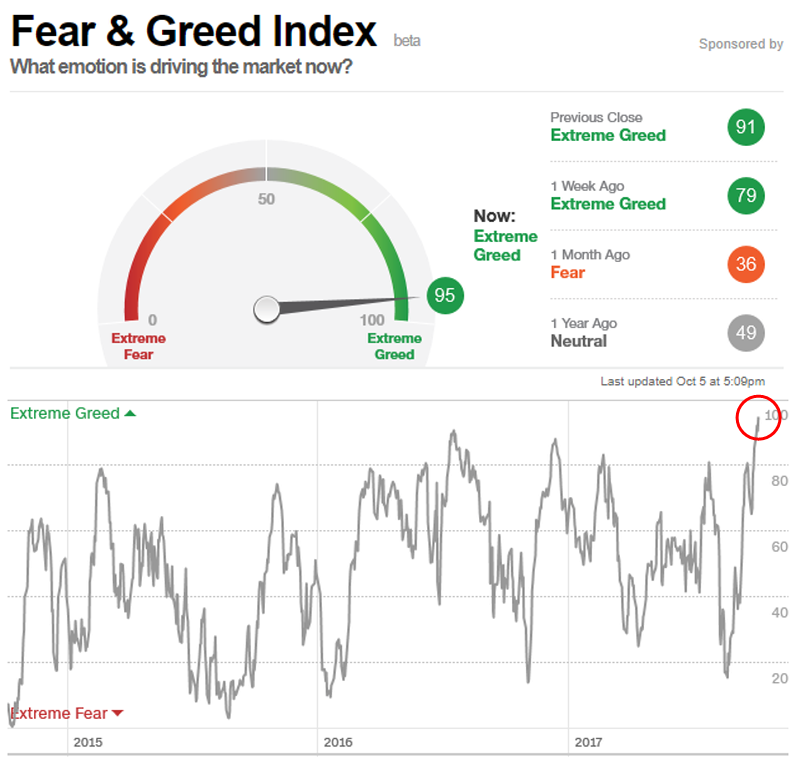
- Adaptive DCA: Variable contributions based on CNN’s Fear & Greed Index (0=extreme fear,100=extreme greed):
- $150 at extreme fear (<20), $100 at neutral (20–80), $25 at extreme greed (>80).
Data sources include Code Meets Capital [1], Medium [2], and CNN Business [3]. Performance metrics: ROI, average cost per share, Sharpe ratio.
Results show adaptive DCA outperformed regular DCA with same total contribution ($8,400 over7 years):
- Adaptive DCA: Final value $23,892 (184.2% ROI) vs regular DCA: $18,873 (124.8% ROI) [2].
- Extreme fear purchases yielded median3-year returns of28.7% [1], e.g., March2020 (index=4) gave65% return in12 months [1].
- Adaptive DCA had lower average cost ($325 vs $372) and higher Sharpe ratio (1.62 vs1.24) [1,2].
- Extreme Fear as Reliable Buy Signal:85% of extreme fear periods (2011–2025) coincided with SPY lows [1]. Short-term volatility (up to15% in3 months) is offset by long-term gains [1].
- Extreme Greed Not a Sell Signal: Only12% of extreme greed periods preceded crashes; most occurred during bull runs [1].
- Emotional Resilience Critical: Extreme fear periods have negative news, but patience is needed for long-term gains [1].
- Data bias:2011–2025 data lacks major crises like2008/dot-com bubble [1].
- Overlapping data points may inflate statistical significance [1].
- Requires daily monitoring of Fear & Greed Index [3].
- Adaptive DCA offers higher ROI and risk-adjusted returns for investors with3+ year horizon [1,2].
- Adjusting contributions based on sentiment reduces average cost [1].
- Adaptive DCA using Fear & Greed Index outperformed regular DCA by47% (184.2% vs 124.8% ROI) with same total contribution [2].
- Extreme fear purchases had median3-year returns of28.7% [1].
- Adaptive DCA’s Sharpe ratio (1.62) was higher than regular DCA (1.24) [2].
- Limitations include data period bias and need for real-time sentiment monitoring [1,3].
Insights are generated using AI models and historical data for informational purposes only. They do not constitute investment advice or recommendations. Past performance is not indicative of future results.
About us: Ginlix AI is the AI Investment Copilot powered by real data, bridging advanced AI with professional financial databases to provide verifiable, truth-based answers. Please use the chat box below to ask any financial question.