Google TPU vs NVIDIA GPU: Analysis of AI Chip Competition Landscape and Investment Opportunities
Unlock More Features
Login to access AI-powered analysis, deep research reports and more advanced features
About us: Ginlix AI is the AI Investment Copilot powered by real data, bridging advanced AI with professional financial databases to provide verifiable, truth-based answers. Please use the chat box below to ask any financial question.
Related Stocks
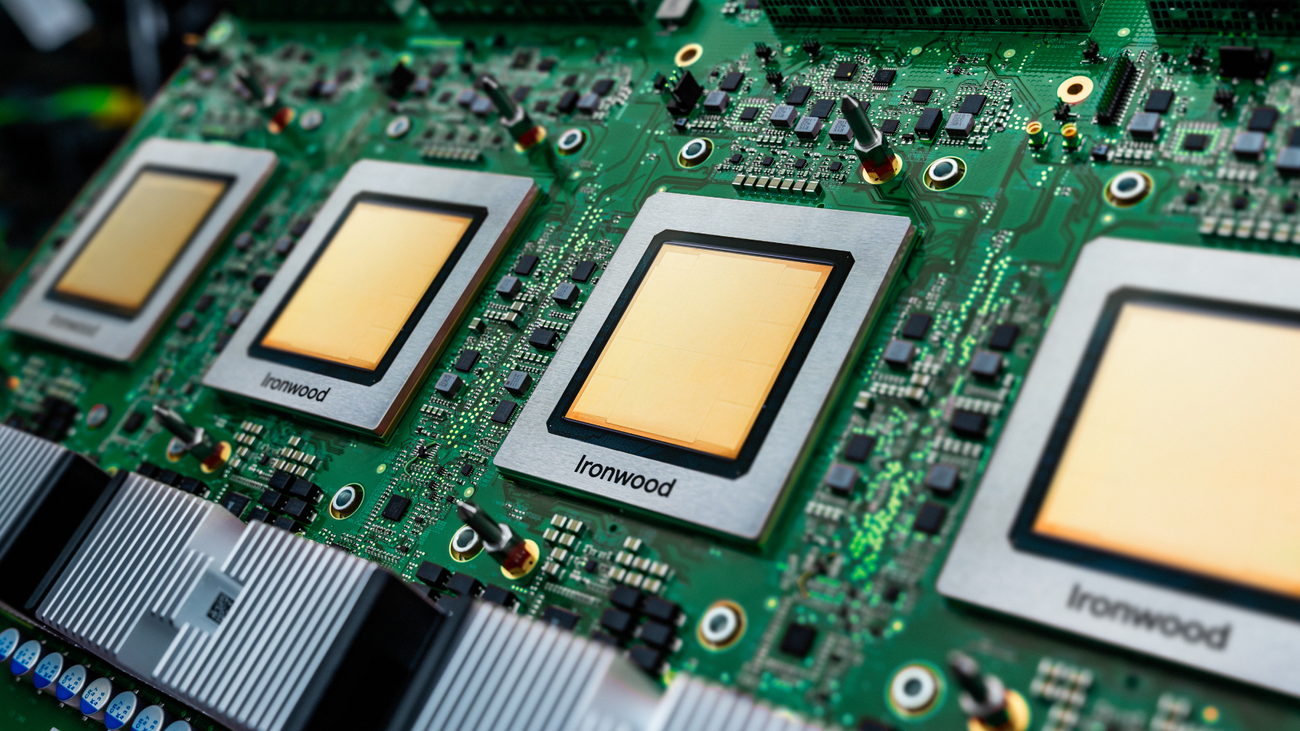
According to Ginlix Analytical Database: NVIDIA holds about 80% share in the AI accelerator market; Google TPU v7 Ironwood has a peak performance of 4614 TFLOP/s, and its speed in neural network tasks is 2.5-4 times that of GPUs, with per-dollar performance 1.2-1.7 times better than GPUs.
According to Sina Finance: The AI accelerator market size is expected to reach $140.55 billion in 2025 and exceed $440.3 billion in 2030, with a CAGR of 25%; it is estimated that the total ASIC shipments of overseas AI giants may surpass NVIDIA GPUs in 2026.
Reddit user: Google TPU+OCS architecture has advantages in computing power infrastructure, but still relies on NVIDIA GPUs (due to flexibility needs); Anthropic’s 1 million TPU agreement validates demand, and is optimistic about the computing power supply chain (optical module LITE, domestic Xuchuang/Shenghong) and NAND flash memory.
Xueqiu user: Gemini3.0’s text-to-image function refutes the AI bubble theory, but TPU is only applicable to Google’s closed technology stack and does not support CUDA; NVIDIA builds computing backbone networks for other companies; recommends US stocks LITE (optical chip) and NAND flash memory (SanDisk).
Both research and social media recognize Google TPU’s technical and cost advantages, but consistently point out NVIDIA’s CUDA ecosystem’s moat effect; both believe that under the explosion of computing power demand, the supply chain (optical modules, NAND) and energy infrastructure are core investment opportunities, while low-bargaining-power software companies face negative impacts. Google’s closed technology stack limits the popularization of TPU, and NVIDIA still dominates the third-party market, forming a differentiated competition pattern.
Insights are generated using AI models and historical data for informational purposes only. They do not constitute investment advice or recommendations. Past performance is not indicative of future results.
About us: Ginlix AI is the AI Investment Copilot powered by real data, bridging advanced AI with professional financial databases to provide verifiable, truth-based answers. Please use the chat box below to ask any financial question.