OpenAI Faces Competitive Headwinds from Google's Gemini3 Amid Financial Sustainability Concerns
Unlock More Features
Login to access AI-powered analysis, deep research reports and more advanced features
About us: Ginlix AI is the AI Investment Copilot powered by real data, bridging advanced AI with professional financial databases to provide verifiable, truth-based answers. Please use the chat box below to ask any financial question.
Related Stocks
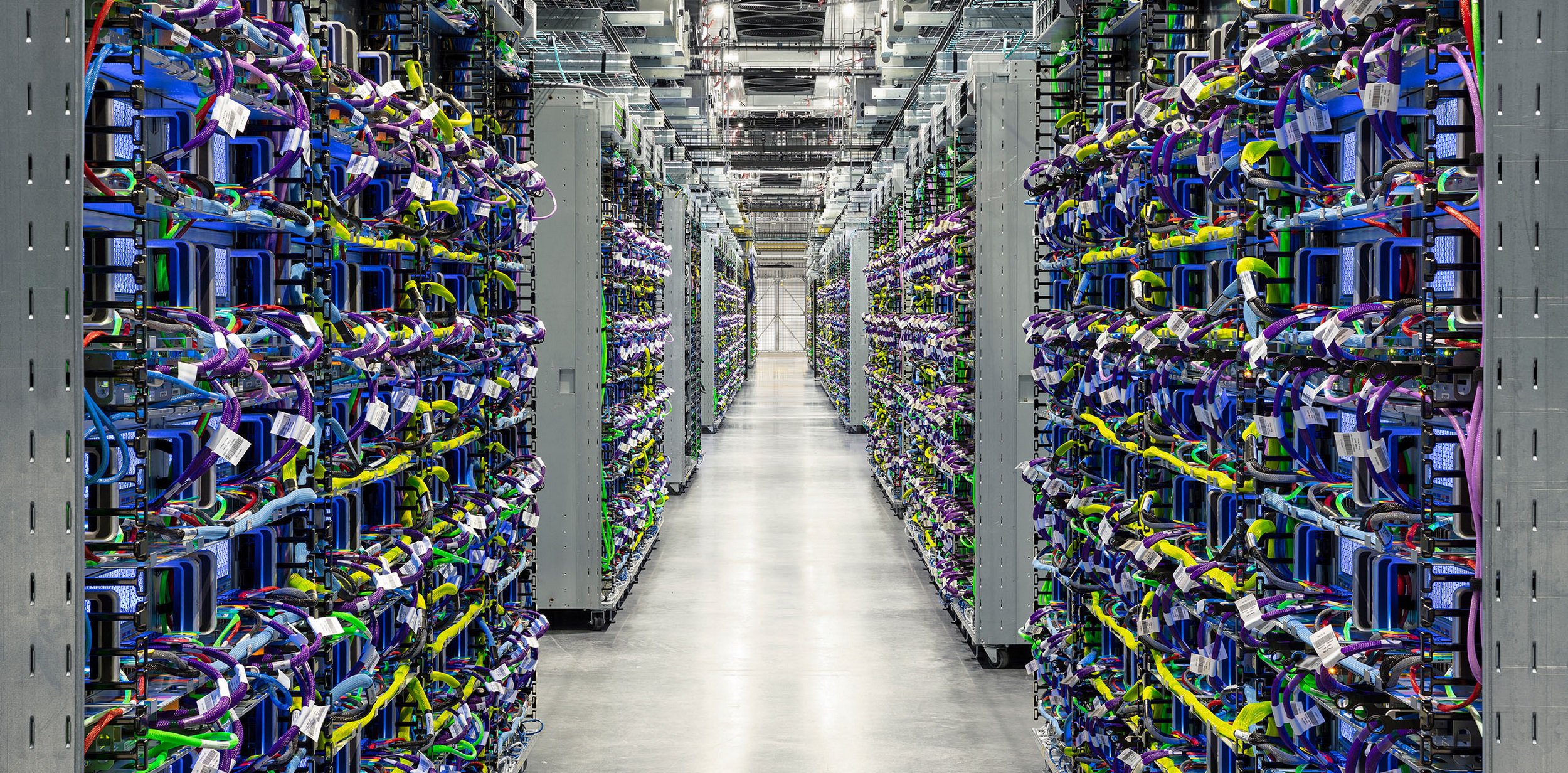
OpenAI CEO Sam Altman warned of “temporary economic headwinds” from Google’s Gemini3 in an internal memo, highlighting competitive pressures from Google’s resurgent AI progress [14][15]. Google’s vertically integrated infrastructure—including custom Ironwood TPUs (30x more efficient than first-gen Cloud TPUs)—gives it a 4-6x cost advantage over OpenAI, which relies on NVIDIA GPUs [1][2]. This efficiency allows Google to double AI serving capacity every six months [2]. OpenAI’s shift to for-profit has led to unsustainable cash burn: projected $8B in 2025, with H1 2025 losses ($13.5B) three times its revenue ($4.3B) [4][5]. Google’s ecosystem edge, such as Gemini’s native integration into Workspace and access to Google Maps data, contrasts with ChatGPT’s lack of such integration, leading to ChatGPT’s market share drop from 87% to73% in2025 [8][9]. OpenAI’s dependency on Microsoft is deepened by its $250B Azure commitment until 2030 and Microsoft’s 27% stake [11][12].
- Cost Efficiency as a Competitive Moat: Google’s custom silicon and vertical integration eliminate the “NVIDIA tax,” enabling long-term scalability that OpenAI cannot match [1]. This gap directly impacts OpenAI’s ability to compete on price and scale.
- Ecosystem Lock-In Drives User Retention: Gemini’s integration into Google’s global product suite (used by billions) creates a barrier to entry for OpenAI, which lacks native access to critical data like maps [9].
- Financial Sustainability Risks: OpenAI’s cash burn rate (3x revenue) and projected $207B funding need by2030 raise questions about its long-term viability without Microsoft’s continued support [5][13].
- Partnership Dependency: OpenAI’s exclusive Azure contract ensures compute supply but limits strategic flexibility, tying its fate to Microsoft’s AI strategy [11].
- OpenAI: Valuation pressure (current $500B) if cash burn worsens; need for $207B in financing by2030 [12][13].
- Microsoft: Exposure to OpenAI’s competitive and financial risks via its 27% stake [12].
- Google: Strengthening AI leadership via Gemini3’s success; expanding into enterprise and personal assistant use cases [8][10].
- Microsoft: Azure revenue growth from OpenAI’s $250B commitment; leveraging OpenAI’s technology to enhance its own product suite [11].
- Gemini3 Launch: November18,2025 [8].
- OpenAI 2025 Projections: $13B revenue, $8B cash burn [4].
- ChatGPT Market Share: 87%→73% in2025 [9].
- Microsoft Stake:27% of OpenAI at $500B valuation [12].
- Google Capacity Growth: Doubling every six months [2].
This summary provides objective context for decision-making without prescriptive recommendations.
Insights are generated using AI models and historical data for informational purposes only. They do not constitute investment advice or recommendations. Past performance is not indicative of future results.
About us: Ginlix AI is the AI Investment Copilot powered by real data, bridging advanced AI with professional financial databases to provide verifiable, truth-based answers. Please use the chat box below to ask any financial question.