Analysis of Insider Dip Buying Strategy vs. S&P 500 Performance
Unlock More Features
Login to access AI-powered analysis, deep research reports and more advanced features
About us: Ginlix AI is the AI Investment Copilot powered by real data, bridging advanced AI with professional financial databases to provide verifiable, truth-based answers. Please use the chat box below to ask any financial question.
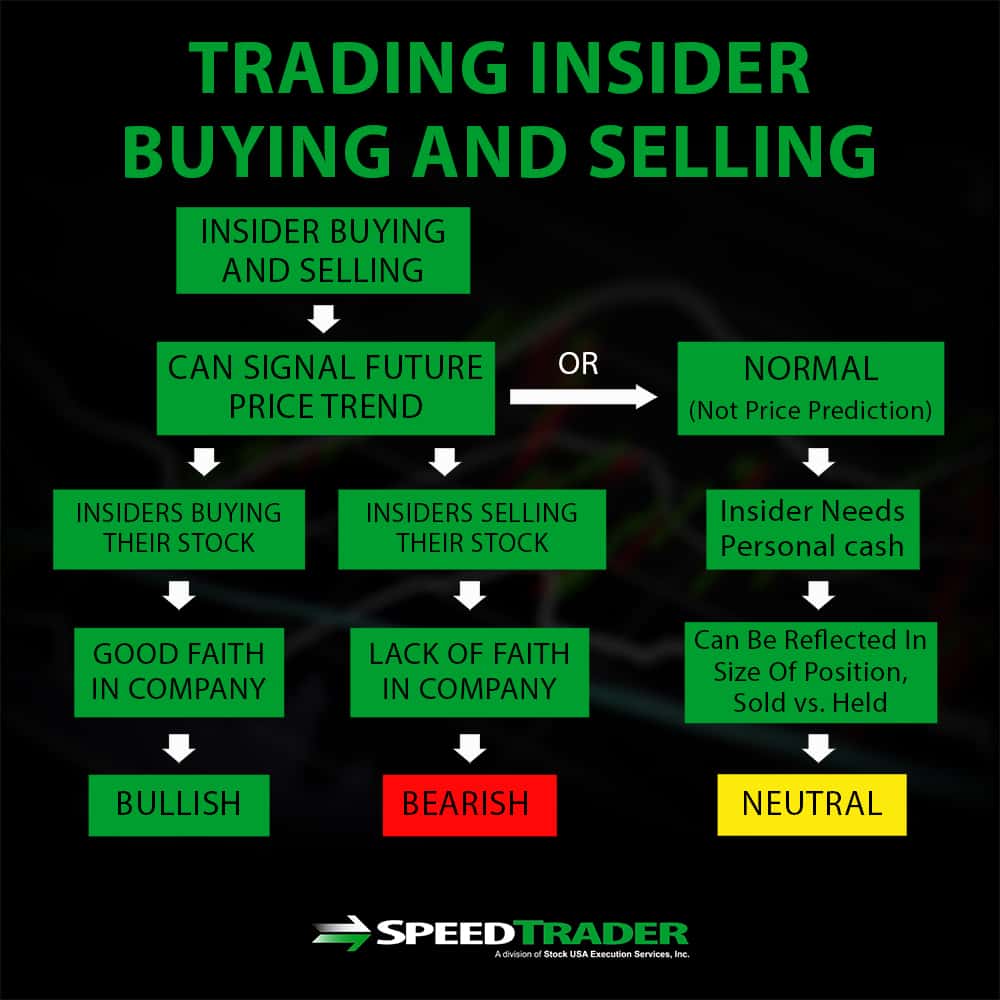
This analysis synthesizes findings from a Reddit post [1] on insider dip buying and external studies [2][3][4] to evaluate the strategy’s performance relative to the S&P500. A 2021 Elon University study covering 2010-2019 found that insider purchases (not limited to dips) generated a mean 1-year return of 49.08%—12.43% higher than the S&P500’s36.65%—but with 52.25% volatility (7x the S&P500’s7.06%) [2]. The recent S&P500 1-year return (12.91% as of 2025) is lower than the long-term mean for insider buying, highlighting potential upside [10]. Recent trends (2025) show corporate insiders buying the dip at the fastest pace since May amid the S&P500’s worst November since2008 [4], aligning with the Reddit post’s claim that deeper dips correlate with higher returns [1]. General market dip buying in2025 has also delivered strong results, with the S&P500 averaging2.5% one-week returns after2%+ drops [3].
- Risk-Return Tradeoff: Insider buying strategies offer superior upside but require tolerance for extreme volatility—critical for investors to balance potential gains against loss risk.
- Timing Alignment: Current insider buying activity [4] suggests a market signal that valuations may be attractive, though the strategy’s performance in prolonged bear markets (e.g.,2008) remains a concern.
- Data Gaps: Limited post-2020 studies focus specifically on dip-related insider purchases [1], and no quantitative data confirms the Reddit post’s claim of lower win rates for the strategy [1].
- Volatility:7x higher than the S&P500, making the strategy unsuitable for risk-averse investors [2].
- Market Cycle Sensitivity: Performance may decline in prolonged bear markets (e.g.,2008 general dip buying losses) [2].
- Insider Motivation: Purchases may reflect tax or portfolio rebalancing needs rather than positive fundamentals [2].
- Current Signal: Recent insider dip buying trends [4] indicate potential undervaluation in select stocks.
- Dip Depth Correlation: Deeper dips correlate with higher returns, per the Reddit post [1], offering targeted entry points for risk-tolerant investors.
- Historical Returns: Insider purchases (2010-2019):49.08% mean 1-year return vs. S&P500’s36.65% [2].
- Volatility: Insider strategy:52.25% vs. S&P500:7.06% [2].
- 2025 Trends: Insiders buying dip at fastest pace since May; S&P500 dip buying delivers2.5% average one-week returns [3][4].
- Recent S&P500 Return:12.91% over 1 year (2024-2025) [10].
- Data Gaps: Need post-2020 dip-specific studies and win rate data to validate the strategy [1].
This section provides objective context for decision-making without prescriptive recommendations.
Insights are generated using AI models and historical data for informational purposes only. They do not constitute investment advice or recommendations. Past performance is not indicative of future results.
About us: Ginlix AI is the AI Investment Copilot powered by real data, bridging advanced AI with professional financial databases to provide verifiable, truth-based answers. Please use the chat box below to ask any financial question.