OpenAI's Competitive Headwinds from Google's Gemini 3 and Infrastructure Advantages
Unlock More Features
Login to access AI-powered analysis, deep research reports and more advanced features
About us: Ginlix AI is the AI Investment Copilot powered by real data, bridging advanced AI with professional financial databases to provide verifiable, truth-based answers. Please use the chat box below to ask any financial question.
Related Stocks
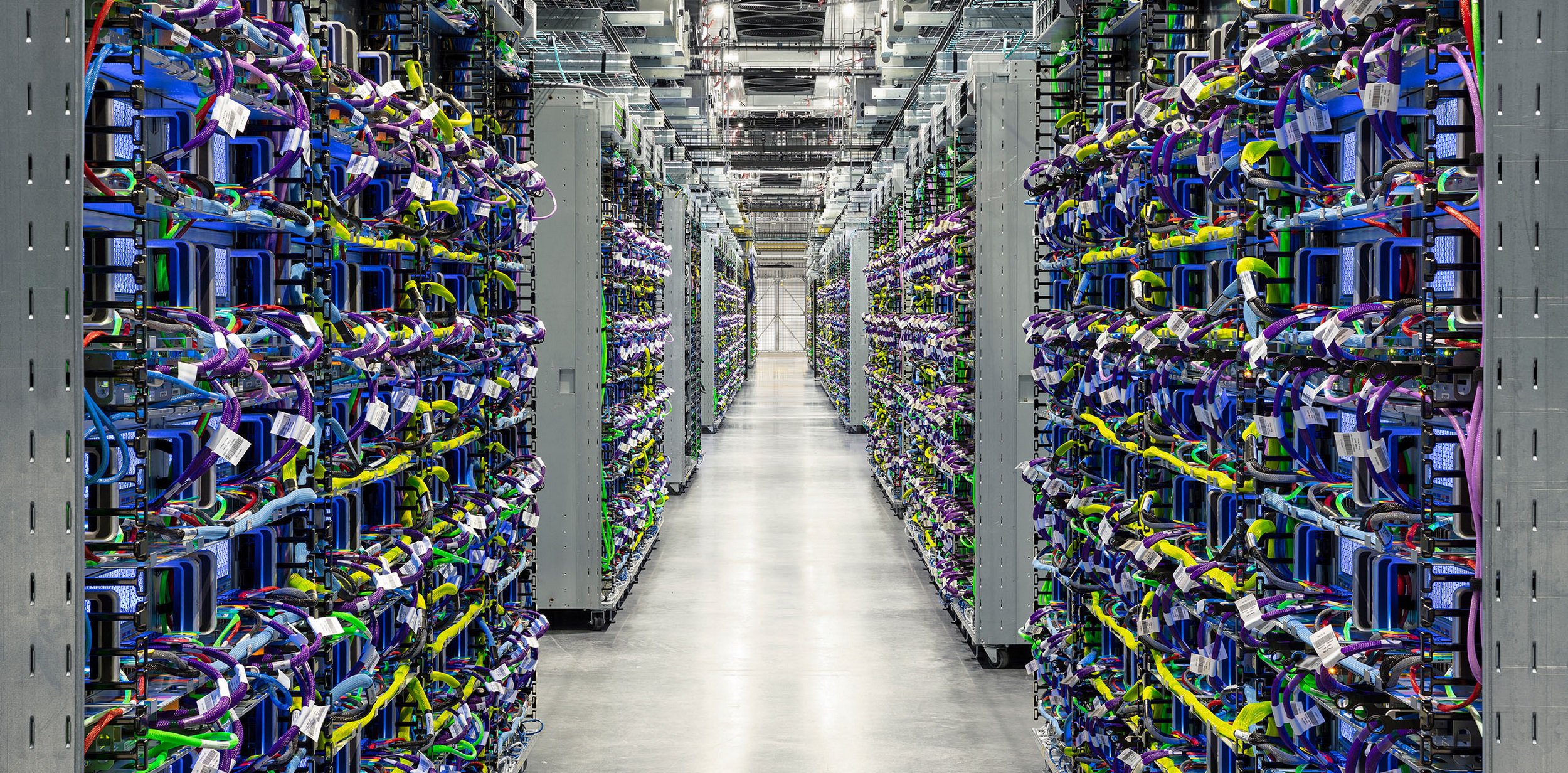
Google’s full-stack AI advantage—including proprietary TPUs (sold to third parties like Meta [4,5]) and ecosystem integration (Gemini for Wear OS [6])—poses significant challenges to OpenAI [3]. OpenAI relies on third-party GPUs (e.g., Nvidia) and faces slowing revenue growth projections (single digits by 2026 [2]) due to competitive displacement by Gemini 3. The shift to a for-profit model has increased OpenAI’s cash burn, making it financially vulnerable [2]. Microsoft’s strategic partnership with OpenAI is complex: while acquisition is plausible [7], Microsoft’s Fara-7B model indicates reduced reliance [7]. Copyright lawsuits against OpenAI and Microsoft add legal risks [8].
Cross-domain correlations include: (1) Google’s TPU sales threatening Nvidia’s AI hardware dominance [4]; (2) Microsoft’s independent AI progress (Fara-7B) reducing dependency on OpenAI [7]; (3) Gemini’s ecosystem integration (Wear OS [6]) driving user engagement beyond OpenAI’s standalone ChatGPT.
- OpenAI: Revenue slowdown [2], legal liabilities [8], and competitive pressure from Google [3].
- Microsoft: Shared legal risks from copyright lawsuits [8].
- Nvidia: Threat from Google’s TPU expansion [4].
- Google: New revenue streams from TPU sales [5] and market share gains in AI segments [6].
- Microsoft: Potential acquisition of OpenAI at a discounted valuation [7].
OpenAI’s competitive position is weakened by Google’s Gemini 3 and infrastructure advantages. The company’s for-profit model has increased financial vulnerability, while legal challenges add further risks. Google’s TPU sales and ecosystem integration strengthen its AI market position. Microsoft’s independent AI development reduces reliance on OpenAI, though acquisition remains an option.
Insights are generated using AI models and historical data for informational purposes only. They do not constitute investment advice or recommendations. Past performance is not indicative of future results.
About us: Ginlix AI is the AI Investment Copilot powered by real data, bridging advanced AI with professional financial databases to provide verifiable, truth-based answers. Please use the chat box below to ask any financial question.