OpenAI vs Google Competitive Dynamics: Headwinds From Google's Resurgence and OpenAI's Challenges
Unlock More Features
Login to access AI-powered analysis, deep research reports and more advanced features
About us: Ginlix AI is the AI Investment Copilot powered by real data, bridging advanced AI with professional financial databases to provide verifiable, truth-based answers. Please use the chat box below to ask any financial question.
Related Stocks
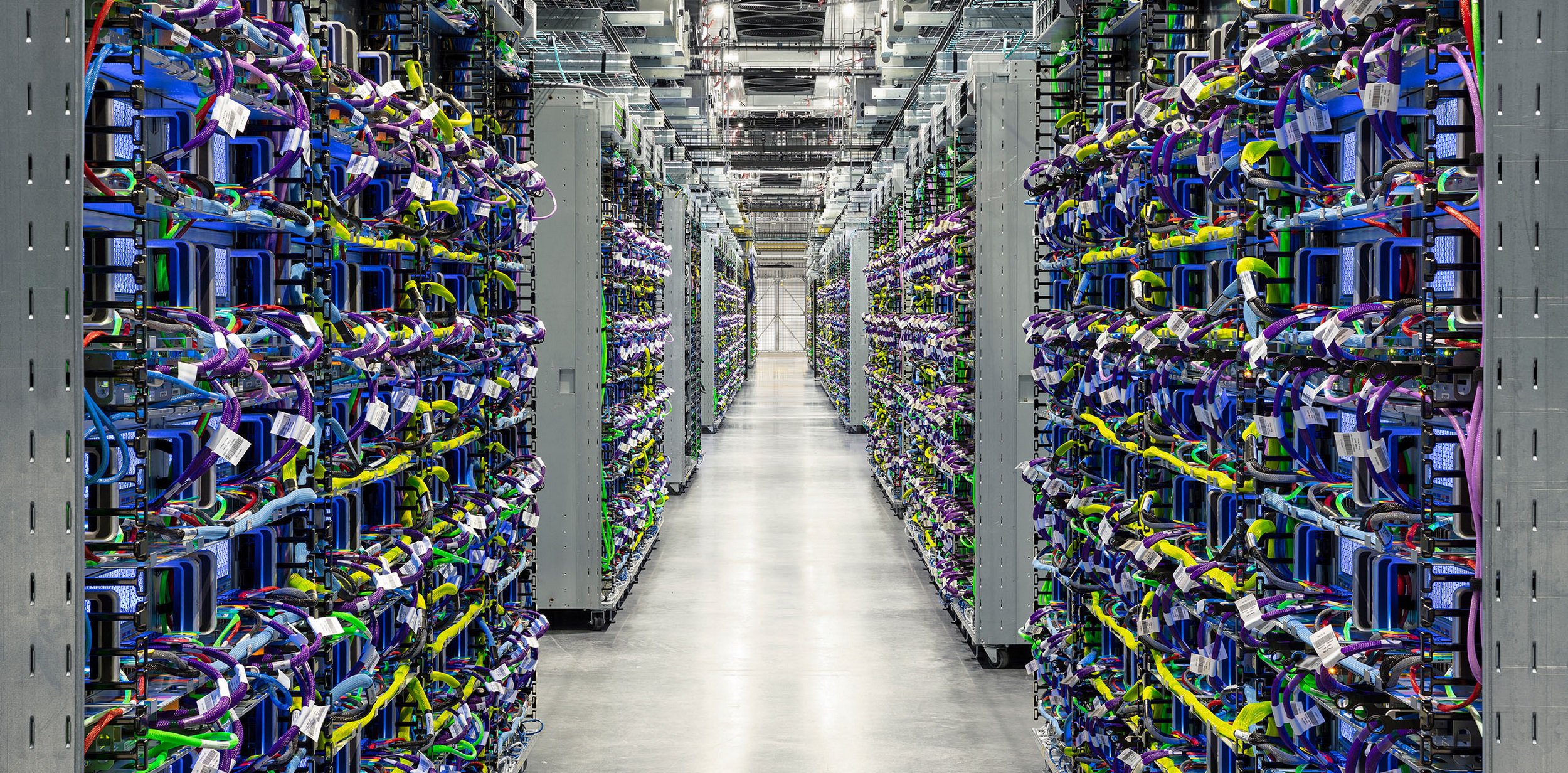
The Reddit post presents bearish perspectives on OpenAI, emphasizing Google’s inherent advantages in data (zettabytes of native data vs OpenAI’s reliance on third-party sources) and infrastructure (proprietary datacenters/TPUs vs OpenAI’s third-party purchases) [0]. External sources validate these claims: Meta’s negotiation to deploy Google’s 7th-gen TPU “Ironwood” confirms Google’s infrastructure credibility [4]. OpenAI’s for-profit shift has led to unsustainable cash burn, supported by a Forbes-leaked memo warning of slowing revenue growth to single digits by 2026 [1]. Google’s ecosystem strength and rapid execution (21 months from Bard to Gemini 3.0) further widen the gap [0,2]. OpenAI’s survival may depend on Microsoft acquisition, as indicated by Windows Central’s report of Microsoft’s $11.5B OpenAI loss [3].
- Google’s Infrastructure Moat: Google’s TPU ecosystem expansion (Meta adoption) strengthens its position in the AI supply chain [4].
- OpenAI’s Financial Vulnerability: The for-profit shift has transformed OpenAI into a cash incinerator, with slowing revenue growth threatening its independence [1].
- Microsoft’s Strategic Role: Microsoft’s ~49% stake in OpenAI makes acquisition a plausible survival path for OpenAI [3].
- Ripple Effects: Google’s AI progress benefits supply chain partners like MediaTek, whose shares saw a 23-year best week [5].
- OpenAI Risks: Unsustainable cash burn, competitive pressure from Google, and slowing revenue growth [1].
- Google Opportunities: Strengthening AI infrastructure leadership and ecosystem integration (Gemini 3.0) [2,4].
- Microsoft Risks/Opportunities: Acquiring OpenAI would solidify its AI position but add short-term costs (Microsoft’s $11.5B loss) [3].
- Supply Chain: Google’s TPU expansion benefits MediaTek [5], while OpenAI’s reliance on Nvidia limits cost flexibility.
- AI Race Dynamics: Google’s Gemini3.0 has closed the gap with OpenAI’s GPT-5 [2].
- OpenAI-Microsoft Partnership: Microsoft owns ~49% of OpenAI [3].
- Google Execution: 21 months from Bard to Gemini3.0 demonstrates rapid innovation [0].
Insights are generated using AI models and historical data for informational purposes only. They do not constitute investment advice or recommendations. Past performance is not indicative of future results.
About us: Ginlix AI is the AI Investment Copilot powered by real data, bridging advanced AI with professional financial databases to provide verifiable, truth-based answers. Please use the chat box below to ask any financial question.