CME Futures Halt Due to Data Center Cooling Failure: Implications for AI Infrastructure Stress
Unlock More Features
Login to access AI-powered analysis, deep research reports and more advanced features
About us: Ginlix AI is the AI Investment Copilot powered by real data, bridging advanced AI with professional financial databases to provide verifiable, truth-based answers. Please use the chat box below to ask any financial question.
Related Stocks
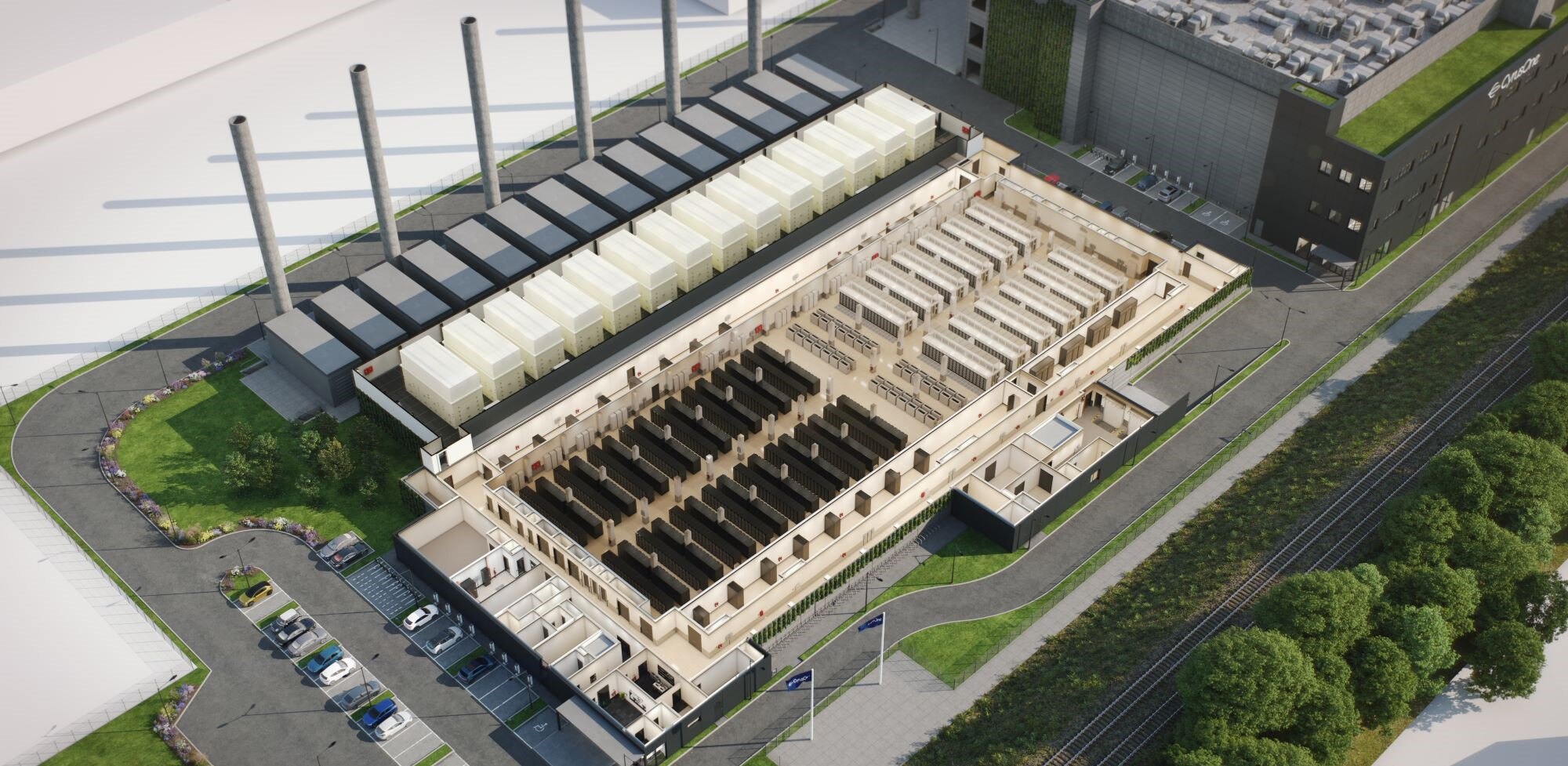
On November 28, 2025, CME Group halted futures trading across major contracts (WTI crude, US 10Y Treasury, S&P futures) due to a cooling system failure at a CyrusOne (CONE) data center [1][2]. The outage disrupted global markets and sparked discussions about whether this is a one-off technical issue or a sign of AI-era infrastructure stress. While there is no direct evidence linking this specific outage to AI workloads, the broader trend shows AI-driven heat increases are straining traditional data center cooling systems [3]. Market data indicates CME’s stock closed at $280.87 (+1.40%), CONE was flat ($90.36), and Comfort Systems USA (FIX) rose 1.45% ($970.95) [0].
- Infrastructure Vulnerability: The outage exposes gaps in data center contingency planning, as highlighted by the lack of immediate failover to backup systems.
- AI Infrastructure Trend: AI workloads are driving 75% of new data center projects, with 53% of experts expecting liquid cooling to dominate future facilities due to heat stress [3].
- Market Impact Disparity: While the outage had minimal negative impact on CME and CONE, it benefited HVAC providers like FIX, aligning with the bullish thesis for data center cooling solutions [0].
- Operational Risk: Exchanges relying on third-party data centers face disruptions from infrastructure failures. Users should monitor CME’s contingency plans for future outages [0].
- Reputational Risk: CyrusOne could lose clients if outages become recurrent, impacting long-term revenue [0].
- Infrastructure Stress: AI-driven heat increases are straining traditional cooling systems; data center operators not upgrading to liquid cooling may face frequent outages [3].
- Cooling Solution Providers: Companies specializing in HVAC and liquid cooling for data centers (like FIX) stand to benefit from the growing demand for infrastructure upgrades [3].
- Data Center Modernization: The outage may accelerate investments in AI-optimized data centers with advanced cooling systems [3].
The CME futures halt due to a data center cooling failure on November 28, 2025, highlights infrastructure vulnerabilities in the context of growing AI workloads. Market data shows mixed impacts: CME and CONE remained stable, while FIX benefited from the trend. Key takeaways include the need for better contingency planning in data centers and the growing demand for AI-optimized cooling solutions. This analysis provides objective context for decision-making without prescriptive recommendations.
Insights are generated using AI models and historical data for informational purposes only. They do not constitute investment advice or recommendations. Past performance is not indicative of future results.
About us: Ginlix AI is the AI Investment Copilot powered by real data, bridging advanced AI with professional financial databases to provide verifiable, truth-based answers. Please use the chat box below to ask any financial question.