CME Outage Analysis: Cooling Failure Exposes AI Data Center Infrastructure Risks
Unlock More Features
Login to access AI-powered analysis, deep research reports and more advanced features
About us: Ginlix AI is the AI Investment Copilot powered by real data, bridging advanced AI with professional financial databases to provide verifiable, truth-based answers. Please use the chat box below to ask any financial question.
Related Stocks
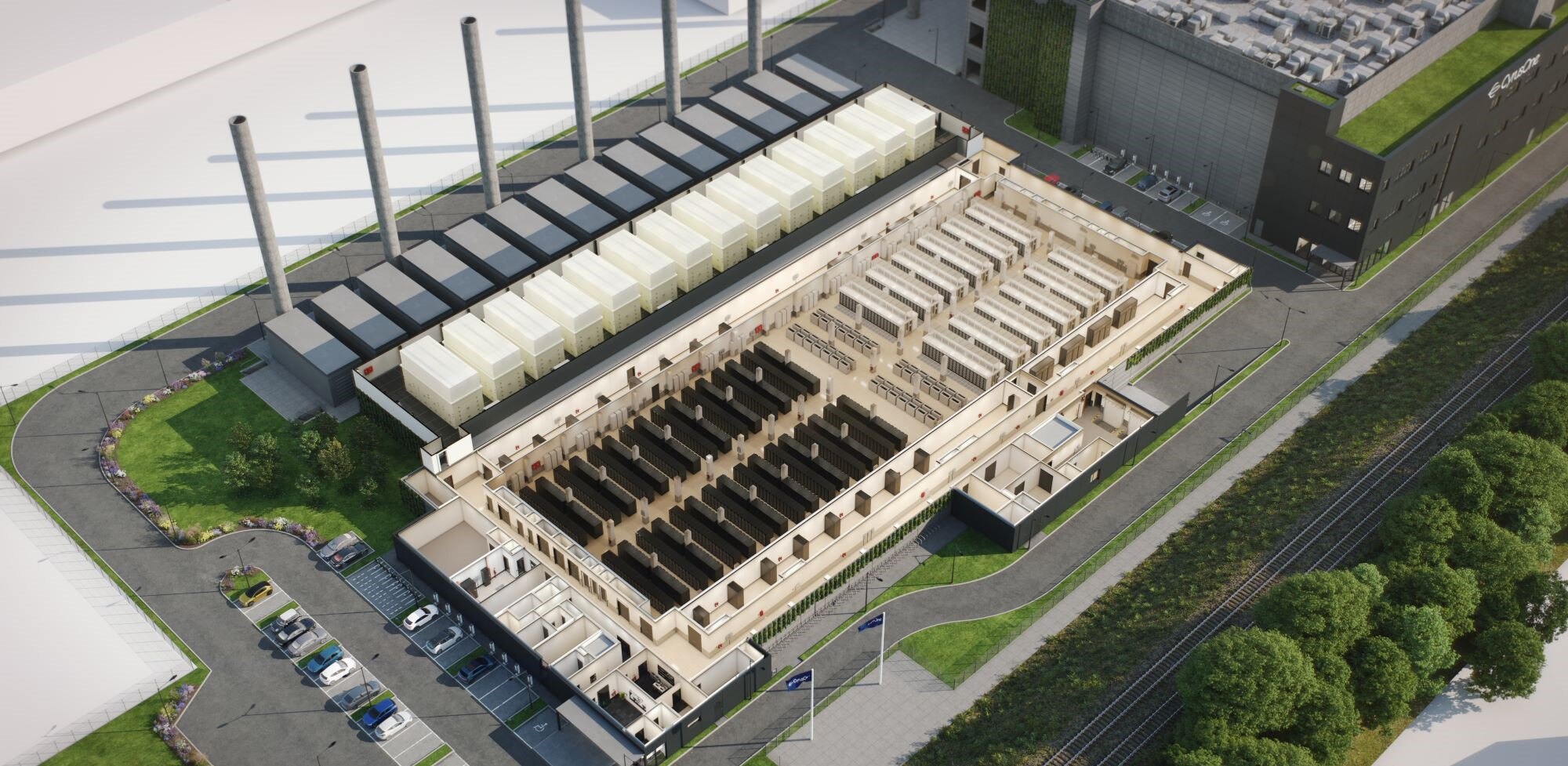
On November28,2025,the CME Group halted futures trading across key asset classes (WTI crude,US10Y Treasuries,S&P futures) due to a cooling system failure at CyrusOne’s CHI1 data center near Chicago,disrupting ~90% of global derivatives markets [0]. This event underscores the growing strain AI workloads place on data center infrastructure: AI racks require 40–60kW of power (vs legacy 5–10kW),pushing traditional air cooling systems to their limits [0]. A Turner & Townsend report notes that75% of new data center projects are AI-focused,reflecting the rapid adoption of these high-demand workloads [0]. The HVAC sector has already seen benefits: Comfort Systems USA (FIX),an HVAC provider specializing in data centers,recorded an11.15%5-day gain as investors recognized the need for robust cooling solutions [2]. Data center operators like CyrusOne face reputational risks post-outage—its Intelliscale™ AI-focused platform is now under scrutiny for cooling resilience,while competitors like Equinix may gain market share by emphasizing redundant liquid cooling systems [1,0].
- Cross-Domain Vulnerability: Financial infrastructure reliability is increasingly tied to data center cooling resilience—AI’s heat output directly impacts critical markets like derivatives trading [0].
- Liquid Cooling Transition: Liquid cooling is moving from niche to mainstream,with53% of industry respondents expecting it to dominate future high-density data center projects [0]. Siemens’ AI-powered cooling systems have already improved efficiency by30% at Estonia’s Greenergy Data Centers,demonstrating the value of advanced solutions [0].
- Grid Resilience Feedback Loop: AI data centers strain power grids (consuming ~30% of U.S. energy demand [0]),leading to regulatory warnings (NERC’s winter blackout alert [0]) that further risk data center uptime.
- Critical Service Disruption: Data center cooling failures can halt global financial markets,as seen in the CME outage [0].
- Regulatory Scrutiny: NERC’s warnings about grid strain may lead to stricter standards for data center power and cooling [0].
- HVAC Specialization: Companies like FIX (YTD gain of127.99% [2]) are well-positioned to capture demand for data center-specific cooling solutions.
- Liquid Cooling Adoption: Tech providers offering liquid cooling systems stand to benefit from the shift away from traditional air cooling [0].
- Redundant Infrastructure: Data center operators with geographically redundant cooling systems can gain market share by addressing reliability concerns [1].
The CME outage highlights the urgent need for data center infrastructure upgrades to support AI workloads. Stakeholders should consider:
- Financial Institutions: Prioritize data centers with redundant cooling and low-latency failover options.
- Data Center Operators: Invest in liquid cooling and grid-flexible designs to meet AI demands and regulatory expectations.
- Investors: Focus on HVAC providers (e.g.,FIX) and liquid cooling tech firms as growth areas.
Insights are generated using AI models and historical data for informational purposes only. They do not constitute investment advice or recommendations. Past performance is not indicative of future results.
About us: Ginlix AI is the AI Investment Copilot powered by real data, bridging advanced AI with professional financial databases to provide verifiable, truth-based answers. Please use the chat box below to ask any financial question.