AI-Driven Memory Shortage: Investment Opportunities & Risk Analysis
Unlock More Features
Login to access AI-powered analysis, deep research reports and more advanced features
About us: Ginlix AI is the AI Investment Copilot powered by real data, bridging advanced AI with professional financial databases to provide verifiable, truth-based answers. Please use the chat box below to ask any financial question.
Related Stocks
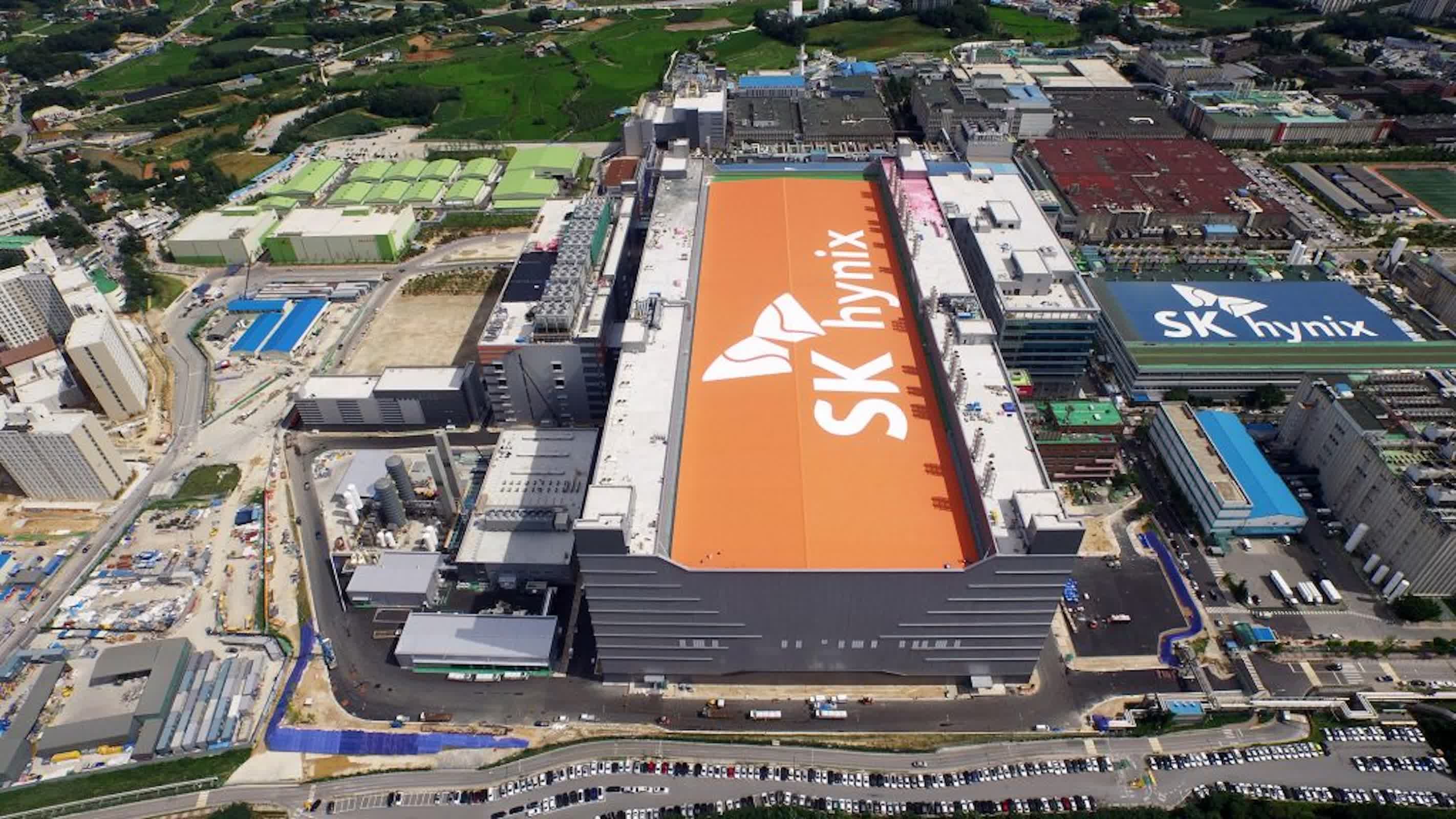
The AI-driven memory shortage has triggered significant industry shifts. DRAM prices rose 171% YoY in Q3 2025 [3], with Samsung hiking prices by up to60% [4] to leverage the shortage. SK Hynix reported record Q3 profits [5] and plans an8-fold boost to cutting-edge DRAM production in2026 [6]. The top three memory producers (Samsung, SK Hynix, Micron) hold over90% of the DRAM market share [1], with high barriers to entry (new fabs cost billions) reinforcing their dominance. Equipment suppliers like ASML and Applied Materials benefit indirectly as their EUV machines are critical for advanced memory production [1]. The demand shift from consumer electronics to AI data centers (now 40% of memory demand [1]) has led to higher prices for smartphones and laptops [7].
- Structural Demand Shift: AI’s long-term demand for memory is reshaping the traditionally cyclical market, creating a potential ‘super cycle’ [8].
- Barrier to Entry: High capital requirements for fab construction prevent new players from entering, ensuring top producers’ market control.
- Indirect Benefits: Equipment suppliers (ASML, Applied Materials) are less exposed to memory price volatility but benefit from every new fab build.
- Cartel-like Behavior: The Reddit discussion highlights concerns over coordinated price hikes among top producers, which may attract regulatory scrutiny.
- Cyclical Market Downturn: Memory prices are temporary, and the market may experience a downturn once supply catches up with demand [1].
- Regulatory Scrutiny: Allegations of cartel-like behavior could lead to fines or forced pricing changes [1].
- Supply Chain Disruptions: Shortages of EUV machines (critical for advanced memory production) may delay capacity expansion [8].
- Capacity Expansion: Top producers are ramping up production (SK Hynix’s8x boost [6], Samsung’s new fab [8]) to meet AI demand.
- Equipment Suppliers: ASML and Applied Materials are well-positioned to benefit from increased fab investments.
- Long-term Contracts: Securing long-term supply contracts can mitigate price volatility for both producers and customers [4].
- Price Hikes: DRAM prices up171% YoY [3], Samsung’s 60% price hike [4].
- Production Plans: SK Hynix to increase cutting-edge DRAM production 8-fold in2026 [6], Samsung’s new fab in South Korea [8].
- Market Dominance: Top three producers hold over90% of DRAM market share [1].
- Demand Shift: 40% of memory demand now comes from AI data centers [1], leading to higher consumer electronics prices [7].
- Equipment Suppliers: ASML and Applied Materials are critical for advanced memory production [1].
Insights are generated using AI models and historical data for informational purposes only. They do not constitute investment advice or recommendations. Past performance is not indicative of future results.
About us: Ginlix AI is the AI Investment Copilot powered by real data, bridging advanced AI with professional financial databases to provide verifiable, truth-based answers. Please use the chat box below to ask any financial question.