CME Outage Analysis: Data Center Cooling Failure and AI Infrastructure Resilience Implications
Unlock More Features
Login to access AI-powered analysis, deep research reports and more advanced features
About us: Ginlix AI is the AI Investment Copilot powered by real data, bridging advanced AI with professional financial databases to provide verifiable, truth-based answers. Please use the chat box below to ask any financial question.
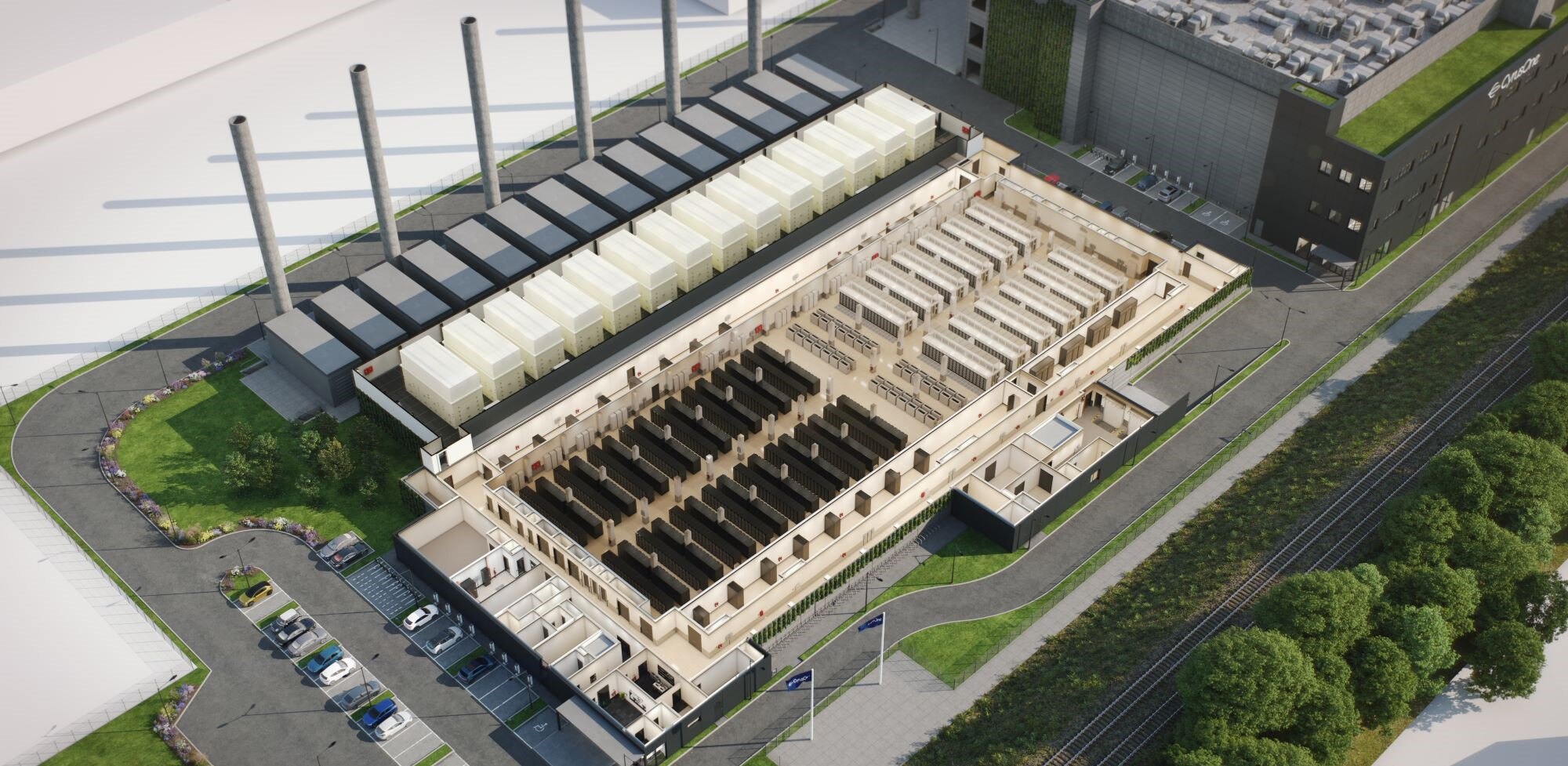
On November 28, 2025, CME Group halted all futures and options trading across its Globex and EBS platforms due to a cooling system failure at a CyrusOne-operated data center in the Chicago area [1]. The outage affected benchmark contracts including WTI crude, US 10-year Treasuries, S&P500 futures, foreign exchange pairs, and precious metals [3]. Trading was suspended for several hours, with services restored around 13:00 GMT [3].
The event sparked Reddit discussions debating whether it was a one-off tech issue or a sign of AI-era infrastructure stress, citing AI workloads’ increased heat/power usage and previous cloud outages in 2025 [Event Context]. Key points included:
- Concerns over CME’s failover practices (avoiding backup data centers due to latency for high-frequency trading (HFT) [Event Context])
- Potential bullish implications for data center infrastructure stocks [Event Context]
The outage underscores the criticality of robust cooling systems for high-availability data centers. The global data center liquid cooling market is projected to grow from $3.1B (2024) to $9.5B (2030) at a CAGR of 20.3% [2], driven by AI/ML workloads’ high heat density.
While the specific outage was not directly linked to AI, it aligns with broader trends of infrastructure stress from AI:
- US hyperscale data centers are adopting direct-to-chip liquid cooling and microfluidic technologies to handle AI demands [5].
- The North American Electric Reliability Corporation (NERC)’s 2025-26 Winter Reliability Assessment notes AI data centers are a key driver of 20GW higher winter peak demand, raising outage risks in regions like Texas and the Carolinas [4].
Traditional air cooling systems struggle with high-density workloads, shifting demand to liquid cooling. Companies like Johnson Controls have cited data center cooling as a growth driver [6].
- Leaders in liquid cooling (Vertiv Group Corp., Schneider Electric [2]) may gain market share as operators prioritize resilience.
- Niche players like Comfort Systems USA (mentioned in Reddit) could see increased demand for tailored HVAC services [Event Context].
- CyrusOne’s reputation may face short-term damage, benefiting competitors like Digital Realty and Equinix [Event Context].
- The event may accelerate adoption of multi-availability zone strategies, even if it incurs latency costs for HFTs [Event Context].
- CME Group could face scrutiny of its disaster recovery plans, potentially benefiting rivals like ICE with more robust failover mechanisms [Event Context].
- Liquid Cooling Adoption: Direct-to-chip liquid cooling is becoming the de facto standard for large AI clusters [5], with Microsoft and hyperscalers leading.
- Regulatory Scrutiny: NERC’s warnings may lead to stricter rules on data center energy usage and redundancy [4].
- Resilience Investments: Operators are likely to increase investments in redundant cooling (e.g., additional chillers) and cross-region failover [3].
- Data Center Operators: Balance latency (for HFT) with resilience. Invest in liquid cooling and multi-site redundancy to avoid losses.
- Traders & Investors: Outages disrupt price discovery—use alternative venues and monitor cooling solution providers.
- Cooling Vendors: Focus on innovative liquid cooling technologies to capture growing demand.
- Regulators: Update guidelines to ensure grid reliability and minimize systemic risks from outages.
- AI Workload Growth: Drives demand for high-density cooling solutions.
- Resilience Requirements: Increasing need for redundant systems and failover capabilities.
- Regulatory Pressure: NERC’s warnings and potential new rules on energy usage.
- Competitive Dynamics: Cooling vendors compete on innovation; operators on reliability/latency.
- Reputational Risk: Outages can harm data center operators’ client retention and market position.
Insights are generated using AI models and historical data for informational purposes only. They do not constitute investment advice or recommendations. Past performance is not indicative of future results.
About us: Ginlix AI is the AI Investment Copilot powered by real data, bridging advanced AI with professional financial databases to provide verifiable, truth-based answers. Please use the chat box below to ask any financial question.