CME Futures Trading Halt Analysis: Data Center Cooling Failure & AI-Era Infrastructure Implications
Unlock More Features
Login to access AI-powered analysis, deep research reports and more advanced features
About us: Ginlix AI is the AI Investment Copilot powered by real data, bridging advanced AI with professional financial databases to provide verifiable, truth-based answers. Please use the chat box below to ask any financial question.
Related Stocks
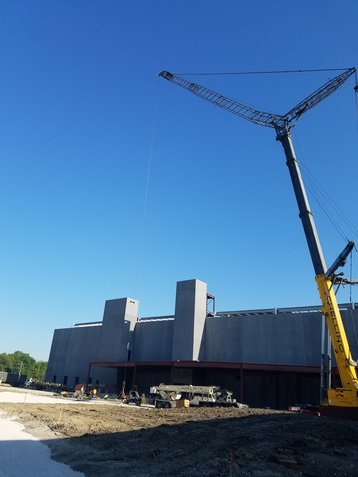
On November 28, 2025, CME Group halted futures trading across WTI crude, US 10-year Treasuries, and S&P futures due to a cooling system failure at a CyrusOne data center in Aurora, Illinois [0,1]. The outage affected CME’s Globex platform, EBS foreign exchange market, and BMD markets [2]. While the immediate issue was a cooling failure, AI-driven workloads have increased data center heat and power usage—trends that have led to previous cloud outages this year [5,6]. CyrusOne, a private equity-owned operator, faced reputational risks, while exchanges like CME balanced low-latency requirements (critical for high-frequency trading) against disaster recovery resilience (choosing not to failover to New York to avoid latency impacts [3]).
- AI-Infrastructure Stress Link: AI’s high-density compute demands are driving the need for advanced cooling solutions (e.g., liquid cooling [5,7]), indicating a systemic trend rather than isolated incidents.
- Competitive Shifts: Data center operators with robust cooling systems (Equinix [EQIX], Digital Realty [DLR]) may gain market share from CyrusOne, while cooling/HVAC firms (Vertiv [VRT], Asetek [ASTK], Comfort Systems USA [FIX]) see growth opportunities [7,9].
- Regulatory Implications: The outage could prompt CFTC reviews of disaster recovery requirements for financial exchanges, especially regarding failover strategies [0,3].
- Data Center Operators: CyrusOne faces short-term reputational damage; operators without redundant cooling systems risk outages [3].
- Traders: Disruptions highlight vulnerability of electronic trading systems, emphasizing need for diversified strategies [0].
Opportunities: - Cooling/HVAC Companies: Increased demand for liquid cooling and AI-optimized HVAC solutions [7,9].
- Data Center Operators: Partnerships with exchanges for low-latency, resilient infrastructure [4].
- Event: Nov 28,2025 CME trading halt due to CyrusOne data center cooling failure [0].
- Trends: AI-driven data center renovation ($54.7B market by2030 [6]) and liquid cooling adoption [5].
- Key Players: Cooling firms (VRT, ASTK, EMR, FIX), data centers (EQIX, DLR), exchanges (CME), tech giants (MSFT [Microsoft] with liquid cooling integration [10]).
- Tradeoffs: Exchanges must balance latency (HFT) and resilience (disaster recovery [3]).
- Regulatory: Potential CFTC scrutiny of infrastructure resilience [0].
Insights are generated using AI models and historical data for informational purposes only. They do not constitute investment advice or recommendations. Past performance is not indicative of future results.
About us: Ginlix AI is the AI Investment Copilot powered by real data, bridging advanced AI with professional financial databases to provide verifiable, truth-based answers. Please use the chat box below to ask any financial question.