OpenAI's Competitive Headwinds Amid Google's Gemini3 Resurgence and Microsoft Dependency
Unlock More Features
Login to access AI-powered analysis, deep research reports and more advanced features
About us: Ginlix AI is the AI Investment Copilot powered by real data, bridging advanced AI with professional financial databases to provide verifiable, truth-based answers. Please use the chat box below to ask any financial question.
Related Stocks
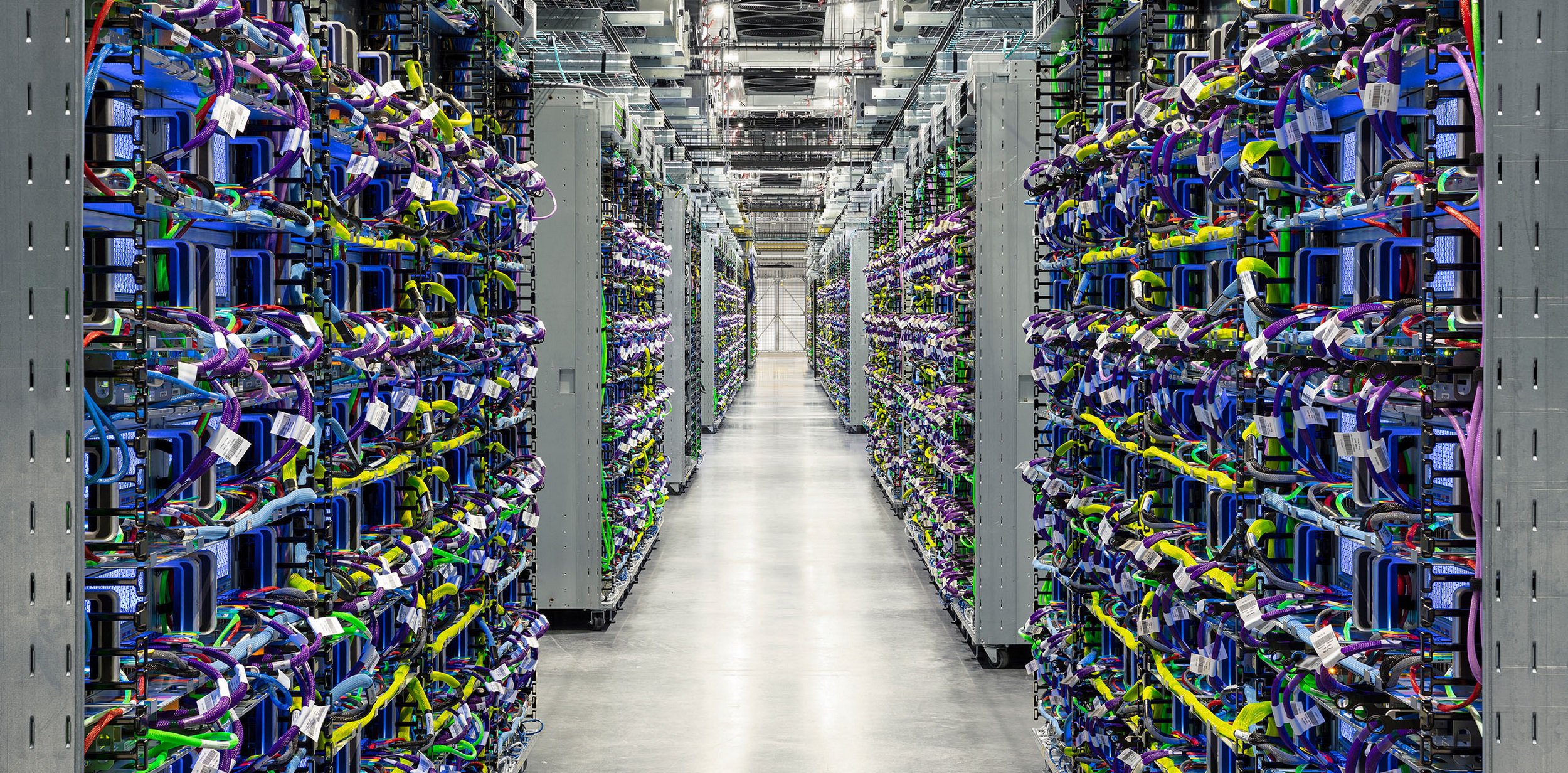
OpenAI faces significant competitive pressure from Google’s Gemini3 model, which outperforms GPT5.1 in reasoning, coding, and multimodal benchmarks [1][2]. Google’s full-stack AI advantage—zettabytes of data, proprietary TPUs, and integrated ecosystem (Search/Workspace)—gives it a sustainable edge over OpenAI, which relies on third-party hardware and partnerships [2]. OpenAI’s shift to a for-profit model has led to unsustainable cash burn, with projections of a $74B operating loss by 2028 and 5% revenue growth by 2026 [3]. This aligns with Reddit’s bearish views on OpenAI’s financial viability.
OpenAI’s ecosystem gaps are structural: it lacks Google’s direct user reach (dependent on Microsoft’s Bing and Office365) [2]. Reddit’s claim that OpenAI is not a threat to Google’s ecosystem is validated by these differences. Microsoft’s strong financial position ($3.66T market cap, 31.53% ROE [4]) supports Reddit’s argument that OpenAI’s survival depends on Microsoft’s backing.
- Google’s Sustainable Edge: Google’s end-to-end AI infrastructure (data + TPUs + ecosystem) creates a moat that OpenAI cannot easily replicate [1][2].
- OpenAI’s Strategic Misstep: The for-profit shift transformed OpenAI from a research firm into a cash-intensive operation, increasing its dependency on external funding [3].
- Microsoft’s Dual Role: Microsoft’s diversified revenue allows it to absorb OpenAI’s losses, while OpenAI’s struggles present an opportunity for deeper integration into Microsoft’s ecosystem [4].
- Ecosystem Dominance: Google’s integration of AI into core products (Search, Workspace) strengthens user retention, whereas OpenAI relies on partnerships to reach users [2].
- OpenAI: Short-term revenue slowdown (5% by 2026 [3]) and market share erosion risk if product development lags Gemini3 [2].
- Microsoft: Indirect risk of delayed AI-driven cloud and productivity gains, though diversified revenue mitigates this [4].
- Google: Gemini3’s success could boost ad revenue (via Search AI upgrades) and cloud market share [5].
- Microsoft: Potential to deepen OpenAI integration into Azure and Office365 if OpenAI faces further challenges [4].
- Microsoft Metrics: Market cap ($3.66T), P/E ratio (34.86x), ROE (31.53%) [4].
- Google’s Recent Moves: Circle to Search upgrade and TPU v6e development [5].
- OpenAI: Private company with no public financial statements, making direct validation of cash burn claims difficult.
Insights are generated using AI models and historical data for informational purposes only. They do not constitute investment advice or recommendations. Past performance is not indicative of future results.
About us: Ginlix AI is the AI Investment Copilot powered by real data, bridging advanced AI with professional financial databases to provide verifiable, truth-based answers. Please use the chat box below to ask any financial question.