Industry Analysis: CME Outage & AI-Era Data Center Infrastructure Stress
Unlock More Features
Login to access AI-powered analysis, deep research reports and more advanced features
About us: Ginlix AI is the AI Investment Copilot powered by real data, bridging advanced AI with professional financial databases to provide verifiable, truth-based answers. Please use the chat box below to ask any financial question.
Related Stocks
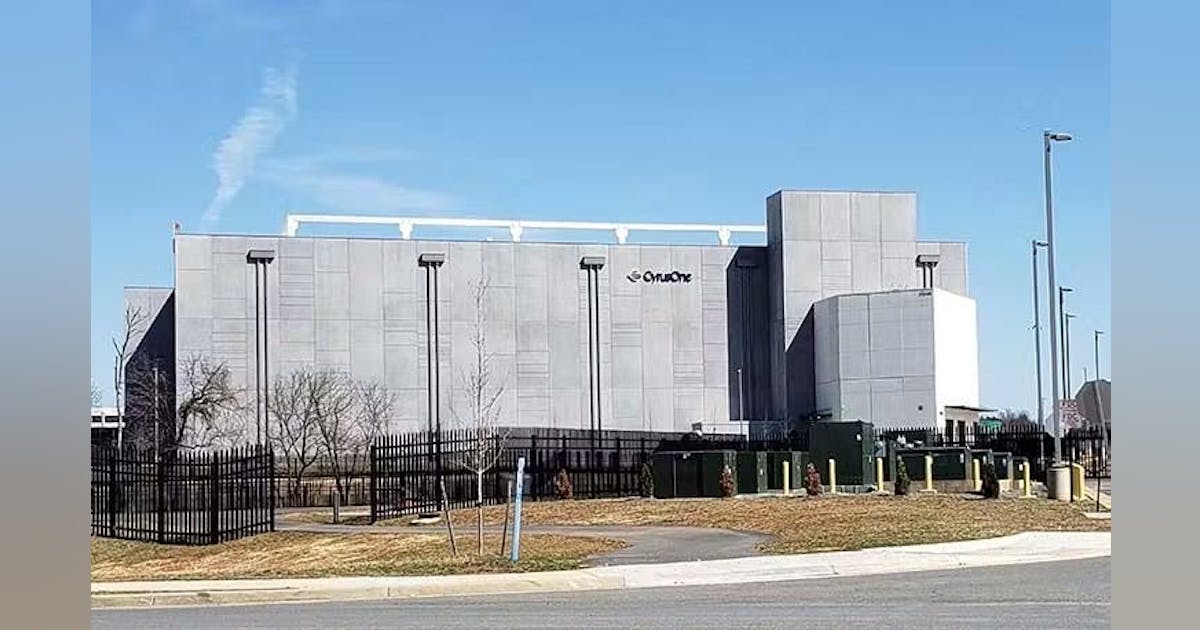
On November 27-28, 2025, the Chicago Mercantile Exchange (CME) halted futures trading across key asset classes—including WTI crude, U.S. 10-year Treasuries, S&P 500 futures, and FX pairs—due to a cooling failure at a CyrusOne data center in the U.S. The outage disrupted electronic markets (Globex, EBS) and global price discovery, with no immediate updates on affected contracts for hours [1]. CyrusOne, a Dallas-based data center operator, did not immediately comment on the incident [1].
The outage highlights growing infrastructure stress from AI-driven workloads, which are reshaping data center requirements:
- Power Density Surge:AI workloads have increased average rack density from7kW/rack (2021) to16kW/rack (2025), with79% of operators expecting further growth [3]. This translates to higher heat output, straining traditional cooling systems.
- Cooling Demand:Turner & Townsend’s 2025 report finds53% of respondents expect liquid cooling to dominate future high-density projects, as AI workloads outpace air cooling capabilities [4].
- Grid Constraints:AI data centers generate bursty power demand (hundreds of MW fluctuations in seconds), posing risks to grid stability [6]. NTT Global Data Centers projects AI could increase global data center power consumption by13x by2030 [2].
The CME outage underscores the need for redundant cooling and advanced infrastructure to support AI’s growth.
##3. Changes in Competitive Landscape
- HVAC Providers:Comfort Systems USA (FIX), a leading HVAC provider for large-scale systems, benefits from data center demand. Its YTD growth of127.99% and consensus price target of $1069 (+9.4% from current) reflect investor confidence [0]. The company’s mechanical segment (78.7% of revenue) includes data center HVAC services [0].
- Data Center Operators:CyrusOne (CONE) had no immediate stock price change on the outage day [0], but the event may push operators to prioritize redundant cooling or liquid cooling. Digital Realty, for example, has invested in liquid cooling and signed a $373M deal with Schneider Electric for AI-focused power equipment [5].
- Competitive Edge:Operators adopting liquid cooling will gain market share over those relying on traditional air cooling, as AI workloads require higher density [4].
##4. Industry Developments of Note
- Liquid Cooling Adoption:A key trend to address AI’s cooling needs—53% of operators plan to use it for high-density projects [4].
- AI Infrastructure Investments:Companies like Digital Realty are expanding AI-optimized data centers (e.g., €500M Madrid facilities) [5].
- Sustainability Pressures:AI’s high power consumption may lead to ESG or regulatory demands for greener infrastructure [2].
##5. Context for Stakeholders
- Data Center Operators:Must invest in redundant cooling and liquid cooling to avoid outages and retain clients.
- HVAC Providers:Growth opportunities in data center segments (Comfort Systems’ performance reflects this [0]).
- Traders/Investors:Outages disrupt markets; infrastructure stocks (e.g., FIX) offer growth potential.
- Regulators:Need to address grid stability risks from AI data centers [6].
##6. Key Factors Affecting Industry Participants
- AI Workload Growth:Drives demand for higher power density and cooling [3,4].
- Cooling Technology:Liquid cooling vs. traditional air cooling [4].
- Power Grid Capacity:Ability to support AI’s bursty power demands [6].
- Redundancy Requirements:To mitigate outage risks like the CME’s [1].
- Sustainability:ESG pressures for AI’s carbon footprint [2].
Disclaimer: This report is for informational purposes only and does not constitute investment advice. All data is sourced from public or internal tools as cited.
Source Credibility: Tier1 (Reuters, NTT), Tier2 (Data Center Knowledge, CoreSite), Tier3 (EnkiAI).
Objective: To analyze the CME outage’s implications for AI-era data center infrastructure.
Insights are generated using AI models and historical data for informational purposes only. They do not constitute investment advice or recommendations. Past performance is not indicative of future results.
About us: Ginlix AI is the AI Investment Copilot powered by real data, bridging advanced AI with professional financial databases to provide verifiable, truth-based answers. Please use the chat box below to ask any financial question.