CME Group Outage Analysis: Data Center Cooling Failure Exposes Infrastructure Resilience Gaps Amid AI Boom
Unlock More Features
Login to access AI-powered analysis, deep research reports and more advanced features
About us: Ginlix AI is the AI Investment Copilot powered by real data, bridging advanced AI with professional financial databases to provide verifiable, truth-based answers. Please use the chat box below to ask any financial question.
Related Stocks
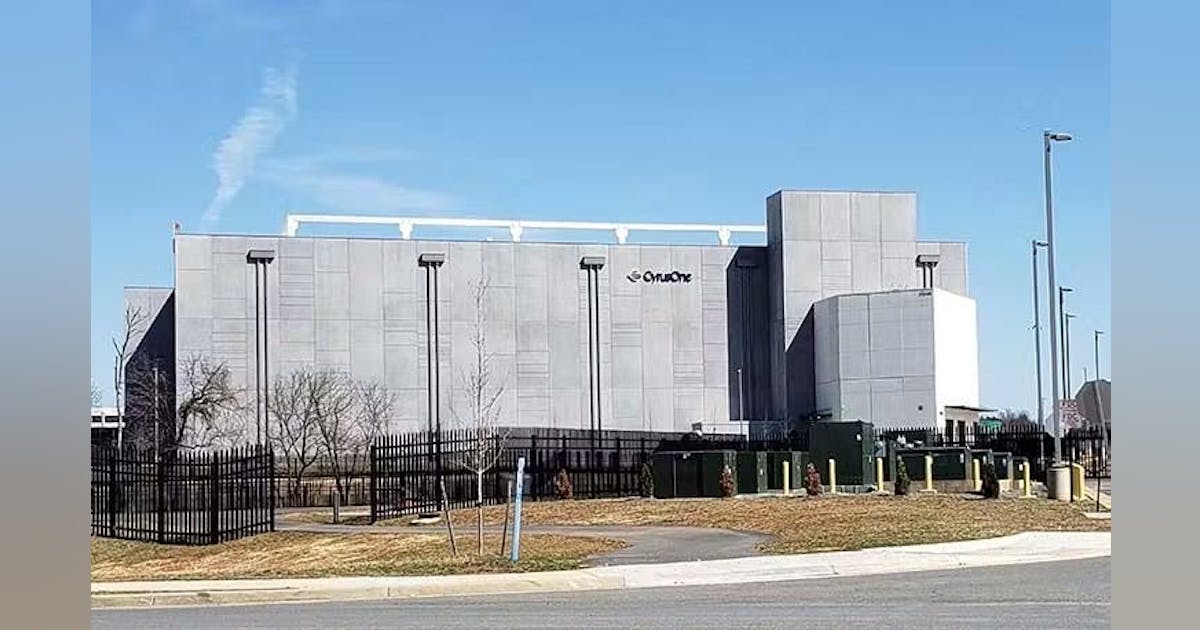
On Nov 27-28,2025, CME Group—the world’s largest derivatives exchange—halted trading across Globex and EBS platforms for over 11 hours due to a cooling system failure at CyrusOne’s CHI1 data center in Chicago [1]. The outage affected benchmark contracts including crude oil, gold, S&P500 futures, FX pairs, and U.S. Treasuries [1]. CyrusOne reported a chiller plant failure; teams restarted some units at limited capacity and deployed temporary cooling [1][6]. CME chose not to failover to its NY data center due to latency concerns for high-frequency trading (HFT) [2].
This event amplifies concerns about infrastructure resilience amid AI-driven workloads, which consume ~30% of U.S. annual energy demand and strain traditional air-cooling systems [3][4]. It follows a series of 2025 data center outages (AWS, Azure, Cloudflare) indicating broader stress [5].
- AI Workload Impact: The outage underscores thermodynamic limits of current data center infrastructure as AI workloads increase heat and power usage [3].
- Latency vs. Resilience Trade-off: Exchanges like CME face a dilemma—prioritizing low latency for HFT over immediate failover, leading to prolonged outages [2].
- Cooling Technology Shift: Traditional air cooling is insufficient for AI; liquid cooling (2-3x more efficient) is gaining traction [4].
- CyrusOne (CONE): Reputational damage and potential client attrition due to the failure [2].
- Financial Exchanges: Regulatory scrutiny from bodies like the CFTC may increase, mandating stricter resilience standards [7].
- Market Fragility: Similar outages during high-volume periods could escalate systemic risk [3].
- HVAC Specialists: Companies like Comfort Systems USA (FIX) may benefit from increased demand for data center cooling solutions [8].
- Advanced Cooling Providers: Liquid cooling vendors could see growth as AI workloads expand [4].
- Cloud Hybrid Solutions: Providers like Google Cloud may gain from exchanges accelerating migration to enhance resilience [5].
The CME outage exposes critical gaps in data center infrastructure resilience amid the AI boom. Key factors include cooling system reliability, redundancy planning, and the latency-resilience trade-off for HFT-focused exchanges. Stakeholders—traders, data center operators, exchanges, and investors—should monitor these trends for decision-making.
Insights are generated using AI models and historical data for informational purposes only. They do not constitute investment advice or recommendations. Past performance is not indicative of future results.
About us: Ginlix AI is the AI Investment Copilot powered by real data, bridging advanced AI with professional financial databases to provide verifiable, truth-based answers. Please use the chat box below to ask any financial question.