CME Outage Analysis: Data Center Cooling Failure & AI-Era Infrastructure Implications
Unlock More Features
Login to access AI-powered analysis, deep research reports and more advanced features
About us: Ginlix AI is the AI Investment Copilot powered by real data, bridging advanced AI with professional financial databases to provide verifiable, truth-based answers. Please use the chat box below to ask any financial question.
Related Stocks
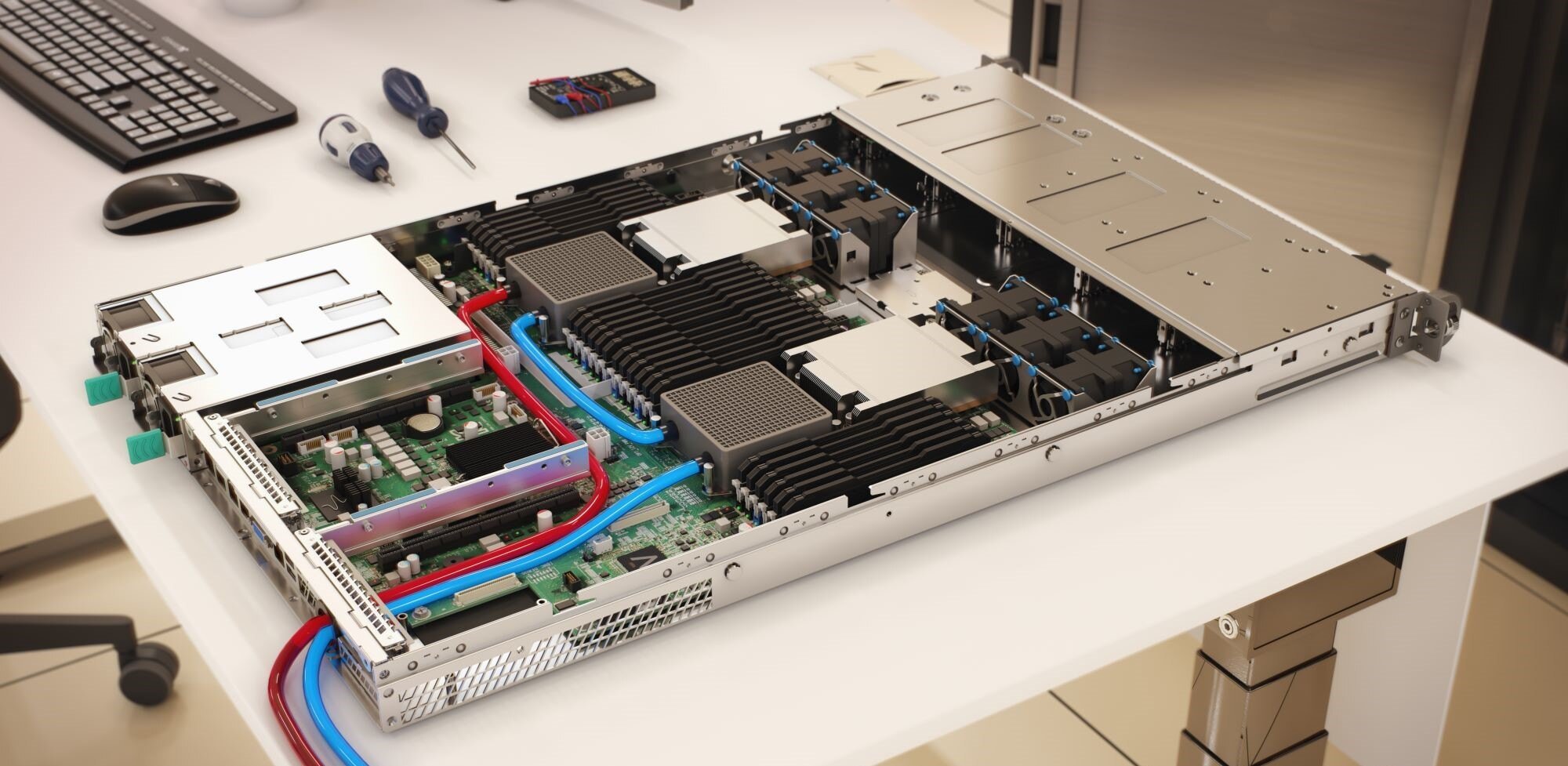
On November 27-28, 2025, the Chicago Mercantile Exchange (CME) suspended futures trading for over 11 hours due to a cooling system failure at a CyrusOne (CONE) data center in Chicago [1][15]. The outage disrupted critical markets including WTI crude, S&P 500 futures, and U.S. Treasuries, marking one of the longest in CME’s history [1]. While initial assessments led CME to delay failover to its New York backup facility [2], the event underscores growing infrastructure stress tied to AI workloads—global data center electricity demand is projected to double by 2030 due to AI, with rack density rising from 7kW to 16kW by 2025 [3][5]. This has accelerated adoption of liquid cooling solutions, as 53% of operators now prioritize them for high-density AI projects [5].
Cross-domain connections emerge: (1) Financial market reliability is increasingly dependent on data center infrastructure resilience; (2) AI’s indirect impact on financial operations via infrastructure stress is becoming more visible; (3) The shift from air to liquid cooling is no longer niche but a necessity for AI-driven data centers [5]. Additionally, CME’s decision to delay failover reflects the tension between low latency (critical for high-frequency trading) and disaster recovery resilience [2].
- Risks: CyrusOne (CONE) faces reputational and financial risks, with weak profitability (net margin: 2.10%, ROE:0.92%) and an analyst consensus target price 5.9% below current levels [9]. The CME outage may prompt regulatory scrutiny of critical financial market infrastructure [5].
- Opportunities: Comfort Systems USA (FIX), a provider of HVAC services for data centers, stands to benefit from increased investment in cooling infrastructure—its YTD performance is +127.99% with a 9.4% upside target [8]. Liquid cooling technology providers may also see growing demand [5].
The CME outage highlights the vulnerability of financial markets to data center infrastructure failures, exacerbated by AI’s growing power and cooling demands. Data center operators are under pressure to balance reliability with latency requirements, while HVAC and cooling solution providers face expanded opportunities. Investors should note the contrasting outlooks for CONE (negative) and FIX (positive) without making prescriptive decisions.
Insights are generated using AI models and historical data for informational purposes only. They do not constitute investment advice or recommendations. Past performance is not indicative of future results.
About us: Ginlix AI is the AI Investment Copilot powered by real data, bridging advanced AI with professional financial databases to provide verifiable, truth-based answers. Please use the chat box below to ask any financial question.