AI-Driven Memory Shortage: Strategic Investment Opportunities and Industry Analysis
Unlock More Features
Login to access AI-powered analysis, deep research reports and more advanced features
About us: Ginlix AI is the AI Investment Copilot powered by real data, bridging advanced AI with professional financial databases to provide verifiable, truth-based answers. Please use the chat box below to ask any financial question.
Related Stocks
On November 25, 2025 (EST), a Reddit thread asked about capitalizing on AI-driven memory shortages, focusing on
- Preference for established memory producers (Samsung, SK Hynix, Micron) over speculative plays
- Indirect benefits for equipment suppliers (ASML, Applied Materials)
- Debate over cyclical vs. sustained price hikes
- Concerns about cartel-like behavior among top producers
The thread reflects investor interest in aligning portfolios with AI’s structural demand for high-bandwidth memory (HBM) and conventional DRAM/NAND.
The AI-driven memory shortage has reshaped the semiconductor industry in late 2025:
- Demand Surge: HBM demand is projected to grow70% year-over-year(YoY) in 2025, while datacenter NAND demand rises >30% (TechInsights via web_search [0]).
- Price Volatility: Memory prices surged100%+in 2025 due to supply constraints (Tom’s Hardware via web_search [0]). DRAM contract prices are forecast to jump45-50% quarter-over-quarter (QoQ)in Q4 2025 (TrendForce via Sammyguru [2]).
- Production Shifts: Memory manufacturers are reallocating conventional DRAM lines to HBM production, exacerbating shortages for consumer-grade memory (Tom’s Hardware via web_search [0]).
- Supercycle vs. Cyclicality: Analysts debate whether the shortage is atemporary cyclical boom(Reddit thread) or a3-4 year supercycledriven by AI infrastructure investment (Hankyung via Bacloud [4]).
- Global DRAM market grew 30% QoQto $40.3B in Q3 2025 (YNA via web_search [2]).
- Wafer Fab Equipment (WFE) spending for memory is forecast to increase 12%to $37B in 2025 (Yahoo Finance via web_search [3]).
The DRAM market’s competitive hierarchy tightened in Q3 2025:
- Top Memory Producers:
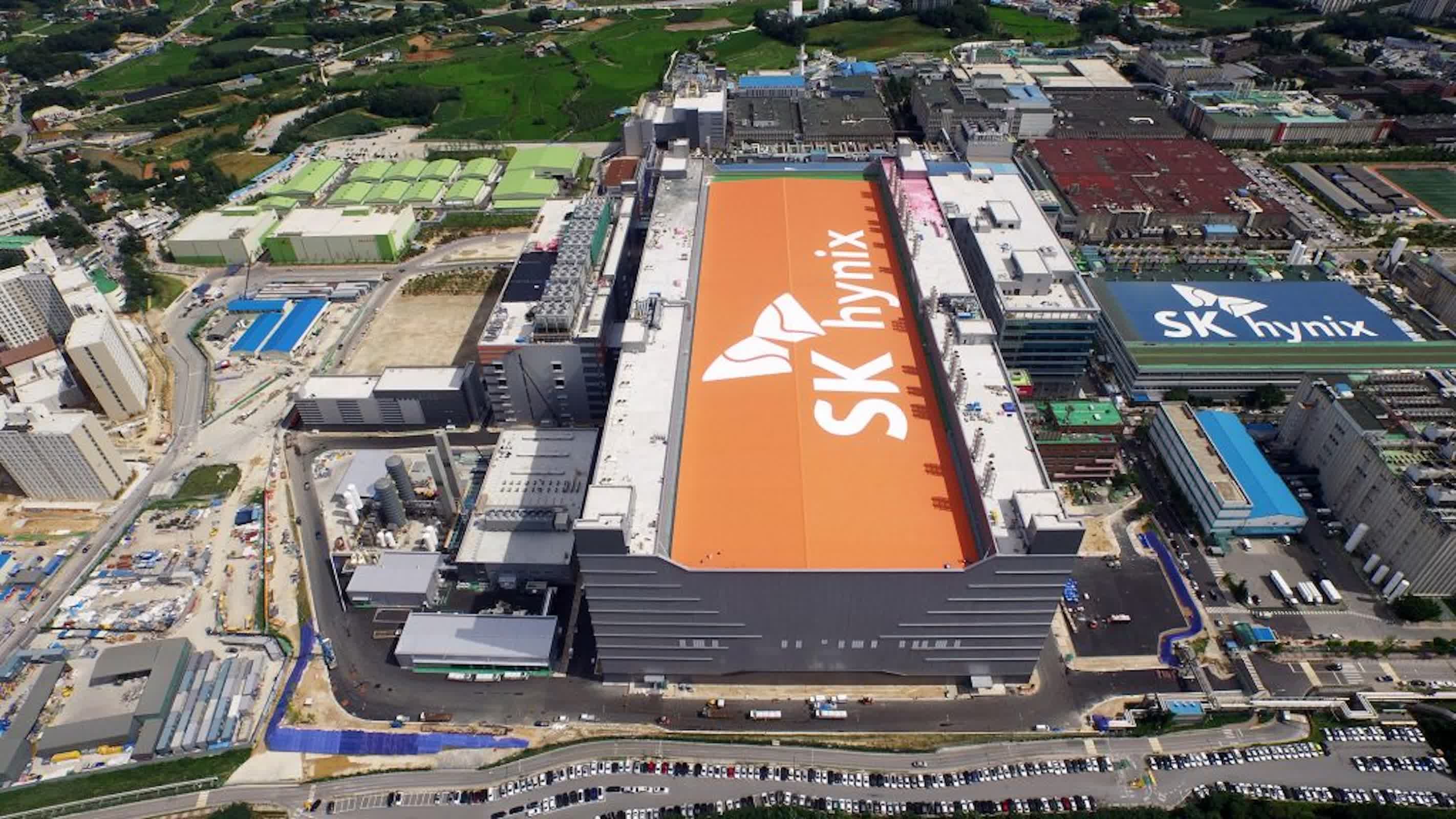
- SK Hynix: Led with 33.2-34.1%market share (TrendForce via Sammyguru [2], YNA [2]).
- Samsung: Close behind at 32.6-33.7%(TrendForce via KMJournal [2], YNA [2]), benefiting from expanded HBM supply to Nvidia and AMD (Sammyguru [2]).
- Micron: Held 25.8%share, with 53.2% QoQ revenue growth (Coincentral via web_search [2]).
- SK Hynix: Led with
- Equipment Suppliers:
- ASML: Dominated EUV lithography (de facto monopoly) with €5.4B in Q3 2025 bookings (2/3 from EUV systems; Yahoo Finance via web_search [3]).
- Applied Materials: DRAM revenues from leading-edge customers grew >50%in 2025 (Investing.com via web_search [3]), though constrained by export restrictions in China.
- Samsung narrowed the gap with SK Hynix in HBM production (Sammyguru [2]).
- Micron’s market share expanded by ~4 percentage points QoQ (Coincentral [2]).
- Product Launch Delays: Memory module manufacturers pushed new product releases to 2026 to mitigate price volatility (Tom’s Hardware via web_search [0]).
- Supply Chain Constraints: Dell, HP, and other tech firms warned of ongoing memory chip shortages in 2026 (Bloomberg via web_search [0]).
- Edge AI Preparation: Edge AI is expected to drive additional memory demand from 2026 onward (TechInsights via web_search [0]).
- Regulatory Risks: Applied Materials faced headwinds from export restrictions in China, limiting its addressable market (Investing.com via web_search [3]).
- Long-Term Investors: Established memory producers (Samsung, SK Hynix, Micron) are recommended for 10-year horizons (Reddit thread, analyst consensus for Micron:79% Buy[tool 1]). Equipment suppliers like ASML are also safe bets (ASML’s strong bookings).
- Short-Term Traders: Speculative plays (e.g., MU calls) are not advised due to cyclical risks (Reddit thread).
- Enterprises: CIOs should plan for sustained price hikes and supply constraints through 2026 (National CIO Review via web_search [0]).
- AI Demand Trajectory: Growth in HBM and datacenter memory will determine revenue trends.
- Production Allocation: Balancing HBM vs. conventional DRAM/NAND production to meet mixed demand.
- Cyclical Market Risks: Potential price corrections if AI investment cools or new capacity comes online.
- Regulatory Environment: Export restrictions (e.g., China for Applied Materials) and antitrust scrutiny (cartel-like behavior claims).
- Technological Innovation: Advancements in HBM (e.g., 12-layer HBM3E) and EUV lithography will shape competitive advantage.
Note: This report is for informational purposes only and does not constitute investment advice. Data is accurate as of the retrieval date and subject to change.
Last Updated: 2025-11-30 UTC.
Insights are generated using AI models and historical data for informational purposes only. They do not constitute investment advice or recommendations. Past performance is not indicative of future results.
About us: Ginlix AI is the AI Investment Copilot powered by real data, bridging advanced AI with professional financial databases to provide verifiable, truth-based answers. Please use the chat box below to ask any financial question.