AI-Driven Memory Shortage: Industry Impact, Key Players, and Investment Considerations
Unlock More Features
Login to access AI-powered analysis, deep research reports and more advanced features
About us: Ginlix AI is the AI Investment Copilot powered by real data, bridging advanced AI with professional financial databases to provide verifiable, truth-based answers. Please use the chat box below to ask any financial question.
Related Stocks
The AI-driven memory shortage has significantly impacted the semiconductor industry, with DRAM prices surging 171% year-over-year as of Q3 2025 [1]. This shortage is expected to persist until at least 2027 [2], driven by high demand from AI data centers. Top memory producers—Samsung, SK Hynix, and Micron—are capitalizing on this imbalance: Samsung raised memory chip prices by up to 60% in November 2025 [4], while SK Hynix plans an 8-fold boost to its cutting-edge 1c DRAM production by 2026 [3]. Equipment suppliers like ASML and Applied Materials are indirect beneficiaries, as their tools are essential for new fab builds [0].
- Concentration of Power: The top three memory producers dominate the market, allowing them to exercise pricing power during shortages [0].
- Indirect Beneficiaries: ASML (54% ROE) and AMAT (73.7% semiconductor systems revenue) gain from capacity expansions [8,9].
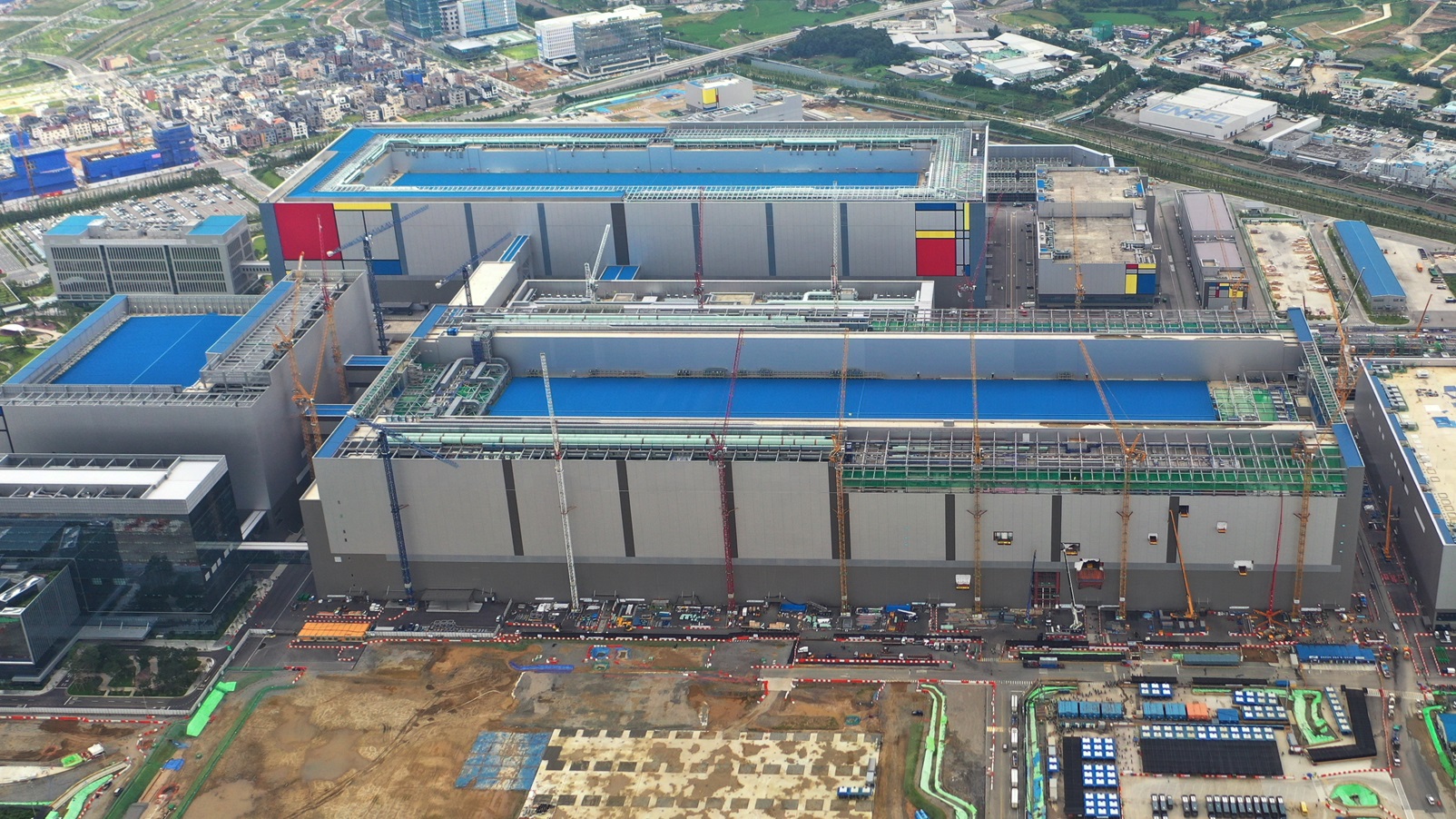
- Long-Term Capacity Expansion: New production lines (e.g., Samsung’s 2028 Pyeongtaek line) will ease shortages but take years to launch [6].
- Cyclical Risks: The industry’s boom-bust cycles mean current high prices may not be sustainable [0].
- Cyclical volatility: Historical boom-bust cycles pose long-term price decline risks [0].
- Capacity delays: New fabs take years to build, prolonging shortages and potential overcapacity [6].
- Regulatory scrutiny: Pricing power may attract antitrust attention [0].
- Short-term gains: Micron’s stock surged 170.79% YTD [8].
- Equipment suppliers: ASML and AMAT benefit from fab expansions [9,10].
- Long-term contracts: Tech firms sign 4-year supply agreements for stable revenue [1].
The AI-driven memory shortage creates short-term opportunities for established producers and equipment suppliers. However, the industry’s cyclical nature requires long-term sustainability considerations. Key players include Micron (MU), ASML, Applied Materials (AMAT), Samsung, and SK Hynix.
Insights are generated using AI models and historical data for informational purposes only. They do not constitute investment advice or recommendations. Past performance is not indicative of future results.
About us: Ginlix AI is the AI Investment Copilot powered by real data, bridging advanced AI with professional financial databases to provide verifiable, truth-based answers. Please use the chat box below to ask any financial question.