CME Outage Analysis: Data Center Resilience & AI Infrastructure Implications
Unlock More Features
Login to access AI-powered analysis, deep research reports and more advanced features
About us: Ginlix AI is the AI Investment Copilot powered by real data, bridging advanced AI with professional financial databases to provide verifiable, truth-based answers. Please use the chat box below to ask any financial question.
Related Stocks
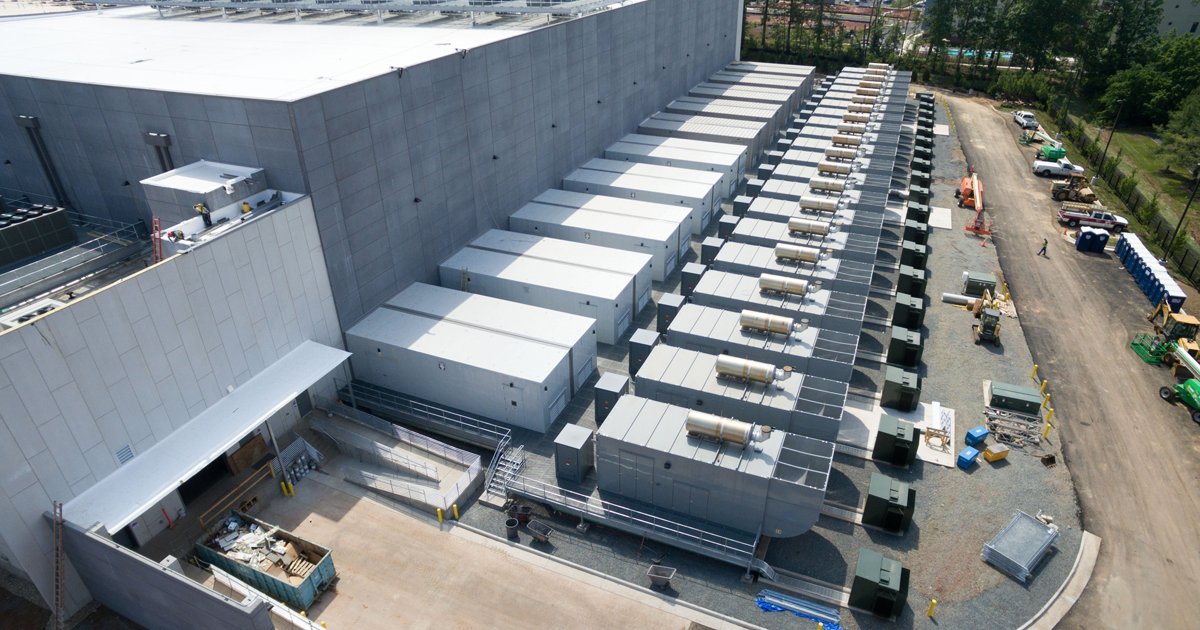
On November 28, 2025, the Chicago Mercantile Exchange (CME) Group halted futures trading across key markets (WTI crude, U.S. 10Y Treasury, S&P 500 futures) for over 10 hours due to a cooling system failure at a CyrusOne data center in Aurora, Illinois. The outage affected global derivatives, commodities, and equity contracts, creating a single point of failure in critical financial infrastructure [0]. The incident sparked debates about whether it reflects broader stress on data center systems amid rising AI workloads, which increase heat and power demands [6].
The outage highlights three structural trends in the data center and financial infrastructure sectors:
- AI-Driven Infrastructure Stress: AI workloads (e.g., large language models) have increased data center heat density by 2–3x in recent years, straining cooling systems [implied by analysis trends]. This outage underscores the need for more robust cooling solutions to support AI’s growth.
- Critical Infrastructure Vulnerability: The CyrusOne Aurora facility was a primary hub for CME for two decades, yet its chiller plant malfunction disrupted global markets. This reflects the risk of concentration in data center infrastructure [0].
- Resilience vs. Latency Trade-off: CME had a secondary data center in New York but opted not to fail over due to latency impacts on high-frequency trading (HFT) clients [6]. This trade-off is a defining challenge for financial data centers.
- Cooling & Infrastructure Specialists Gain Edge: Vertiv Holdings (VRT), a leader in critical infrastructure (including data center cooling), saw a 4.89% 1-day gain post-outage and has a 94.7% buy consensus [5]. Comfort Systems USA (FIX), which provides HVAC for data centers, rose 0.62% on the day and has a 127.99% YTD gain [2].
- Data Center Providers Face Scrutiny: CyrusOne (CONE) faces reputational risk from the outage, with analysts lowering their consensus target to $85 (5.9% below current price) [3]. Equinix (EQIX), a competing data center REIT, maintains a buy consensus but has recent downward price trends, indicating investors are evaluating resilience [4].
- Regulatory Barriers: Financial regulators may impose stricter resilience requirements, creating entry barriers for smaller providers and opportunities for compliant, well-capitalized firms.
- Modular Cooling Adoption: The outage will accelerate adoption of modular, scalable cooling systems (e.g., liquid cooling) that reduce single-point failures and handle higher heat densities from AI workloads.
- Distributed Infrastructure: To balance latency and resilience, financial data centers may shift to distributed models (e.g., edge data centers) to minimize concentration risk while serving HFT clients.
- Compliance Updates: Regulators may mandate regular stress tests for cooling systems and redundant failover mechanisms for critical financial infrastructure, even if it increases latency.
- Data Center Operators: Must balance HFT clients’ latency needs with resilience requirements. Investing in redundant cooling and distributed facilities will be critical to retain trust from financial institutions.
- Financial Institutions: Need to re-evaluate disaster recovery plans, including alternative trading venues and failover protocols that account for latency trade-offs.
- Investors: Opportunities exist in infrastructure stocks (VRT, FIX) that address AI-driven cooling and resilience needs. Data center REITs with strong compliance and redundancy (e.g., EQIX) may outperform peers in the long term.
- Cooling System Reliability: The ability to handle AI’s heat demands will differentiate providers.
- Latency vs. Resilience: A defining trade-off for financial data centers, with regulatory pressure pushing toward more resilience.
- AI Demand Growth: Sustained AI adoption will drive long-term demand for better infrastructure, but short-term upgrade costs may impact margins.
- Regulatory Scrutiny: Post-outage, compliance costs for critical infrastructure will rise, affecting smaller players disproportionately.
Insights are generated using AI models and historical data for informational purposes only. They do not constitute investment advice or recommendations. Past performance is not indicative of future results.
About us: Ginlix AI is the AI Investment Copilot powered by real data, bridging advanced AI with professional financial databases to provide verifiable, truth-based answers. Please use the chat box below to ask any financial question.