CME Futures Outage Analysis: Cooling Failure Highlights AI-Era Data Center Infrastructure Risks
Unlock More Features
Login to access AI-powered analysis, deep research reports and more advanced features
About us: Ginlix AI is the AI Investment Copilot powered by real data, bridging advanced AI with professional financial databases to provide verifiable, truth-based answers. Please use the chat box below to ask any financial question.
Related Stocks
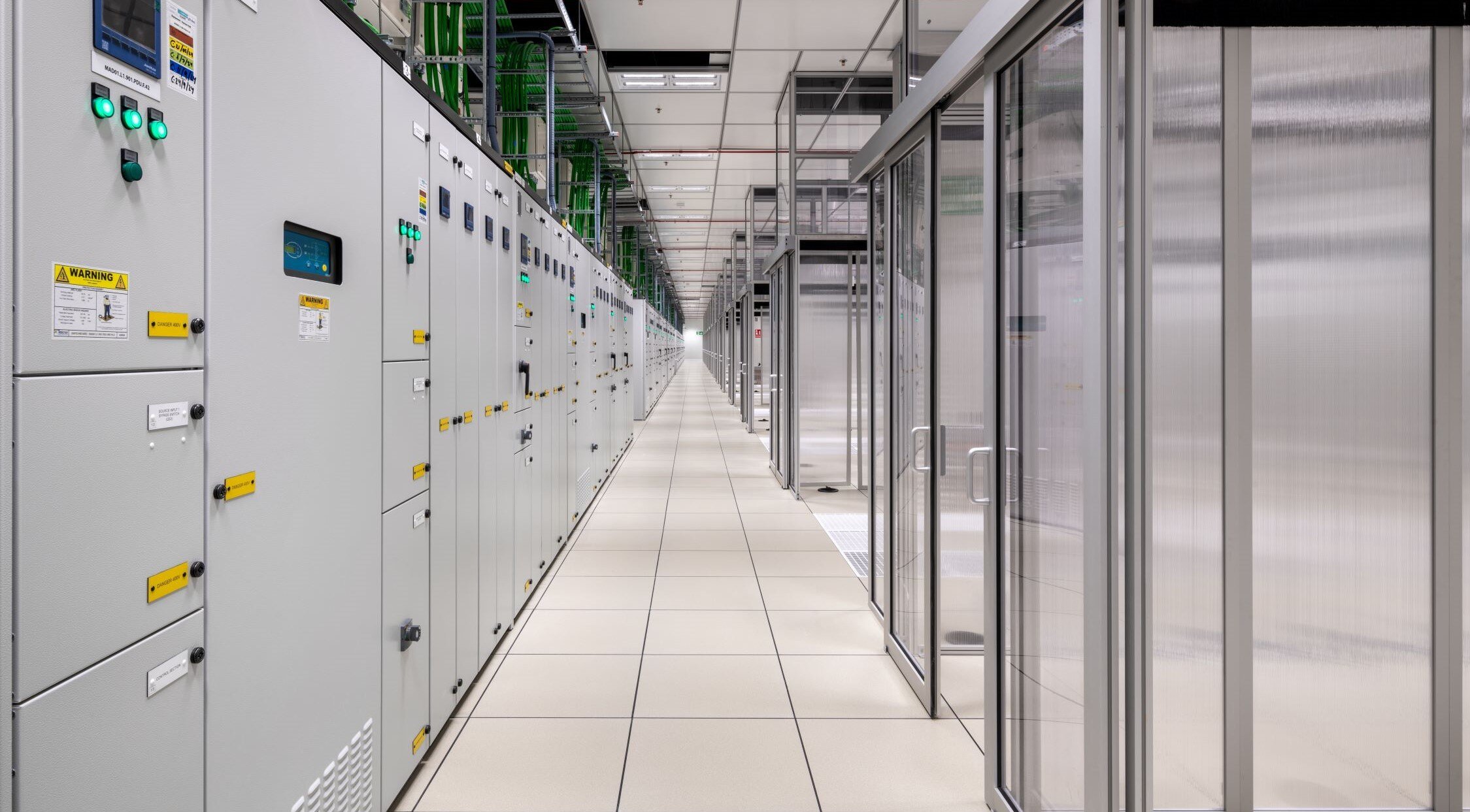
On November 28, 2025, CME Group halted futures trading across key assets (WTI crude, U.S. 10-Year Treasury, S&P futures) due to a cooling system failure at CyrusOne’s Chicago 1 data center [1][2]. The outage disrupted global derivatives markets, prompting CyrusOne to restore operations and install additional backup cooling capacity to enhance continuity [1]. The incident sparked discussions about whether it reflected a one-off tech issue or broader infrastructure stress driven by AI workloads.
The CME outage underscores growing concerns about AI-driven strain on data center infrastructure:
- Energy Demand Surge: The North American Electric Reliability Corporation (NERC)’s 2025–26 Winter Reliability Assessment identifies AI data centers as a central driver of a 20 GW increase in winter peak demand—double the growth in new resources to meet this need [3].
- Long-Term Projections: U.S. data centers could consume up to 9% of national electricity by 2030 (double today’s share), with AI workloads accounting for most of this growth [3].
- HVAC Growth Opportunity: AI data centers require robust cooling systems, creating a growth market for HVAC providers like Comfort Systems USA [6][8].
The outage reshapes competitive dynamics across key sectors:
- Data Center Operators: CyrusOne’s post-outage upgrades highlight the need for redundant cooling systems. Operators adopting advanced liquid cooling (more efficient for AI workloads) will gain a competitive edge [3].
- HVAC Providers: Comfort Systems USA (FIX) is a Zacks Rank 1 (Strong Buy) stock, having beaten earnings estimates in four consecutive quarters. It leverages AI for internal efficiency and external data center cooling solutions, with its stock rising nearly 20% in 2025 [6][7].
- Grid Operators: NERC’s warning pushes grid operators to prioritize flexible resource additions to handle AI-driven demand surges [3].
Key trends emerging from the event and broader data:
- Regulatory Scrutiny: States are demanding proof of data center feasibility before approving energy allocation, amid eye-popping demand forecasts [5].
- Advanced Cooling Adoption: Liquid cooling and other efficient technologies are critical for mitigating AI data center heat and energy use [3].
- AI Infrastructure Investment: A projected $500 billion investment in AI infrastructure over the next decade will drive growth for HVAC and data center operators [9].
- Grid Reliability Risks: NERC flags AI data centers as a major contributor to winter blackout risks in Texas, Michigan, and other regions [3].
- Data Center Operators: Redundant cooling systems are no longer optional—CyrusOne’s upgrades serve as a case study for resilience [1].
- HVAC Providers: Companies like Comfort Systems USA are well-positioned to capitalize on AI data center cooling demand [6][7].
- Traders: The CME outage highlights infrastructure risks that can disrupt global markets, requiring contingency plans.
- Policymakers: NERC’s warning mandates proactive grid planning to address AI-driven demand surges [3].
- Cooling System Resilience: Redundant, efficient cooling solutions are critical for data center uptime [1][3].
- Energy Efficiency: Advanced cooling (e.g., liquid cooling) is essential to reduce AI data center energy consumption [3].
- Regulatory Compliance: States are increasing scrutiny of data center energy demands, requiring operators to demonstrate project feasibility [5].
- AI Investment Trajectory: The $500 billion projected AI infrastructure investment will drive growth for HVAC and data center operators [9].
- Grid Capacity: Grid operators must expand capacity to support AI data center demand [3].
Insights are generated using AI models and historical data for informational purposes only. They do not constitute investment advice or recommendations. Past performance is not indicative of future results.
About us: Ginlix AI is the AI Investment Copilot powered by real data, bridging advanced AI with professional financial databases to provide verifiable, truth-based answers. Please use the chat box below to ask any financial question.