
2025 Oil Market Analysis: Shifting Dynamics and Price Outlook
Unlock More Features
Login to access AI-powered analysis, deep research reports and more advanced features
About us: Ginlix AI is the AI Investment Copilot powered by real data, bridging advanced AI with professional financial databases to provide verifiable, truth-based answers. Please use the chat box below to ask any financial question.
This analysis is based on the Forbes article by Michael Lynch (2025-12-02) [1], which argues that while current oil prices are not “cheap,” a shift from resource nationalism to resource rationalism could drive prices lower.
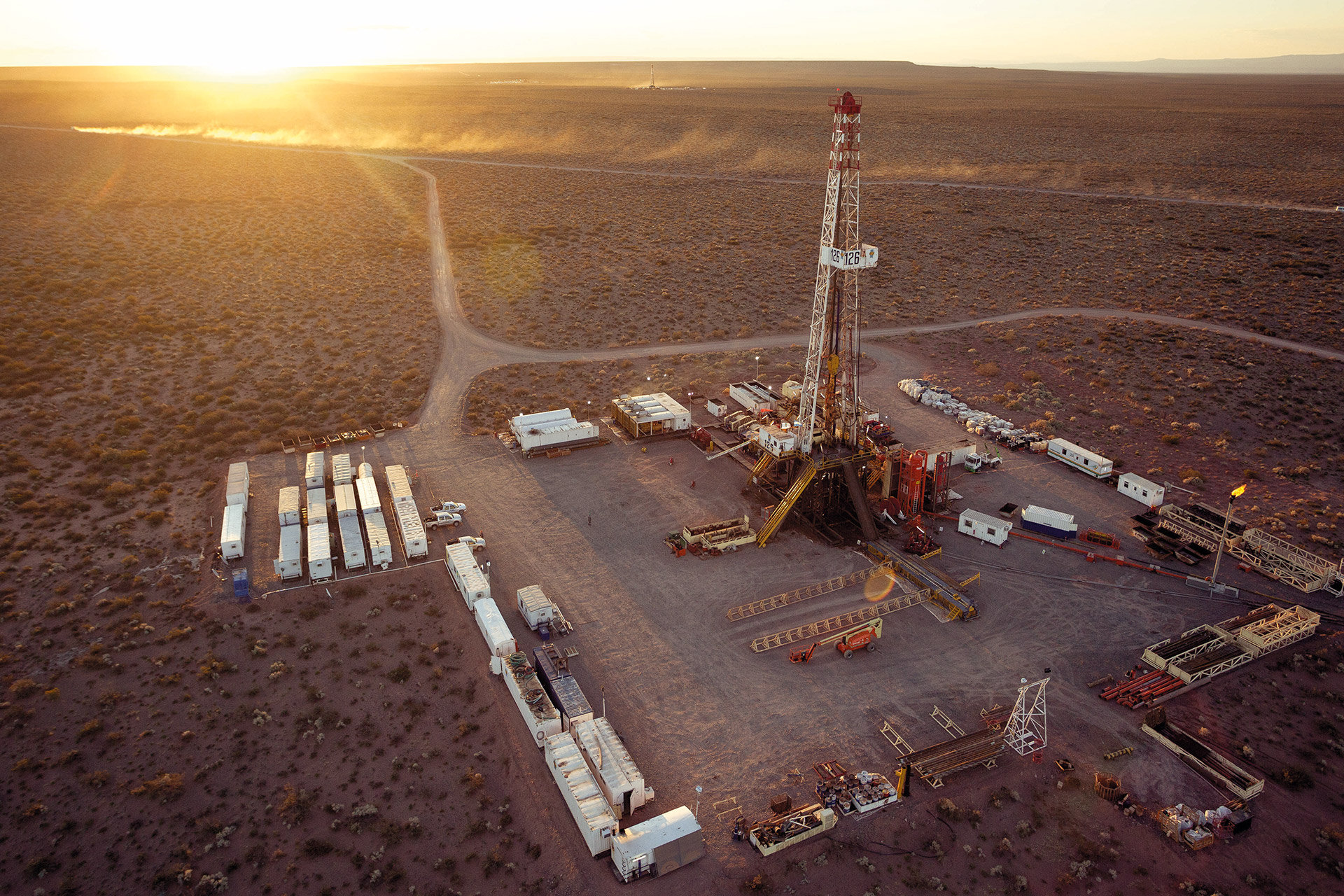
- Competitive Landscape Shift:OPEC+ (40% global supply in 2025) risks losing market share to non-OPEC shale producers like Argentina and Mexico. U.S. shale faces cost competition from Vaca Muerta’s lower labor costs [1].
- Strategic Adjustments:OPEC+ may shift from price defense to market share defense by maintaining/increasing output [3]. IOCs are investing in low-return shale projects (Vaca Muerta) while reducing high-cost deepwater exposure [5].
- Geopolitical Vulnerability:Sanction relief for Iran, Russia, or Venezuela could add 3-4M bpd, triggering a price collapse [1].
- Risks:High-cost producers (U.S. tight oil with break-evens >$50/bbl) face margin pressure [1]. Net exporters (Saudi Arabia, Russia) may experience revenue shortfalls [1].
- Opportunities:Consumers (transportation, manufacturing) benefit from lower fuel costs, reducing inflation [2]. Net importers (EU, India) improve trade balances [1]. Investors can shift to low-cost shale (Vaca Muerta) and renewables [5].
- Time Sensitivity:Short-term (3-6 months) oversupply concerns keep prices range-bound; medium-term (1-2 years) prices could fall to $50-$60/bbl [1].
- Current Prices:Brent ~$63.81/bbl, WTI ~$59.68/bbl (Nov 2025) [2]
- 2026 Forecast:Brent $56/bbl, WTI $52/bbl (Goldman Sachs) [4]
- Supply Drivers:OPEC+ output increases, Vaca Muerta shale growth, Mexico’s fracking reversal [1][3][5]
- Key Change:Shift from resource nationalism to resource rationalism reducing OPEC+ pricing power [1]
- Stakeholder Impacts:Producers (cost-dependent), consumers (benefit), governments (revenue/trade balance shifts) [1][2][5]
Insights are generated using AI models and historical data for informational purposes only. They do not constitute investment advice or recommendations. Past performance is not indicative of future results.
About us: Ginlix AI is the AI Investment Copilot powered by real data, bridging advanced AI with professional financial databases to provide verifiable, truth-based answers. Please use the chat box below to ask any financial question.