Tesla Shareholders Approve Musk's $1 Trillion Pay Package: Market Impact and Risk Analysis
Unlock More Features
Login to access AI-powered analysis, deep research reports and more advanced features
About us: Ginlix AI is the AI Investment Copilot powered by real data, bridging advanced AI with professional financial databases to provide verifiable, truth-based answers. Please use the chat box below to ask any financial question.
Related Stocks
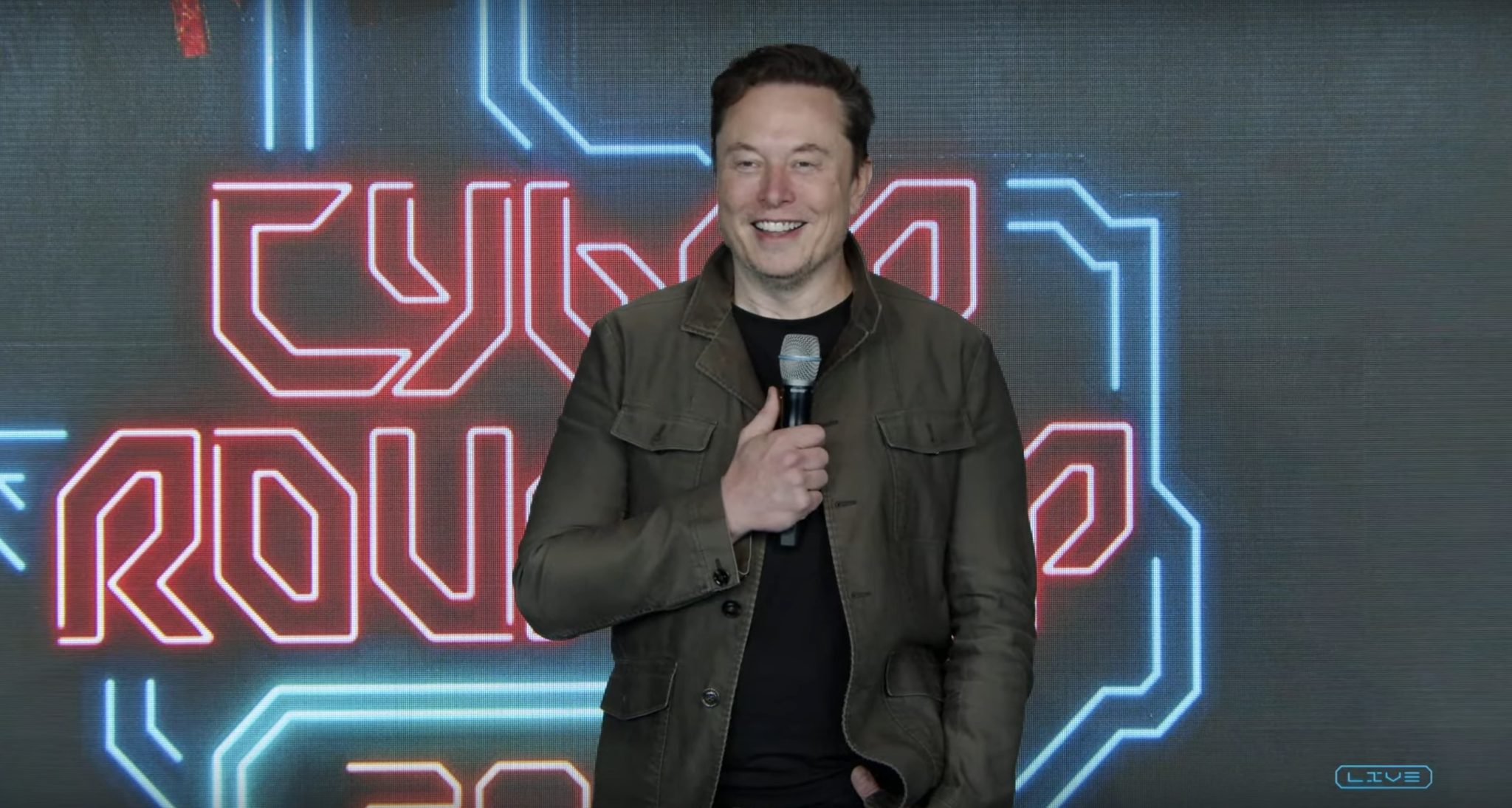
This analysis is based on the Yahoo Finance report [1] published on November 6, 2025, which reported Tesla shareholders’ approval of Elon Musk’s unprecedented compensation package. The approval occurred at Tesla’s annual shareholder meeting in Austin, Texas, where Musk expressed gratitude to supporters: “I’d like to give a heartfelt thanks to everyone who supported the shareholder votes. I super appreciate it” [1].
Despite the shareholder approval, Tesla’s stock declined 3.54% to $445.91 on November 6, 2025, underperforming broader market indices [0]. The stock showed volatility throughout the week, trading between $435.09 and $467.45, with elevated volume of 104.87M shares (vs. average 86.91M) [0]. This suggests the approval was largely priced in, with broader market factors dominating the trading session. The decline occurred alongside broader market weakness, with major indices all falling on November 6: S&P 500 (-0.99%), NASDAQ (-1.74%), and Dow Jones (-0.73%) [0].
The compensation package represents the largest in corporate history and includes potential value up to $1 trillion over the next decade, with Musk’s current stake of 13% potentially increasing to 25-29% [1][2][3]. The package requires Tesla to reach an $8.5 trillion market cap (vs. current $1.44 trillion) and achieve production goals of 1 million robotaxis in commercial operation and 1 million humanoid robots delivered [1][2][3].
Achieving an $8.5 trillion market cap would require Tesla to grow by nearly 500% from current levels, exceeding the combined market values of Meta, Microsoft, and Google-parent Alphabet [2]. This represents an extraordinary challenge given current automotive market saturation, increased competition in EV space, regulatory challenges, and economic uncertainties.
Despite the 75% approval, significant institutional opposition existed. Norway’s Sovereign Wealth Fund ($1.9 trillion) voted against, citing concerns about “total size of the award, dilution, and lack of mitigation of key person risk” [2]. Proxy advisors ISS and Glass Lewis also opposed the plan [Event Summary]. The approval comes amid ongoing legal challenges to Musk’s 2018 pay package, which was struck down by a Delaware judge due to lack of board independence and Musk’s problematic influence over negotiations [2].
Tesla’s current financial metrics show an extremely high P/E ratio of 234.69x, with revenue of $97.69B (FY2024), net profit margin of 5.55%, and ROE of 6.97% [0]. The high valuation suggests the market has already priced in significant growth expectations, making the additional growth targets required for the compensation package particularly challenging.
The analysis reveals several significant risk factors that warrant attention regarding Tesla’s ability to meet these ambitious targets [0]:
- Execution Risk: The production goals (1 million robotaxis, 1 million humanoid robots) are technologically ambitious with no clear path to commercialization
- Market Cap Reality: Reaching $8.5 trillion would make Tesla larger than today’s largest technology companies combined
- Key Person Dependency: The package increases Tesla’s dependency on Musk, creating significant succession risk
- Dilution Impact: Issuing up to 423 million shares could significantly dilute existing shareholders
- Regulatory Scrutiny: Both the 2018 and current packages face legal challenges that could create uncertainty
Critical missing information includes detailed performance metrics for each tranche beyond the broad $8.5 trillion market cap goal, specifics about “covered events” clauses that could allow payouts even if targets are missed, exact vesting schedule, and succession planning details.
Decision-makers should closely track quarterly progress toward production milestones, market cap growth trajectory vs. targets, legal developments regarding both compensation packages, board composition and governance practices, and competitive landscape developments in EV and autonomous driving.
The shareholder approval of Musk’s $1 trillion pay package represents a significant corporate governance event with wide-ranging implications. While the approval demonstrates strong shareholder support for Musk’s leadership, it also introduces substantial execution risks and governance concerns. The package’s extraordinary growth targets, combined with Tesla’s current high valuation and competitive pressures, create a challenging path forward. Market participants should monitor progress toward the stated milestones, legal developments, and governance practices while being aware of the significant key person risk and potential dilution impacts on existing shareholders.
Insights are generated using AI models and historical data for informational purposes only. They do not constitute investment advice or recommendations. Past performance is not indicative of future results.
About us: Ginlix AI is the AI Investment Copilot powered by real data, bridging advanced AI with professional financial databases to provide verifiable, truth-based answers. Please use the chat box below to ask any financial question.