Tesla Lost Over 1 Million U.S. EV Sales Due to Musk's Political Activities, Yale/NBER Study Finds
Unlock More Features
Login to access AI-powered analysis, deep research reports and more advanced features
About us: Ginlix AI is the AI Investment Copilot powered by real data, bridging advanced AI with professional financial databases to provide verifiable, truth-based answers. Please use the chat box below to ask any financial question.
Related Stocks
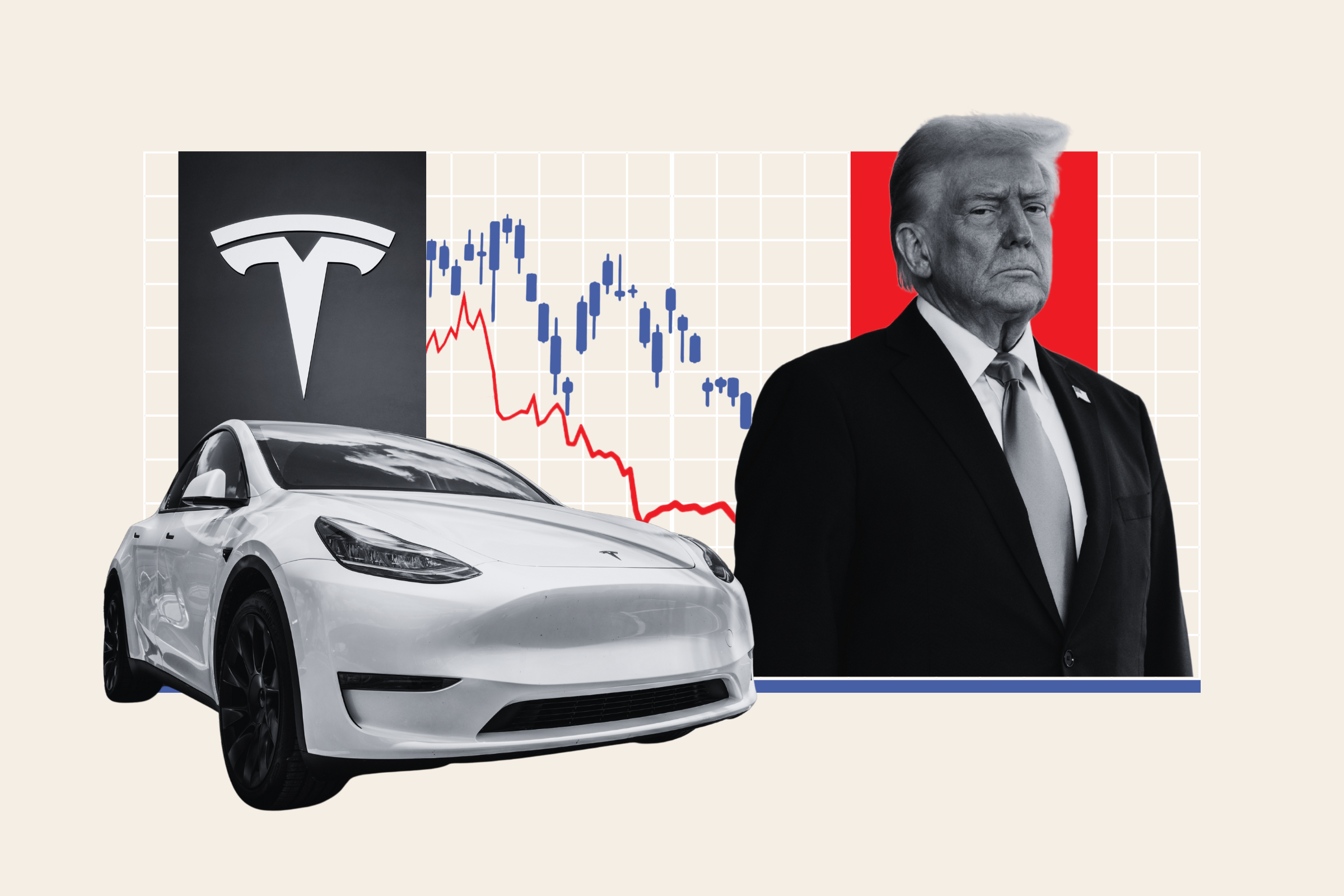
A groundbreaking study from Yale University economists published by the National Bureau of Economic Research (NBER) quantifies the significant financial impact of Elon Musk’s partisan political activities on Tesla’s U.S. sales performance. The research reveals that Tesla lost between 1-1.26 million electric vehicle sales from October 2022 to April 2025 due to what researchers term the “Musk partisan effect” – representing a 67-83% sales shortfall compared to what would have occurred without Musk’s political transformation.
The NBER working paper titled “The Musk Partisan Effect on Tesla Sales” utilized comprehensive county-level, monthly data on new vehicle registrations to analyze sales patterns across politically diverse regions. The researchers identified October 2022 – when Musk acquired Twitter (later rebranded as X) – as the critical turning point that marked his transformation from a “liberal-presenting” EV seller to a polarizing political figure.
According to the Reuters report, the study found that Tesla’s U.S. sales would have been 67-83% higher without the Musk partisan effect, translating to approximately 1-1.26 million additional vehicles sold during the analysis period.
The research demonstrates a clear correlation between Musk’s political activities and consumer purchasing decisions:
- Democratic Base Abandonment: Democratic-leaning counties, historically Tesla’s strongest customer base, showed declining Tesla sales while overall EV market growth continued, indicating political rather than market-driven factors
- Competitor Benefits: Musk’s partisan activities boosted competitors’ electric and hybrid vehicle sales by 17-22%, suggesting nearly one-for-one substitution patterns as Democratic buyers shifted to alternative brands
- Campaign Donations Impact: Musk’s $132 million in campaign donations to Trump and other conservative candidates further alienated Tesla’s core progressive customer base
As reported by Fortune, the study reveals that the partisan effect undermined California’s progress toward zero-emissions vehicle targets, creating broader environmental policy implications beyond Tesla’s commercial performance.
The Yahoo Finance analysis highlights how Tesla’s losses directly benefited competitors in the EV space. The research shows that as Tesla’s sales declined in Democratic-leaning areas, competing manufacturers captured nearly the full volume of lost sales, indicating strong brand substitutability among environmentally conscious consumers.
The Gizmodo coverage emphasizes that this represents one of the first quantified instances of CEO political activism directly impacting corporate sales performance at such scale, providing a case study in the intersection of executive behavior and consumer sentiment.
The Yale study reveals a fundamental realignment in the EV market where political considerations have become a primary factor in consumer purchasing decisions, particularly among the environmentally conscious demographic that historically drove Tesla’s early success. This suggests that brand identity in the EV sector may now be as influenced by political alignment as by product features or environmental benefits.
Tesla’s heavy reliance on a politically diverse customer base created inherent vulnerability to CEO polarization. The study demonstrates that Tesla’s market position is more susceptible to reputational risk than traditional automakers, as their brand identity remains more closely tied to Musk’s personal brand than to corporate messaging or product differentiation.
Beyond commercial implications, the research indicates that CEO political behavior can significantly impact broader environmental goals. The diversion of potential Tesla buyers to less efficient hybrid vehicles or competitors with different environmental footprints represents an unintended consequence of executive political activism.
- Continued Sales Erosion: The partisan effect may continue as long as Musk maintains his current political posture, potentially affecting future sales projections
- Market Share Loss: Competitors may permanently capture displaced Tesla customers, creating lasting market share shifts
- Brand Damage: Tesla’s brand perception among environmentally conscious consumers may require years to recover even if political positioning changes
- Brand Diversification: Tesla could develop sub-brand strategies to distance product lines from CEO politics
- Targeted Marketing: Focused outreach to politically diverse segments could mitigate partisan effects
- Leadership Communication: Enhanced corporate messaging separate from CEO political activities could help preserve broader market appeal
The study period ending in April 2025 suggests these effects remain current and ongoing. With Tesla facing increasing competition in the EV market and potential political polarization continuing through upcoming election cycles, addressing the partisan impact may become increasingly urgent for maintaining market leadership position.
The research provides Tesla’s board and investors with concrete data quantifying the financial impact of CEO political activities, potentially informing governance decisions about the relationship between executive behavior and shareholder value.
Insights are generated using AI models and historical data for informational purposes only. They do not constitute investment advice or recommendations. Past performance is not indicative of future results.
About us: Ginlix AI is the AI Investment Copilot powered by real data, bridging advanced AI with professional financial databases to provide verifiable, truth-based answers. Please use the chat box below to ask any financial question.