Dow Jones Industrial Average Crosses 50,000 Point Milestone in Historic Market Rally
Unlock More Features
Login to access AI-powered analysis, deep research reports and more advanced features
About us: Ginlix AI is the AI Investment Copilot powered by real data, bridging advanced AI with professional financial databases to provide verifiable, truth-based answers. Please use the chat box below to ask any financial question.
Related Stocks
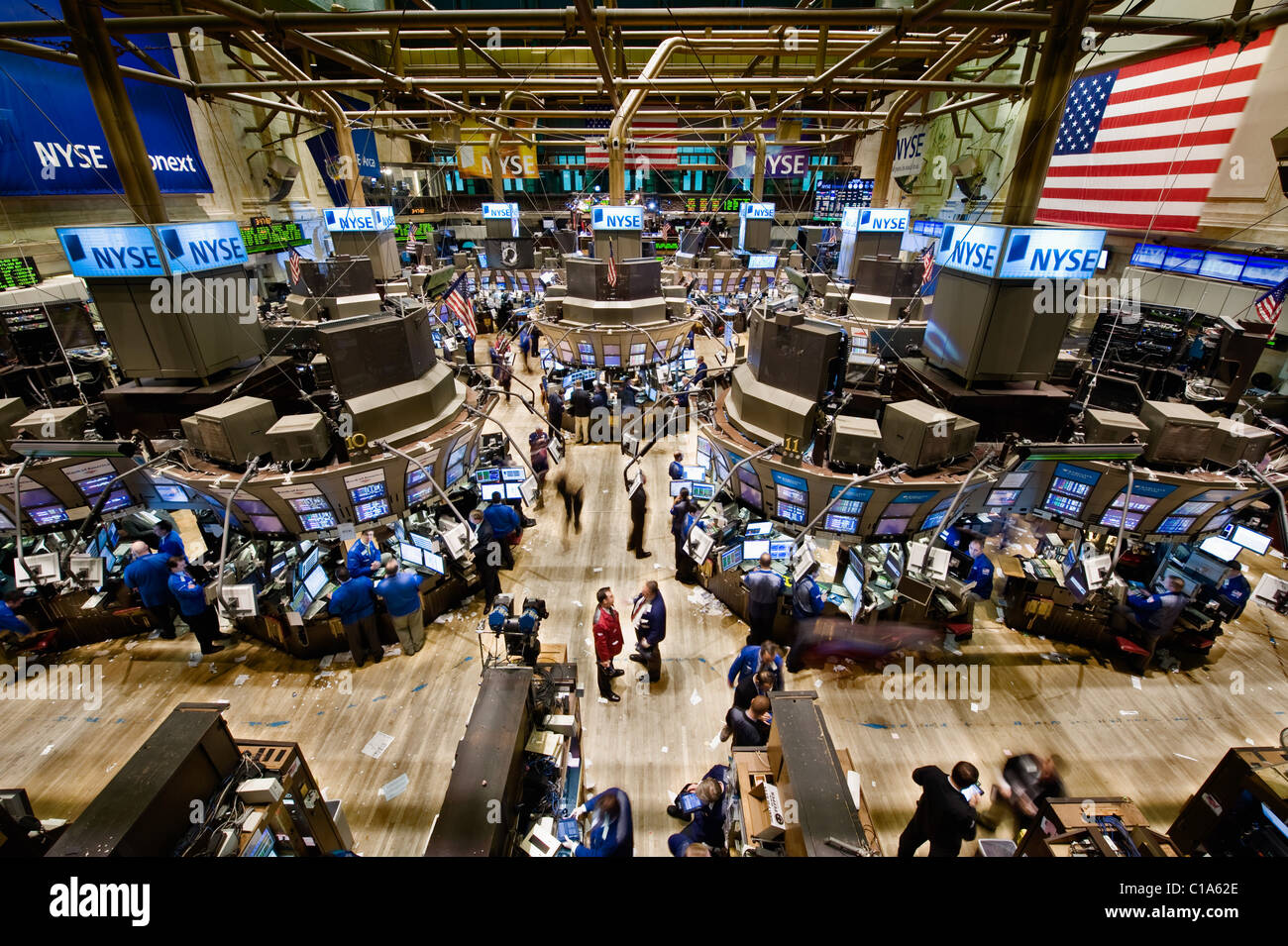
On February 6, 2026, the Dow Jones Industrial Average achieved a historic milestone, crossing the 50,000-point threshold for the first time in its 129-year history. The index closed at
This milestone represents the culmination of a remarkable multi-year bull market that has seen the Dow advance from 40,000 (May 2024) to 50,000 in approximately 20 months—the fastest 10,000-point gain in the index’s history [1][2].
The Dow’s historic advance was accompanied by strong gains across major indices, demonstrating widespread market participation. The Russell 2000’s outperformance (+2.18%) is particularly significant as it suggests the rally extended beyond large-cap stocks to small-caps, indicating genuine breadth in market participation [0].
| Index | Daily Change | Close |
|---|---|---|
Dow Jones Industrial |
+2.04% | 50,012.18 |
S&P 500 |
+1.54% | 6,921.83 |
NASDAQ Composite |
+1.62% | 22,990.97 |
Russell 2000 |
+2.18% | 2,668.22 |
The market rotation was clearly visible in sector performance, with value-oriented sectors significantly outperforming growth sectors. This rotation reflects investor confidence expanding beyond mega-cap tech to other economically-sensitive sectors [2].
| Sector | Performance |
|---|---|
Real Estate |
+2.84% |
Utilities |
+1.87% |
Healthcare |
+1.66% |
Consumer Defensive |
+1.42% |
Industrials |
+1.38% |
Financial Services |
+1.22% |
Technology |
+1.14% |
Consumer Cyclical |
+0.47% |
Communication Services |
-0.41% |
Energy |
-0.53% |
Basic Materials |
-1.51% |
The strong performance in value-oriented sectors (Real Estate, Utilities, Financials, Industrials) and relative weakness in Basic Materials and Energy indicates a clear rotation from growth to value investing [0].
Despite the headline referencing a “tech stocks rebound,” the sector’s +1.14% gain actually lagged the broader market. Individual tech stocks showed mixed performance, highlighting the selective nature of the tech rebound and ongoing concerns about high-valuation AI-focused companies [2]:
- NVIDIA (NVDA): +7.83% (leading the rebound)
- Intel (INTC): +4.72%
- Amazon (AMZN): -7.33% (significant drag on the sector)
The rally followed a three-day tech selloff, representing a technical bounce that cleared psychological resistance at 50,000 on strong volume (585.09 million shares, above recent averages) [0]. The exceptional market breadth—29 of 30 Dow components advancing—demonstrates the broad-based nature of this milestone achievement [1].
Investment professionals emphasized the significance of market broadening. According to Matt Dmytryszyn, Chief Investment Officer at Composition Wealth: “The positives of the Dow getting to that new milestone is it’s showing we’re seeing a broadening in the market” [2].
Rob Haworth of US Bank Asset Management noted: “Fundamentals remain solid…improving earnings growth and resilient consumer spending” [2]. Similarly, Jamie Dimon, CEO of JPMorgan, observed: “Consumers continue to spend, businesses remain healthy…markets underappreciate potential hazards”—a note of cautious optimism amid the celebration [2].
Key economic indicators supporting the rally include resilient consumer spending data, improving corporate earnings growth, optimism around AI adoption benefits, and expectations of potential Federal Reserve rate cuts later in 2026 [2].
Easing tensions in several geopolitical areas contributed to improved risk appetite, including improved Iran situation dynamics, EU-US trade negotiations progress, and Venezuela stability developments [2].
| Milestone | Date Achieved | Time to Next |
|---|---|---|
| 10,000 | May 1999 | ~14 years |
| 15,000 | May 2013 | ~4 years |
| 20,000 | January 2017 | ~3 years |
| 30,000 | November 2020 | ~3.5 years |
| 40,000 | May 2024 | ~20 months |
| 45,000 | December 2024 | ~2 months |
| 50,000 | February 2026 | — |
The acceleration from 40,000 to 50,000 represents the fastest 10,000-point gain in the index’s history, reflecting the powerful post-pandemic market rally and AI-driven growth expectations [2][3].
The Dow 50,000 milestone reveals several important market dynamics that extend beyond simple price appreciation:
The achievement of 50,000 points underscores the remarkable recovery from post-pandemic lows and the market’s optimism about the economic outlook. However, this milestone also serves as a reminder of the importance of diversification and disciplined risk management in extended bull markets [2].
This analysis is based on the Forbes report [1] published on February 6, 2026, which reported the Dow Jones Industrial Average crossing 50,000 for the first time, supported by complementary data from CNN Business [2] and internal market analytics [0].
The milestone reflects solid economic fundamentals, including resilient consumer spending and improving corporate earnings growth. The broad-based nature of the rally—with strong participation from financials, industrials, utilities, and healthcare alongside a selective tech rebound—suggests growing investor confidence in the sustainability of economic growth beyond the AI sector.
Market participants should monitor several key indicators going forward: Dow support levels in the 49,500-50,000 range, sector leadership sustainability, Federal Reserve communications regarding rate policy trajectory, and upcoming corporate earnings season for validation of market breadth improvements.
The achievement of 50,000 points represents both a celebration of market resilience and a reminder of the importance of valuation discipline and risk management in extended bull markets. Investors should maintain diversified portfolios while remaining attentive to the evolving leadership dynamics across market sectors.
Insights are generated using AI models and historical data for informational purposes only. They do not constitute investment advice or recommendations. Past performance is not indicative of future results.
About us: Ginlix AI is the AI Investment Copilot powered by real data, bridging advanced AI with professional financial databases to provide verifiable, truth-based answers. Please use the chat box below to ask any financial question.