Silver Surges 7% Amid Precious Metals Recovery After Historic Fed-Driven Crash
Unlock More Features
Login to access AI-powered analysis, deep research reports and more advanced features
About us: Ginlix AI is the AI Investment Copilot powered by real data, bridging advanced AI with professional financial databases to provide verifiable, truth-based answers. Please use the chat box below to ask any financial question.
Related Stocks
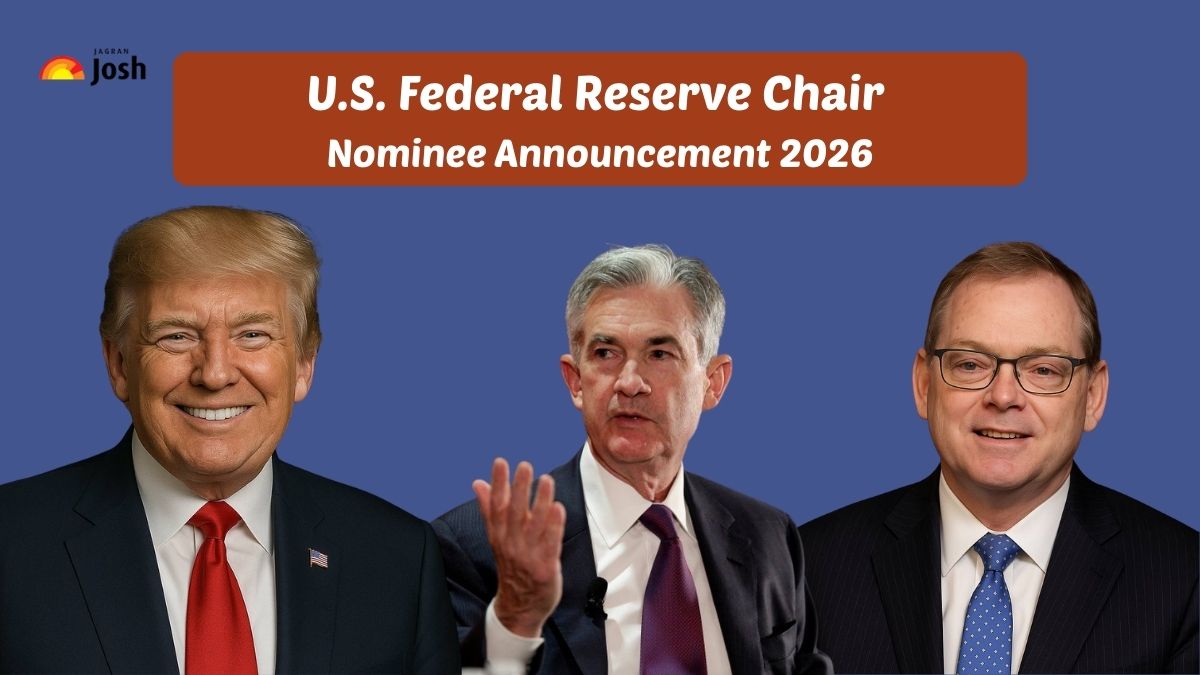
The February 9 silver surge of 7% represents a pronounced technical rebound following an extraordinary market event triggered by monetary policy speculation. On January 30, 2026, President Trump’s nomination of Kevin Warsh as Federal Reserve Chair created immediate market disruption, with the dollar strengthening and precious metals experiencing their most severe single-day decline in decades [1]. This event demonstrated the heightened sensitivity of precious metals to Federal Reserve leadership changes and the resulting implications for interest rate policy expectations.
The causal chain connecting the Kevin Warsh nomination to precious metals prices operates through multiple channels. First, Warsh’s reputation as an “inflation fighter” raised expectations for a more hawkish Federal Reserve stance, which traditionally strengthens the dollar and pressures gold-denominated assets [2]. Second, the potential for higher interest rates reduces the opportunity cost of holding non-yielding precious metals, prompting institutional reallocation. Third, margin requirement changes during the sell-off accelerated the decline by forcing position liquidations, creating a cascading effect that magnified price movements beyond what fundamental factors alone would suggest [3].
The recovery phase from January 31 through February 9 illustrates how quickly sentiment can shift in the precious metals market. Silver bottomed near $70 per ounce during the crash but recovered to above $85 by the end of the same trading session, demonstrating the volatile nature of these assets during periods of policy uncertainty [2]. By February 3, silver traded at approximately $88.10 per ounce, representing a $6.43 increase from the previous session [4]. The February 9 surge of 7% further solidified the recovery trend, suggesting that underlying bullish fundamentals remain intact despite short-term volatility.
The precious metals crash and subsequent recovery have created cascading effects across multiple market segments, with mining equities experiencing amplified volatility due to their leveraged exposure to commodity prices. Newmont Corporation (NEM) declined approximately 11.5% during the crash period, while Freeport-McMoRan (FCX) fell roughly 7.5%, reflecting the direct correlation between mining company valuations and underlying metal prices [2]. These declines exceeded the percentage drops in the metals themselves, highlighting the multiplier effect that operating leverage creates for mining company earnings.
The ETF complex surrounding precious metals experienced similar turbulence, with silver-focused products like SLV and leveraged silver ETFs (AGQ) absorbing substantial trading volume during both the crash and recovery phases. Gold ETFs including GLD and IAU similarly reflected the underlying metal’s price action while providing investors with liquid alternatives to physical holdings. The trading volumes observed during this period suggest heightened investor interest in precious metals as both a speculative vehicle and a portfolio hedge, with institutional participation remaining significant throughout the volatility [3].
Industrial demand factors provide a fundamental backdrop that distinguishes the current precious metals environment from previous cycles. Silver demand is projected to grow at a 3-5% compound annual growth rate, potentially reaching 1.12 billion ounces in 2025, driven largely by electronics manufacturing and photovoltaic applications [3]. This industrial consumption base provides structural support for silver prices that did not exist during earlier periods of significant price volatility, potentially limiting the depth of future corrections even as it amplifies gains during recovery phases.
Analyst price targets for precious metals reveal significant divergence that reflects uncertainty about the path of Federal Reserve policy under new leadership. J.P. Morgan projects gold at $5,055 per ounce by Q4 2026, while Goldman Sachs establishes a base case of $4,900 with upside potential above $5,000 [3]. Deutsche Bank presents the most optimistic scenario at $6,000 per ounce, representing approximately 25-30% upside from pre-crash levels. This range of forecasts underscores the sensitivity of precious metals pricing to monetary policy expectations and the difficulty of projecting outcomes in an environment of elevated uncertainty.
Silver price targets show even wider dispersion, reflecting the metal’s dual nature as both a monetary and industrial asset. Bank of America establishes a base case range of $56-$65 per ounce with upside potential to $70+, while J.P. Morgan takes a more conservative stance at $58 per ounce [3]. GoldSilver.com identifies an above-$100 per ounce scenario that would represent a return to record territory on a sustained basis. The variance among these forecasts suggests that investors should approach precious metals with a range-based perspective rather than relying on single-point projections.
The disconnect between analyst targets and current trading levels highlights the potential for continued recovery, though the pace and sustainability of that recovery remain uncertain. If the fundamental drivers that propelled gold and silver to record highs—central bank buying, geopolitical uncertainty, and inflation concerns—remain intact, the market may resume its upward trajectory. However, a sustained dollar rally or indications of more moderate Federal Reserve policy could cap upside potential and introduce additional volatility.
Technical analysis of silver as of early February 2026 revealed subdued momentum, with the Relative Strength Index (RSI) at 40 and the Stochastic Oscillator at 24 [5]. These readings indicated that silver was in a downtrend with momentum indicators suggesting limited upside potential in the near term, though this assessment preceded the February 9 recovery surge. Support levels were identified at $71.00, $71.50, and $72.00, while resistance clustered around $72.50, $73.00, and $73.50, establishing a trading range that investors might use for position management [5].
The margin requirement dynamics that amplified the January crash merit particular attention for understanding future volatility potential. When exchanges increase margin requirements during periods of price stress, leveraged positions face强制平仓 pressure that can accelerate price declines regardless of fundamental value [3]. Understanding these mechanics helps explain the magnitude of the January decline and suggests that similar dynamics could emerge during future periods of market stress, making position sizing and risk management particularly important for precious metals exposure.
Central bank buying patterns provide structural support that differentiates the current cycle from historical precious metals rallies. Central banks accumulated approximately 290-300 tonnes of gold in 2025, providing consistent demand that absorbs mine supply and supports prices during periods of private sector selling [3]. The sustainability of this buying pattern represents a key variable for longer-term price projections, as increased central bank selling could offset retail and institutional demand.
The 31.4% single-day decline in silver during late January demonstrates the extreme volatility potential inherent in precious metals markets, particularly during periods of policy uncertainty. This magnitude of movement in a single session represents an order of disruption that can rapidly erode portfolio values and trigger forced liquidation dynamics [2]. Investors should recognize that precious metals can experience rapid, significant price movements in response to geopolitical developments or monetary policy announcements, making position sizing critical for risk management.
The inverse correlation between the dollar and precious metals creates currency risk that can rapidly erode positions regardless of underlying commodity fundamentals. The dollar strengthening following the Warsh nomination directly pressured gold and silver prices, illustrating how currency dynamics can overwhelm other factors in the short term [2]. This relationship suggests that dollar trajectory monitoring should be a component of any precious metals investment thesis, particularly during periods of monetary policy transition.
Liquidity conditions during sharp sell-offs can deteriorate rapidly, potentially making it difficult to execute trades at favorable prices. The combination of increased volatility and declining liquidity during the January crash created execution challenges for investors seeking to adjust positions, highlighting the importance of maintaining adequate liquidity buffers and avoiding over-leveraged positioning [2]. These conditions can recur during future periods of market stress, warranting careful attention to position management.
The February 9 recovery surge of 7% suggests that underlying bullish sentiment remains intact despite the January crash, with technical buying and short-covering contributing to the rebound. If risk-off flows resume due to geopolitical developments or economic concerns, precious metals could reclaim and potentially exceed their pre-crash highs [1]. The institutional forecasts suggesting 15-30% upside potential from current levels indicate that professional analysts see value in the post-crash price environment [3].
The continuation of central bank buying provides a structural demand floor that did not exist during previous precious metals cycles. With central banks adding 290-300 tonnes annually, this demand absorption helps offset potential selling from other sources and provides a baseline of support for prices [3]. This structural factor differentiates the current environment and may limit downside during future periods of volatility.
Industrial demand growth, particularly in the photovoltaic and electronics sectors, creates fundamental support for silver prices that extends beyond investment demand dynamics. The projected 3-5% CAGR in silver demand suggests that consumption growth could contribute to price appreciation independent of monetary policy and currency movements [3]. This dual driver structure—combining investment and industrial demand—provides multiple sources of potential price support.
The precious metals market experienced extraordinary volatility in late January and early February 2026, with silver surging 7% on February 9 following a historic crash triggered by Kevin Warsh’s Federal Reserve Chair nomination. The January 30-31 decline saw silver plunge 31.4%-39% and gold fall 11.4%-16%, marking the worst single-day performance for both metals since the 1980s [1][2]. Mining equities including Newmont (NEM) and Freeport-McMoRan (FCX) experienced amplified declines during this period, reflecting the leveraged nature of mining company earnings relative to commodity prices.
Analyst price targets for 2026 range from $4,900-$6,000 per ounce for gold and $56-$100 per ounce for silver, indicating significant upside potential if risk-off flows resume and central bank buying continues [3]. Technical indicators as of early February showed subdued momentum, though this preceded the February 9 recovery surge [5]. Key factors to monitor include Federal Reserve policy signals under new leadership, central bank buying patterns, geopolitical developments, and key support and resistance levels for both gold and silver.
The fundamental backdrop supporting precious metals includes continued central bank accumulation (290-300 tonnes in 2025), projected silver demand growth of 3-5% CAGR, and persistent geopolitical uncertainty [3]. These structural factors differentiate the current cycle and may provide support during future periods of volatility, though currency dynamics and interest rate expectations continue to exert significant short-term influence on prices.
Insights are generated using AI models and historical data for informational purposes only. They do not constitute investment advice or recommendations. Past performance is not indicative of future results.
About us: Ginlix AI is the AI Investment Copilot powered by real data, bridging advanced AI with professional financial databases to provide verifiable, truth-based answers. Please use the chat box below to ask any financial question.