January 2026 US Jobs Report: Market Implications and Trump Administration Assessment
Unlock More Features
Login to access AI-powered analysis, deep research reports and more advanced features
About us: Ginlix AI is the AI Investment Copilot powered by real data, bridging advanced AI with professional financial databases to provide verifiable, truth-based answers. Please use the chat box below to ask any financial question.
Related Stocks
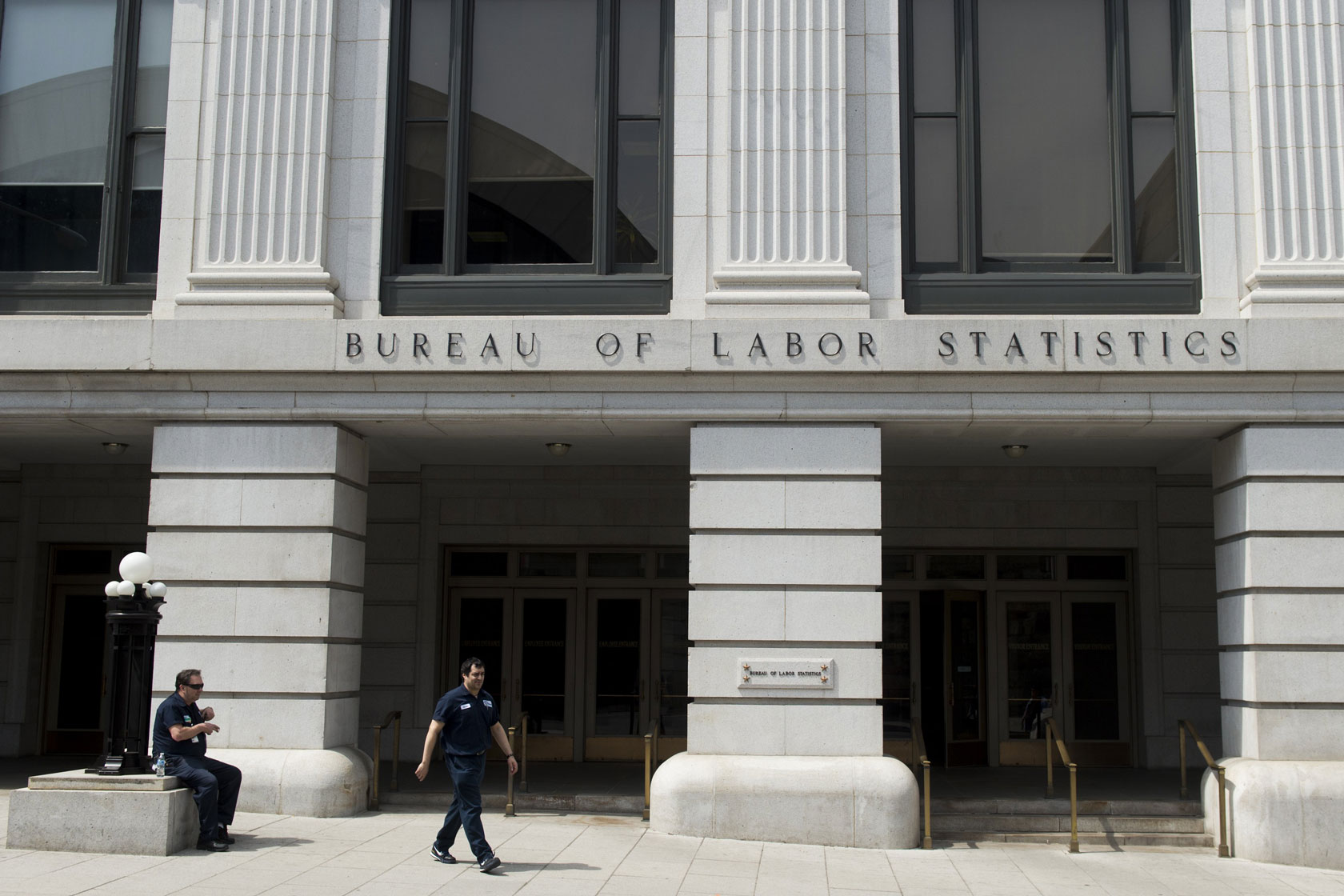
The January 2026 U.S. employment situation report, published on February 11, 2026, arrived with unprecedented timing delays stemming from a brief federal government shutdown that postponed the standard February 6 release date [1][4]. This jobs report carries particular significance as one of the first major economic indicators released under the new Trump administration, serving as a benchmark for assessing campaign promises regarding manufacturing revival, federal workforce restructuring, and economic policy effectiveness.
The employment data revealed American companies added a net new 130,000 positions during January, substantially exceeding analyst expectations that ranged from approximately 70,000 to 100,000 payroll additions [1][2][3]. This figure represents the strongest monthly job creation since December 2024, suggesting the labor market entered 2026 with more robust momentum than many forecasters anticipated. Simultaneously, the unemployment rate contracted to 4.3% from December’s 4.4% reading, indicating continued progress toward the Federal Reserve’s full employment mandate [2][3].
The January employment data reveals a labor market characterized by significant sectoral divergence, with healthcare and construction industries compensating for continued federal government workforce reductions and persistent private-sector hiring weakness.
Beneath the headline 130,000 net job gain figure, private payroll growth of only 22,000 positions—compared against expectations of approximately 45,000 additions—reveals underlying private-sector softness [4]. The disparity between headline strength and private-sector weakness underscores the statistical distortion created by federal government workforce changes and the concentrated healthcare sector performance.
The 108,435 layoffs recorded during January 2026, combined with the 130,000 net job additions, indicates significant labor market churn with substantial hiring and firing activity occurring simultaneously [4]. This dynamic suggests a restructuring economy where certain sectors contract while others expand, creating winners and losers across the employment landscape.
Average hourly earnings increased 3.7% year-over-year in January, maintaining a pace that continues to outstrip the Consumer Price Index inflation rate while remaining consistent with the Federal Reserve’s 2% price stability objective over the longer term [2][3]. This wage growth trajectory supports household purchasing power and consumer spending capacity, though the relationship between wage gains and inflation dynamics remains complex given ongoing tariff implementation effects “flowing through prices” [4].
The 6.542 million job openings reported for January represent a five-year low, suggesting the labor market has shifted from the tight conditions that characterized 2022-2023 toward a more balanced employment environment [4]. Declining job openings historically precede reduced hiring rates and potentially rising unemployment, warranting close observation in subsequent months.
The Barron’s headline encapsulates the paradoxical nature of this employment report for financial markets and the Trump administration [1]. From a political perspective, robust job creation validates the incoming administration’s economic policy approach and provides supporting evidence for campaign promises of economic revitalization. The unemployment rate decline to 4.3% and the manufacturing sector’s return to job growth offer tangible accomplishments that can be highlighted in communications and policy defense.
However, from a market perspective and an interest rate policy standpoint, the strong jobs data creates complications. The January employment figures substantially exceed the threshold that Federal Reserve officials have indicated would warrant consideration of interest rate reductions. Samuel Tombs of Pantheon Macro characterized a March Federal Reserve rate cut as “no longer tenable” following the jobs report [3], representing a significant shift in market expectations that previously anticipated rate reduction possibilities in the first half of 2026.
The 10-year Treasury yield increased to approximately 4.20% following the jobs data release, rising from pre-report levels near 4.15% [2]. This yield increase reflects market repricing of Federal Reserve policy expectations, with traders reducing probability weights on early 2026 rate cuts.
Market expectations have shifted from anticipating first quarter or first half 2026 rate reductions toward a mid-2026 timeline, with some analysts now projecting the initial Fed cut may not occur until July 2026 or later [3]. The jobs report provides Federal Reserve officials with cover to maintain their restrictive monetary policy stance, as robust employment data supports the narrative that the economy remains resilient despite elevated interest rates.
President Trump has been described as “aggressive” in urging lower interest rates [3], creating potential tension with Federal Reserve independence as the administration seeks accommodative monetary policy to support economic growth initiatives. Future rate cut timing may depend substantially on the trajectory of inflation data and any leadership changes at the Federal Reserve, particularly regarding the potential appointment of Kevin Warsh as Fed chair to replace Chair Powell [3].
The Guardian reported that total 2025 job growth was revised downward to 181,000 from an initially reported 584,000—a revision of approximately 400,000 positions [4]. The magnitude of this revision raises questions about data quality, seasonal adjustment methodologies, and the accuracy of preliminary estimates. Such substantial revisions undermine confidence in near-term economic indicators and suggest that policymakers and market participants should interpret initial estimates with appropriate caution.
The February 11 market reaction revealed a pronounced rotation away from interest-rate-sensitive sectors and toward defensive categories [0]:
- Basic Materials (+1.38%)outperformed, potentially reflecting inflation-hedge positioning and construction sector employment strength
- Consumer Defensive (+1.27%)benefited from defensive positioning amid rate-hike concerns
- Technology (-1.33%)declined, consistent with elevated discount rate impacts on growth sector valuations
- Financial Services (-1.60%)experienced the steepest sector decline, reflecting compressed net interest margins under prolonged higher rate expectations
This sector rotation pattern suggests investors are recalibrating portfolios for a higher-for-longer interest rate environment, with implications for asset allocation strategies across growth and value orientations.
The January 2026 U.S. jobs report presents a multifaceted economic picture requiring careful interpretation across multiple dimensions. The headline figures—130,000 net job additions and 4.3% unemployment—indicate a labor market maintaining resilience despite elevated interest rates and ongoing policy transitions. However, sectoral divergence, private-sector hiring weakness beneath the headline number, and significant data revisions complicate straightforward interpretation.
For market participants, the employment report shifts expectations regarding Federal Reserve policy timing, potentially extending the period of elevated interest rates into mid-2026 or later. This repricing creates sector rotation implications, with interest-sensitive categories facing headwinds while defensive and domestically-focused sectors may receive relative support.
The political implications for the Trump administration center on the manufacturing sector revival—a campaign promise receiving potential validation through the first factory job increase since November 2024—offset by reduced rate cut prospects that complicate economic growth objectives. The “Good News, Kind Of” characterization captures this nuanced outcome effectively: labor market strength validates economic vitality while simultaneously limiting monetary policy accommodation that markets and the administration had anticipated.
Key data points for decision-making include the unemployment rate trajectory (4.3% represents improvement but remains above historical lows), private payroll growth monitoring (22,000 versus 45,000 expected indicates private-sector caution), wage growth sustainability (3.7% supports consumers while potentially influencing inflation), and sector employment trends (healthcare concentration versus manufacturing revival). The February 2026 employment report will provide crucial follow-up data to assess whether January’s manufacturing gain represents trend or anomaly.
[0] Ginlix Analytical Database - Market Indices and Sector Performance Data
[1] Barron’s - “Trump Gets ‘Good News’ Boost for the Stock Market From Jobs Report. Kind Of.” (https://www.barrons.com/articles/trump-gets-good-news-stock-market-kind-of-12665934)
[2] New York Times - “Jobs Report Live Updates: U.S. Hiring Starts the Year at a Strong Pace” (https://www.nytimes.com/live/2026/02/11/business/jobs-report-economy)
[3] Politico - “Job growth in January beats expectations, keeping Fed on hold” (https://www.politico.com/news/2026/02/11/jobs-report-january-economy-00775732)
[4] The Guardian - “US added 130000 jobs in January, surpassing expectations as 2025 revisions weigh” (https://www.theguardian.com/business/2026/feb/11/delayed-us-january-jobs-report)
Insights are generated using AI models and historical data for informational purposes only. They do not constitute investment advice or recommendations. Past performance is not indicative of future results.
About us: Ginlix AI is the AI Investment Copilot powered by real data, bridging advanced AI with professional financial databases to provide verifiable, truth-based answers. Please use the chat box below to ask any financial question.