U.S. Consumer Price Index Analysis: January 2026 Inflation Data
Unlock More Features
Login to access AI-powered analysis, deep research reports and more advanced features
About us: Ginlix AI is the AI Investment Copilot powered by real data, bridging advanced AI with professional financial databases to provide verifiable, truth-based answers. Please use the chat box below to ask any financial question.
The January 2026 Consumer Price Index report, released on February 13, 2026, marks a significant milestone in the U.S. economic recovery trajectory. Headline inflation declined to 2.4% year-over-year, representing a notable cooling from December’s 2.7% reading, while core CPI (excluding food and energy) settled at 2.5% [1]. This convergence toward the Federal Reserve’s 2% target provides crucial policy flexibility while simultaneously validating the central bank’s patient approach to monetary normalization.
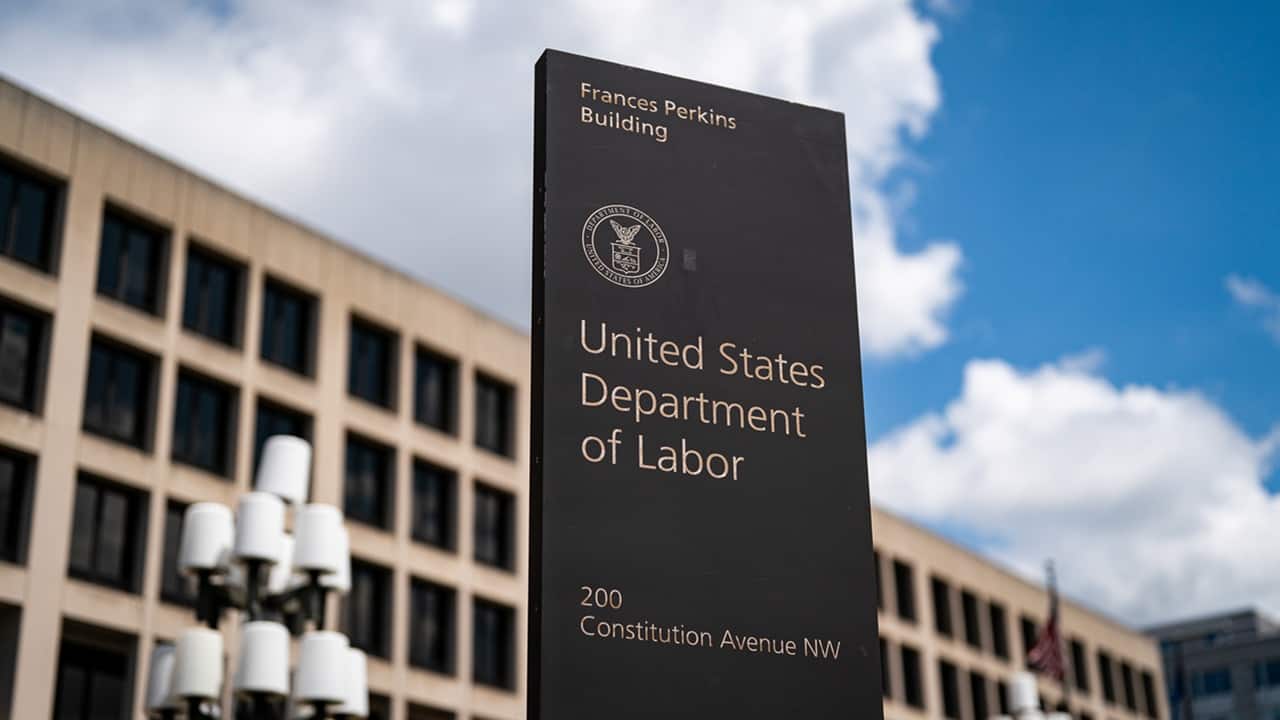
The data carries particular significance given the contextual backdrop of elevated uncertainty. The report was delayed by two days due to a brief government shutdown, introducing potential reporting biases that the Bureau of Labor Statistics acknowledged may require backward revisions [2]. Despite these technical concerns, the underlying inflation trend demonstrates encouraging moderation across multiple dimensions.
Energy prices emerged as the primary disinflation driver, with the overall energy index declining 0.1% year-over-year and falling 1.5% month-over-month—the first monthly decline in a year [1]. Gasoline prices experienced the most substantial relief, dropping 7.5% year-over-year and 3.2% month-over-month, representing a meaningful windfall for consumer purchasing power. However, this masks persistent structural pressures in utility costs, where electricity rose 6.3% year-over-year and natural gas surged 9.8% year-over-year, indicating asymmetric energy inflation dynamics [1].
The food sector presents a more nuanced picture. Food at home prices increased 2.9% year-over-year, while food away from home (restaurant prices) rose 4.0%—continuing to outpace grocery inflation [1]. This divergence suggests that food service operators continue passing along substantial cost increases to consumers, even as input pressures moderate. Notably, meats, poultry, and fish prices surged 7.0% year-over-year, representing a significant strain on protein purchasing for budget-conscious households [1].
Shelter costs remained the largest contributor to headline inflation, with the shelter index rising 3.0% year-over-year and 0.2% month-over-month [1]. This persistent upward pressure reflects structural supply-demand imbalances in housing markets across major metropolitan areas, particularly in high-cost coastal cities. The Los Angeles area reported all-items CPI-U advancing 3.0% for the 12 months ending January, with the index for all items less food and energy at 3.1%—underscoring significant regional variation in inflation pressures [6].
The January 2026 CPI report presents a comprehensively positive inflation picture while highlighting persistent structural challenges. Headline inflation declined to 2.4% year-over-year, marking the lowest reading since early 2021, while core inflation at 2.5% represents the slowest pace of core inflation increase since April 2021 [3]. The month-over-month readings of +0.2% headline and +0.3% core indicate manageable monthly inflation pressures.
For consumers, gasoline price relief provides meaningful near-term benefit, though grocery bills remain elevated with restaurant costs continuing to outpace grocery price increases. Housing costs continue to strain household budgets across major metropolitan areas, with shelter inflation at 3.0% year-over-year representing the largest single contributor to headline inflation.
For businesses, input cost pressures are easing but remain present, particularly in the services sector. The interest rate environment likely remains restrictive through the first quarter of 2026, with trade policy uncertainty continuing to complicate supply chain planning. The expected June rate cut timeline provides forward guidance for capital allocation decisions.
For investors, the Federal Reserve’s likely maintenance of restrictive policy through spring, combined with two expected rate cuts by year-end, provides a clear monetary policy framework. Equity markets may find support from the easing inflation narrative, while bond markets could benefit from yield compression as rate cut expectations materialize. The dollar strength observed throughout 2025 may moderate as rate differentials narrow, potentially benefiting international equity allocations.
Insights are generated using AI models and historical data for informational purposes only. They do not constitute investment advice or recommendations. Past performance is not indicative of future results.
About us: Ginlix AI is the AI Investment Copilot powered by real data, bridging advanced AI with professional financial databases to provide verifiable, truth-based answers. Please use the chat box below to ask any financial question.