U.S. Futures Edge Up as Public Holidays Dim Trading - Presidents Day 2026
Unlock More Features
Login to access AI-powered analysis, deep research reports and more advanced features
About us: Ginlix AI is the AI Investment Copilot powered by real data, bridging advanced AI with professional financial databases to provide verifiable, truth-based answers. Please use the chat box below to ask any financial question.
This analysis examines the simultaneous market closures across major global economies on February 16, 2026, and the implications for global trading activity.
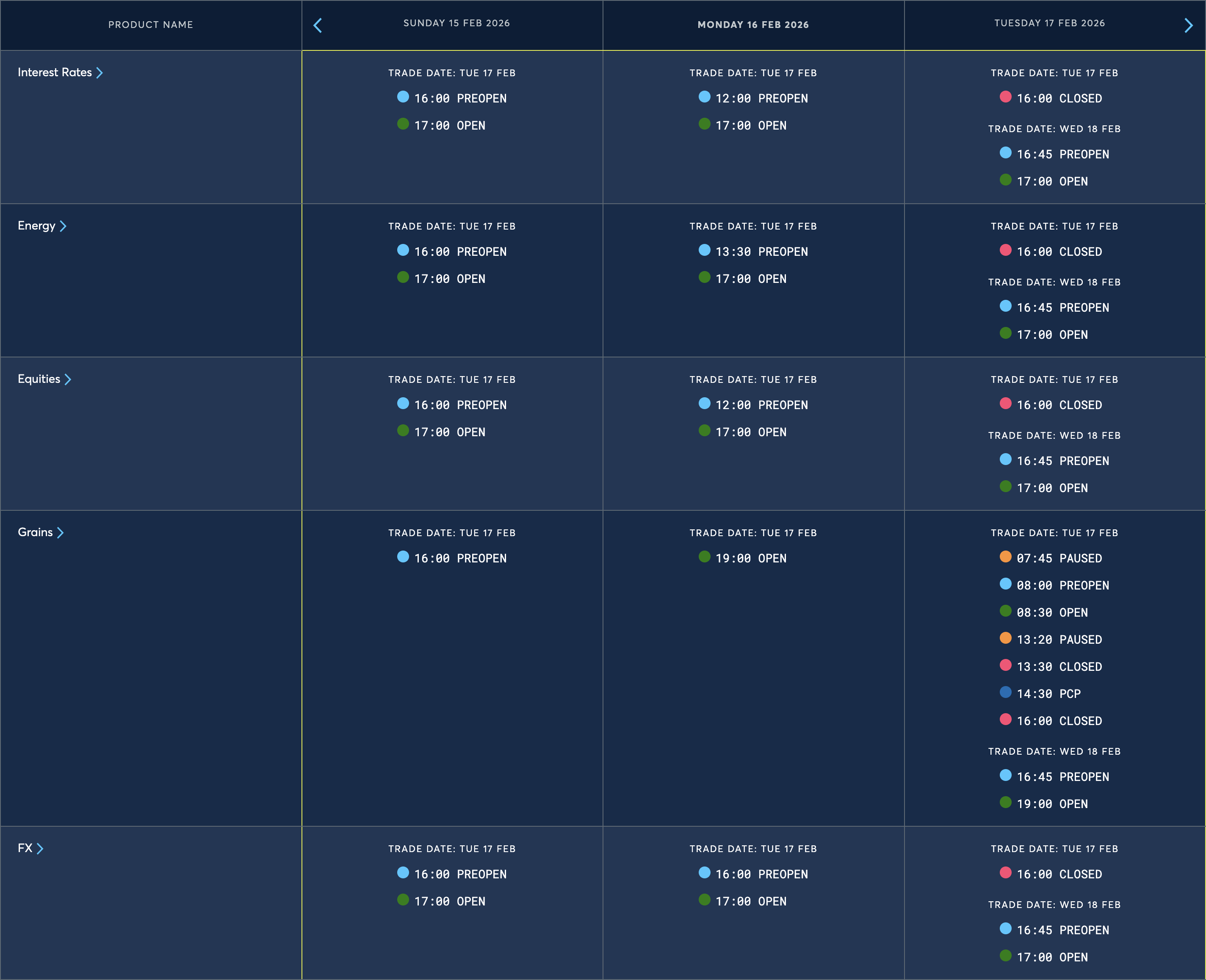
On Presidents Day 2026, U.S. equity and bond markets shuttered for the federal holiday, while U.S. equity futures tied to major indices rose modestly in European trading sessions [1]. This bullish futures movement despite limited market participation suggests underlying positive sentiment among investors. Simultaneously, Lunar New Year celebrations closed trading floors across Asia, affecting Mainland China, Hong Kong, South Korea, and Taiwan [2][4].
The convergence of U.S. Presidents Day with Asian Lunar New Year created a rare trading vacuum, with both the world’s largest economy (United States) and the second-largest (China) markets simultaneously closed. This dual-holiday pattern represents an unusual occurrence that significantly impacts global liquidity conditions.
- NYSE and Nasdaq closed for Presidents Day [2][3]
- Bond markets also observing the holiday
- Regular trading resumed February 17 at 9:30 AM Eastern Time [3]
- China (Mainland):Shanghai Stock Exchange and Shenzhen Stock Exchange closed February 16-23, 2026 (8-day Lunar New Year holiday) [2][4]
- Hong Kong:Half-day trading February 16, full closure February 17-19 [2]
- South Korea:Closed for Lunar New Year [2][4]
- Taiwan:Closed for Lunar New Year [4]
- Singapore:Half-day session February 16, full holidays February 17-18 [2]
Recent market data indicates [0]:
- S&P 500:Experiencing recent volatility with daily moves ranging from -1.01% to +0.44%
- NASDAQ Composite:Showing similar patterns, down -1.43% on recent sessions but recovering
- Dow Jones Industrial Average:Trading within the 46,500-47,700 range
The modest futures gains during the holiday period suggest investors maintain a generally bullish outlook despite the market closures.
The overlap of Presidents Day with Lunar New Year on February 16, 2026, created a unique market environment:
-
Liquidity Vacuum:The simultaneous closure of both U.S. and Chinese markets resulted in significantly reduced global trading liquidity. European markets, though open, experienced muted activity as investors awaited the resumption of trading in major economies.
-
Historical Rarity:This convergence is relatively uncommon, making the event notable for unusual liquidity conditions and potential for increased volatility upon market reopenings.
-
Regional Impact Differences:While U.S. markets reopened the following day, Asian markets faced an extended closure—China’s 8-day holiday represents the longest scheduled market break in the region.
According to market coverage, Presidents Day marks one of nine total market holidays in 2026 [3]. There are seven more days after Presidents Day when both NYSE and Nasdaq will be closed throughout the remainder of the year [3].
- Volume Normalization:Expect higher than average volumes on February 17 as pent-up trading demand releases following the holiday
- Asian Market Catch-Up:Chinese markets will have 8 days of untraded news to process when they reopen February 24
- Economic Data Backlog:Any economic indicators released during the holiday period may have exaggerated impact due to delayed market reaction
- Historical patterns suggest potential for post-holiday volatility plays
- Limited cross-market arbitrage opportunities during the dual-closure period may create pricing inefficiencies
- Extended Asian holiday may delay reaction to late-February economic data, potentially extending current market trends
The primary risk factors include:
- Elevated volatility expectations upon dual-market reopenings
- Potential for rapid position adjustments as traders catch up on accumulated news
- Asian market participants may face heightened volatility when markets reopen after the extended 8-day closure in China
This analysis is based on the Wall Street Journal report [1] published on February 16, 2026, which documented the simultaneous observance of Presidents Day in the United States and Lunar New Year across Asia. The modest rise in U.S. equity futures during European trading sessions despite market closures indicates underlying positive investor sentiment. The dual-holiday convergence created significant global liquidity reduction, with both the world’s largest and second-largest equity markets simultaneously closed—a relatively rare occurrence that warrants attention for its impact on trading dynamics and potential volatility upon market reopenings.
Key regional closure timelines include U.S. markets reopening February 17, while Asian markets gradually resume trading through February 24 (when China Mainland markets reopen). This information supports informed decision-making regarding trading strategy adjustments around holiday periods and potential volatility positioning.
Insights are generated using AI models and historical data for informational purposes only. They do not constitute investment advice or recommendations. Past performance is not indicative of future results.
About us: Ginlix AI is the AI Investment Copilot powered by real data, bridging advanced AI with professional financial databases to provide verifiable, truth-based answers. Please use the chat box below to ask any financial question.