Oil Prices Swing on Middle East: Iraq-Turkey Exports Resume While South Pars Gas Field Hit
Unlock More Features
Login to access AI-powered analysis, deep research reports and more advanced features
About us: Ginlix AI is the AI Investment Copilot powered by real data, bridging advanced AI with professional financial databases to provide verifiable, truth-based answers. Please use the chat box below to ask any financial question.
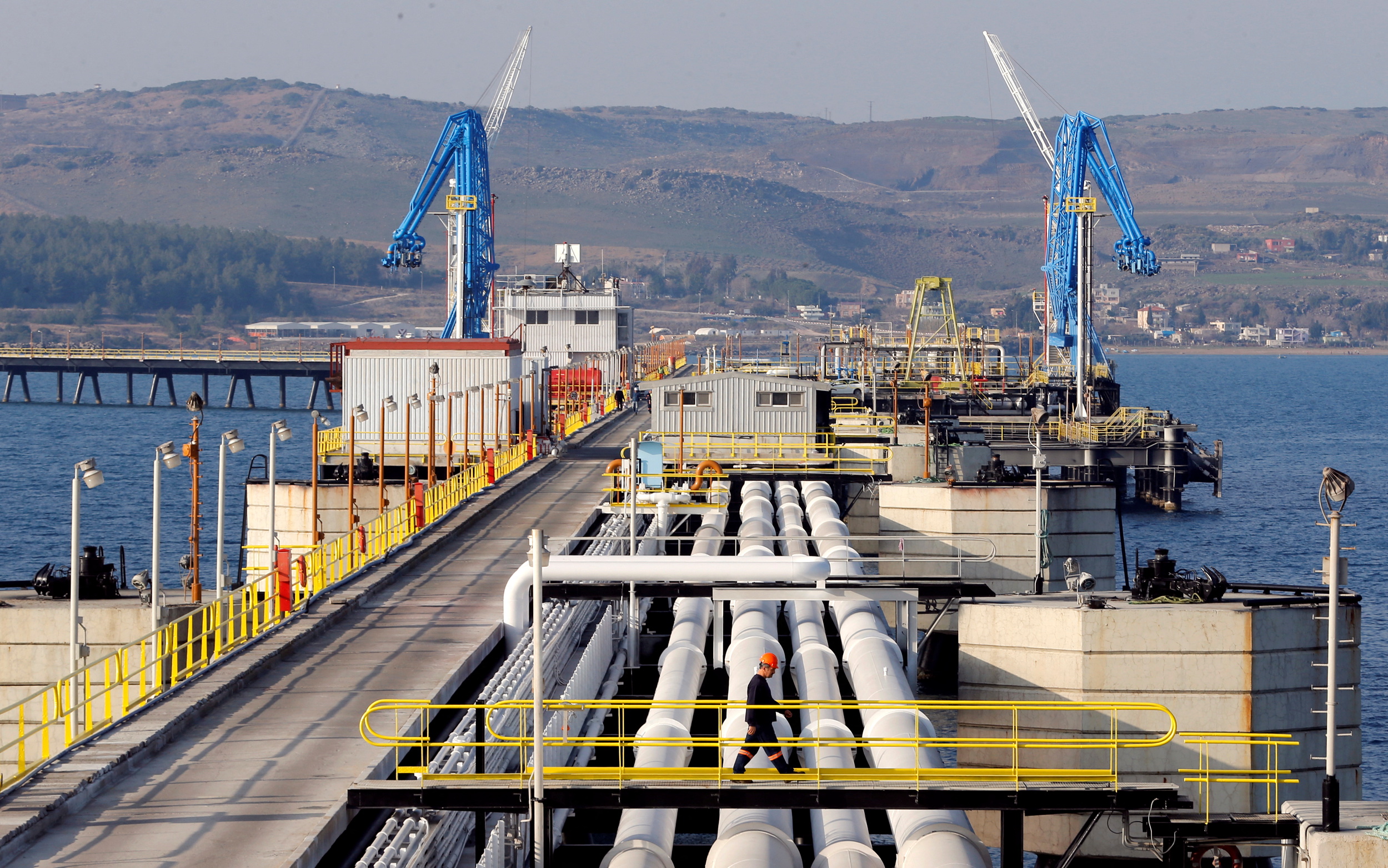
Oil prices experienced significant volatility on March 18, 2026, as markets digested competing Middle East developments. This event represents a classic tug-of-war between supply-side pressures and geopolitical escalation, creating substantial market uncertainty [1][2].
The interaction between these two forces created the price swing observed in early trading. Brent crude fell below $101 per barrel following the Iraq-Turkey deal announcement, retreating from a 3% gain logged on Tuesday [1]. West Texas Intermediate (WTI) traded near $92 per barrel [1]. Notably, oil had recently surpassed $100 per barrel for the first time since 2022, driven primarily by Iran war concerns and Middle East tensions [2].
The market’s reaction demonstrates how investors weigh competing geopolitical risks in real-time—while the Iraq-Turkey pipeline deal eases supply concerns, the targeting of Iranian energy infrastructure represents an escalation that could trigger further retaliatory actions and potential supply disruptions.
The Strait of Hormuz remains a critical focal point of tension, as approximately 20% of global oil shipments transit this narrow waterway [2]. Any disruption to Hormuz passage would dramatically shift the supply outlook, potentially overwhelming the benefit of alternative export routes like the Iraq-Turkey pipeline.
Iran’s expansion of its target list indicates potential for continued escalation, with multiple strikes on energy infrastructure potentially pushing oil prices higher despite new supply routes becoming operational [3].
The Iraq-Turkey pipeline deal represents a meaningful diversification of global oil supply routes away from the vulnerable Strait of Hormuz chokepoint. This provides some hedge against potential Iranian disruption of the waterway, though the 400,000 bpd capacity represents only a fraction of Hormuz daily transits (typically 15-20 million bpd).
The attack on South Pars marks a strategic shift toward targeting energy infrastructure rather than military or political targets. This pattern suggests further infrastructure attacks are likely, as both sides may seek to degrade the other’s energy capabilities without direct military confrontation.
Oil has demonstrated 6%+ daily swings amid intensified Middle East conflicts [2]. This volatility environment is likely to persist as markets continuously rebalance between supply disruption fears and diplomatic or logistical developments.
-
South Pars Aftermath: The attack on Iran’s giant gas field represents significant escalation. While Iran doesn’t widely export this gas, the strategic targeting signals further infrastructure attacks likely [3].
-
Geopolitical Spiral: Iran expanding its target list indicates potential for continued escalation. Multiple strikes on energy infrastructure could push oil higher despite new supply routes.
-
Hormuz Disruption: Any threat to Strait of Hormuz passage would dramatically shift the supply outlook and trigger significant price spikes.
-
Market Volatility: Continued 6%+ daily swings should be expected amid intensified conflicts [2].
-
Alternative Supply Routes: The Iraq-Turkey pipeline deal provides ~400,000+ bpd export capacity, offering hedging opportunity against Hormuz disruption.
-
Energy Sector Positioning: Oil companies and tanker stocks may present tactical opportunities during volatility periods.
This analysis synthesizes findings from multiple analytical dimensions:
- Market indicatorsshow Brent below $101/barrel and WTI near $92 [1]
- Supply developmentsindicate Iraq-Turkey pipeline resuming ~400,000 bpd exports [1][2]
- Geopolitical escalationconfirmed through South Pars targeting [3]
- Historical contextestablishes this as first time above $100 since 2022 [2]
The fundamental picture remains fluid, with supply-side developments and geopolitical risks creating opposing pressures. Market participants should monitor actual damage assessments to South Pars, confirmed export volumes from Iraq, and any developments regarding Strait of Hormuz passage status.
Analysis conducted based on breaking news coverage from March 18, 2026. Market conditions remain highly fluid and subject to rapid change as developments unfold.
Insights are generated using AI models and historical data for informational purposes only. They do not constitute investment advice or recommendations. Past performance is not indicative of future results.
About us: Ginlix AI is the AI Investment Copilot powered by real data, bridging advanced AI with professional financial databases to provide verifiable, truth-based answers. Please use the chat box below to ask any financial question.