Art Laffer Comments on Kevin Warsh's Potential Fed Chairmanship and Interest Rate Policy
Unlock More Features
Login to access AI-powered analysis, deep research reports and more advanced features
About us: Ginlix AI is the AI Investment Copilot powered by real data, bridging advanced AI with professional financial databases to provide verifiable, truth-based answers. Please use the chat box below to ask any financial question.
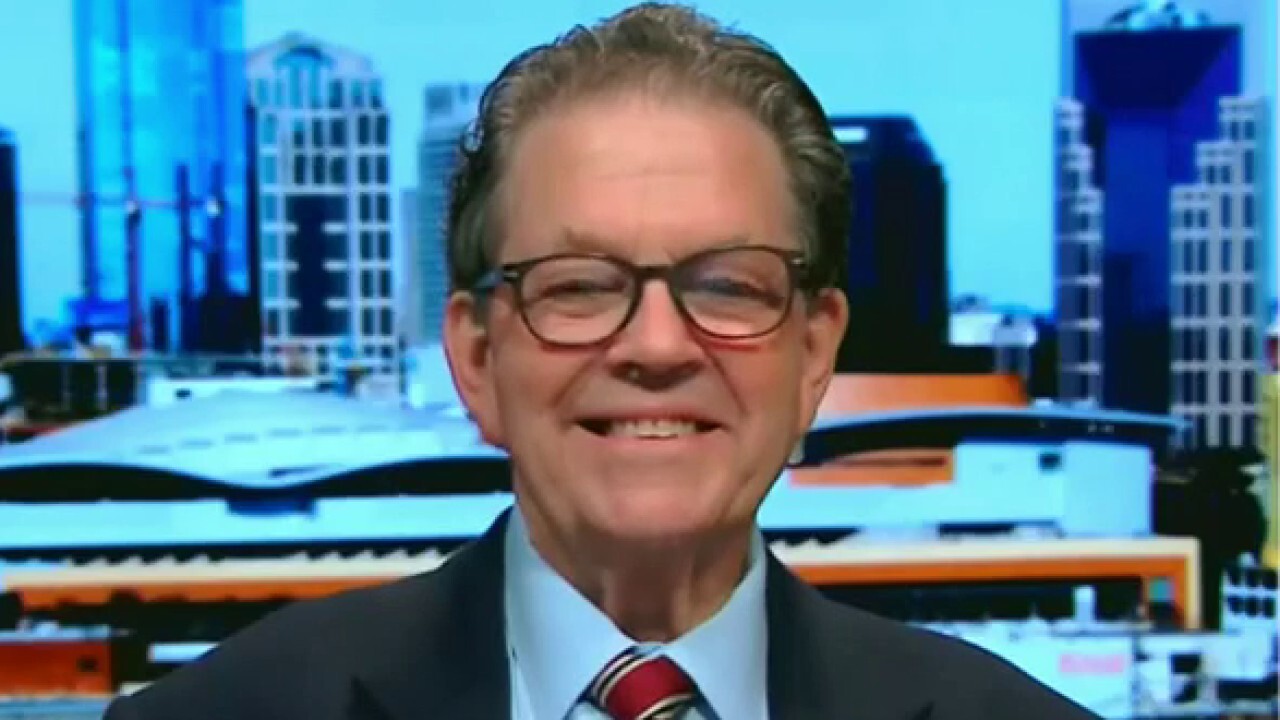
This analysis is based on the Fox Business “Making Money” program segment [1][2] published on March 18, 2026, featuring economist Art Laffer discussing the potential Federal Reserve Chair nomination of Kevin Warsh. The segment’s title—“Warsh won’t make that ‘mistake’”—appears to reference the Fed’s post-pandemic rate hiking cycle, which saw interest rates rise significantly from near-zero to combat inflation.
Art Laffer, renowned for the Laffer Curve and as a supply-side economics advocate, expressed confidence that Warsh could pursue a distinctly different monetary policy approach than current Fed Chair Jerome Powell. Specifically, Laffer highlighted controlling the Fed’s balance sheet as the mechanism through which Warsh could bring long-term interest rates down substantially [1][2].
Kevin Warsh’s nomination to succeed Jerome Powell faces significant political and legal obstacles [3][4]:
| Factor | Status |
|---|---|
Nomination Date |
Announced January 2026 by President Trump |
Powell’s Term Expiration |
May 15, 2026 |
Confirmation Deadline |
If not confirmed by June 16-17 Fed meeting, Powell may continue leading FOMC |
Current Status |
Stalled/On Hold |
Key Blocker |
Sen. Thom Tillis ® holding up nomination |
The legal complexity stems from a criminal investigation into Jerome Powell led by U.S. Attorney Jeanine Pirro regarding Fed building renovations. A federal judge recently quashed grand jury subpoenas, characterizing the investigation as a “pretext to pressure the Fed for lower interest rates” [3]. The ongoing appeals process continues to delay Warsh’s Senate confirmation hearings.
Laffer’s commentary reflects growing market expectations that a Warsh-led Federal Reserve would adopt a different monetary policy framework. The emphasis on balance sheet control suggests a focus on quantitative tightening reversal or more aggressive quantitative easing as tools for rate management. This represents a notable departure from the Powell administration’s approach, which has prioritized fighting inflation through federal funds rate adjustments while maintaining a relatively passive balance sheet stance.
The March 18, 2026 Federal Reserve meeting kept interest rates unchanged for the second time in 2026 [0], maintaining the status quo while the leadership transition remains uncertain.
-
Monetary-Fiscal Intersection: The legal battle over the Powell investigation creates an unprecedented situation where monetary policy leadership is entangled with criminal investigations, introducing additional uncertainty to market expectations.
-
Political Economy Dynamics: The confirmation process has become politicized, with Senator Tillis linking Warsh’s confirmation to resolution of the Powell probe. This creates a hostage situation in the confirmation process.
-
Market Pricing vs. Reality: Market participants may be pricing in rate cuts based on expectations of a Warsh-led Fed, but these expectations could prove premature if confirmation is delayed beyond Powell’s term expiration.
The Laffer commentary serves as a signaling mechanism from pro-growth economic circles about expected policy direction under Warsh. The emphasis on balance sheet management rather than federal funds rate targeting suggests a potential shift toward yield curve control or other unconventional monetary tools.
If Warsh assumes the chairmanship, the transition could mark a significant philosophical shift in Federal Reserve policy toward what market observers might characterize as more market-friendly or dovish stance, though the specifics remain to be seen through confirmation testimony and subsequent FOMC communications.
| Risk | Assessment | Time Sensitivity |
|---|---|---|
Confirmation Risk |
High | Immediate - May 15 deadline |
Policy Expectation Gap |
Medium | Near-term - Market pricing may be premature |
Legal/Political Uncertainty |
High | Ongoing - Appeals process outcome uncertain |
Leadership Vacuum |
Medium | Medium-term if nomination stalls |
- If the Powell investigation continues through the summer, Warsh may not be confirmed before Powell’s term expires, creating potential leadership uncertainty at the Federal Reserve [3][4]
- Markets appear to be pricing in rate cuts that may not materialize if Warsh faces sustained congressional resistance
- The nomination has become entangled with contentious legal proceedings, increasing overall political risk premium in financial markets
- Policy Clarity: Once confirmed, Warsh’s specific approach to balance sheet management could provide clear forward guidance to markets
- Transition Positioning: Market participants may find opportunities to position for yield curve steepening if Warsh signals aggressive balance sheet expansion
- Volatility Arbitrage: The confirmation uncertainty creates options-based volatility that sophisticated traders may exploit
This media commentary segment reflects significant market attention on the Federal Reserve chair transition. Key takeaways include:
-
Art Laffer’s Assessment: Kevin Warsh could bring long-term interest rates down substantially through balance sheet control, representing a potential departure from Powell-era policy [1][2]
-
Nomination Status: Warsh’s confirmation remains stalled due to the ongoing Powell investigation and Senator Tillis’s holds [3][4]
-
Timeline Constraints: Powell’s term expires May 15, 2026; if not confirmed by the June Fed meeting, the leadership situation becomes more complex
-
Market Context: The Fed maintained rates unchanged at the March 18, 2026 meeting, preserving the status quo during this transition period [0]
Investors and market participants should monitor Senate Banking Committee scheduling for confirmation hearings, track developments in the Powell investigation appeals process, and observe any market reactions to commentary from Warsh supporters. The convergence of legal, political, and monetary policy factors creates a uniquely complex environment for Federal Reserve leadership succession.
This analysis integrates internal analytical data [0] with external sources including Fox Business [1], the original YouTube segment [2], and Reuters reporting on the nomination status [3][4].
Insights are generated using AI models and historical data for informational purposes only. They do not constitute investment advice or recommendations. Past performance is not indicative of future results.
About us: Ginlix AI is the AI Investment Copilot powered by real data, bridging advanced AI with professional financial databases to provide verifiable, truth-based answers. Please use the chat box below to ask any financial question.