Bond Markets Hit by Oil Shock: Inflation Fears Drive Yield Spike
Unlock More Features
Login to access AI-powered analysis, deep research reports and more advanced features
About us: Ginlix AI is the AI Investment Copilot powered by real data, bridging advanced AI with professional financial databases to provide verifiable, truth-based answers. Please use the chat box below to ask any financial question.
The bond market turbulence stems from a confluence of geopolitical and monetary policy factors that have dramatically shifted investor expectations regarding inflation and interest rates. According to Matthew Diczok, Head of Fixed Income Strategy at Merrill and Bank of America Private Bank, the market does not expect a sustained increase in energy prices, yet current conditions suggest otherwise [1].
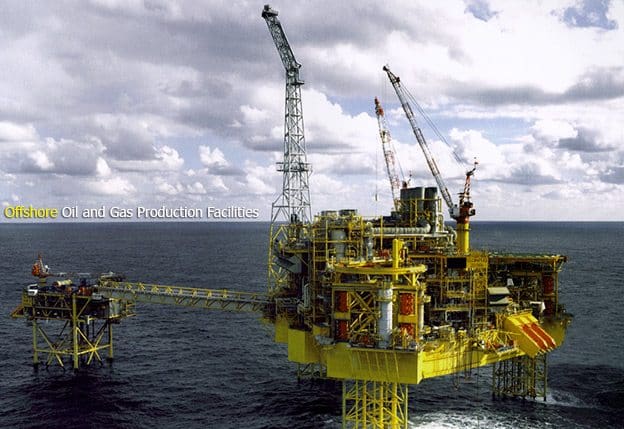
The trigger for this market upheaval is the oil price surge above $100/barrel, driven by the third week of U.S.-Iran hostilities [1][2]. This geopolitical development has caused central banks to signal fresh concern about an inflation shock, prompting bond traders to dramatically reprice their expectations for Federal Reserve policy. Notably, traders have now priced out even a single rate cut for 2026, a significant shift from earlier expectations of monetary easing [2].
The technical signals in the bond market are particularly striking. The 2-year Treasury yield exceeding the Federal Reserve’s interest-rate target represents a phenomenon not observed since before the 2008 financial crisis [3]. This unusual yield curve dynamics—specifically “bear-steepening”—has made investors nervous, as it signals markets are pricing in a potential multi-year rate-hiking cycle [3].
The equity market response has been equally pronounced. March 18 saw significant selloffs across major indices, with the S&P 500 declining 1.08%, NASDAQ falling 1.20%, and the Dow Jones Industrial Average dropping 1.47% [0]. This risk-off sentiment continued into March 20, with the S&P 500 down 0.68%, NASDAQ down 0.84%, and the Russell 2000 declining 1.41% [0].
The interconnection between geopolitical events and market dynamics has been clearly demonstrated in this episode. The U.S.-Iran conflict represents a significant supply-side shock to energy markets, which traditionally have substantial pass-through effects to broader inflation metrics. What makes this situation particularly noteworthy is the speed at which bond markets have recalibrated expectations—the complete pricing out of any 2026 rate cuts represents a dramatic shift in monetary policy expectations.
The yield curve behavior carries important diagnostic value. When short-term yields exceed the fed funds rate, it typically indicates that markets expect persistent inflation or economic weakness that will constrain the Fed’s ability to cut rates. In this case, the signal suggests markets are pricing in continued inflationary pressure requiring sustained higher rates.
- Sustained energy price increases could further strain consumer spending and business costs [2]
- The 2-year yield premium persisting could indicate entrenched inflation expectations
- Corporate borrowing costs may rise, potentially impacting credit market conditions
- Duration risk in fixed income portfolios has increased significantly
- Inflation-hedged positions (TIPS, commodities) may provide portfolio protection
- Energy sector exposure could offer upside if oil prices remain elevated
- Potential volatility premium in options markets for hedging strategies
- The Federal Reserve meeting on March 25 may provide clarity on policy trajectory [1]
The situation requires close monitoring over the next 1-2 weeks, particularly around the March 25 Federal Reserve meeting and upcoming CPI/PPI data releases. The trajectory of oil prices will be critical in determining whether this represents a temporary geopolitical premium or a more sustained shift in inflation expectations.
This analysis is based on market data and news reports indicating that bond markets experienced significant volatility on March 20, 2026, driven by concerns that surging oil prices above $100/barrel—attributed to the ongoing U.S.-Iran conflict—would trigger an inflation shock. The 2-year Treasury yield rose to 3.88%, exceeding the Federal Reserve’s interest-rate target for the first time since before the 2008 crisis. Equity markets declined broadly, with the S&P 500 down 0.68%, NASDAQ down 0.84%, and Russell 2000 down 1.41% [0]. Bond traders have priced out any Federal Reserve rate cuts for 2026 [2], and the unusual yield curve behavior signals market concerns about sustained inflationary pressure requiring higher rates over coming years [3].
Insights are generated using AI models and historical data for informational purposes only. They do not constitute investment advice or recommendations. Past performance is not indicative of future results.
About us: Ginlix AI is the AI Investment Copilot powered by real data, bridging advanced AI with professional financial databases to provide verifiable, truth-based answers. Please use the chat box below to ask any financial question.