Case Study Analysis: Fear & Greed Index Timing vs DCA for S&P500 ETFs
Unlock More Features
Login to access AI-powered analysis, deep research reports and more advanced features
About us: Ginlix AI is the AI Investment Copilot powered by real data, bridging advanced AI with professional financial databases to provide verifiable, truth-based answers. Please use the chat box below to ask any financial question.
Related Stocks
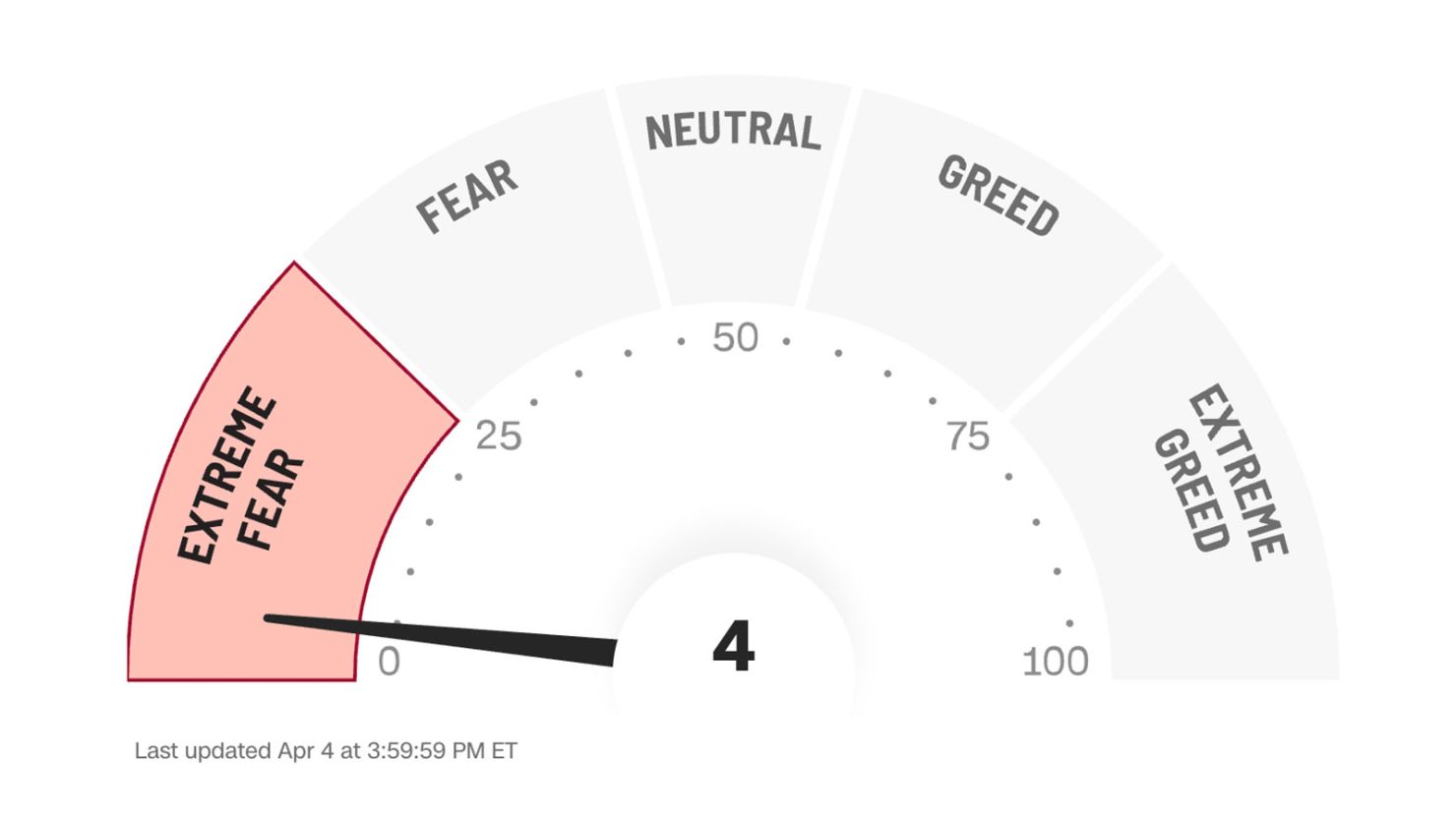
The user posed a question about whether purchasing S&P500 ETFs only when the CNN Fear & Greed Index falls below a threshold outperforms regular monthly DCA. Historical data (2011-2025) shows 128 days with the index below 10 (extreme fear, ~15% of days) [1], and the S&P500 delivered a total return of ~428% over the same period [0]. A ScienceDirect study indicates the index has predictive power for US equity returns [2]. Affected instruments include S&P500 ETFs like SPY, VOO, and IVV.
Cross-domain connections reveal critical trade-offs: buying during extreme fear may capture market bottoms (e.g., 2020 COVID crash), but opportunity cost of holding cash during rising markets (e.g., 2013-2017 had no days below 10 [1]) is significant. Gaps in day-level paired data (index values + S&P500 prices) prevent full strategy simulation, and threshold optimization (e.g., <10 vs <20) remains unaddressed. Transaction costs and tax implications are additional factors missing from current analysis.
Key stats: 128 extreme fear days (index <10), S&P500 total return ~428% (2011-2025). Critical gaps: day-level data for simulation, transaction costs, tax impacts, threshold optimization. The strategy requires careful evaluation of trade-offs between capturing bottoms and opportunity cost, with no definitive conclusion possible without additional data.
Insights are generated using AI models and historical data for informational purposes only. They do not constitute investment advice or recommendations. Past performance is not indicative of future results.
About us: Ginlix AI is the AI Investment Copilot powered by real data, bridging advanced AI with professional financial databases to provide verifiable, truth-based answers. Please use the chat box below to ask any financial question.