CME Data Center Outage: Implications for AI-Era Infrastructure and Industry Trends
Unlock More Features
Login to access AI-powered analysis, deep research reports and more advanced features
About us: Ginlix AI is the AI Investment Copilot powered by real data, bridging advanced AI with professional financial databases to provide verifiable, truth-based answers. Please use the chat box below to ask any financial question.
Related Stocks
On November 28, 2025, the CME Group—one of the world’s largest derivatives exchanges—halted futures trading across WTI crude, US 10Y Treasury, and S&P futures due to a cooling system failure at its CyrusOne-operated Chicago 1 (CHI1) data center in Aurora, Illinois. The outage lasted over 10 hours, disrupting trillions of dollars in daily derivatives trading. CyrusOne later restored operations and installed additional cooling redundancy to prevent future incidents [1].
The event sparked debate on Reddit about whether this was a one-off technical issue or a sign of broader infrastructure stress from AI-era workloads. Key points from the discussion included:
- CME’s decision not to fail over to its New York backup data center due to latency concerns for high-frequency trading (HFT) firms.
- Speculation about bullish opportunities for data center infrastructure and HVAC stocks (e.g., Comfort Systems USA) [user input].
The outage highlights systemic vulnerabilities in legacy data center infrastructure amid the rapid growth of AI workloads:
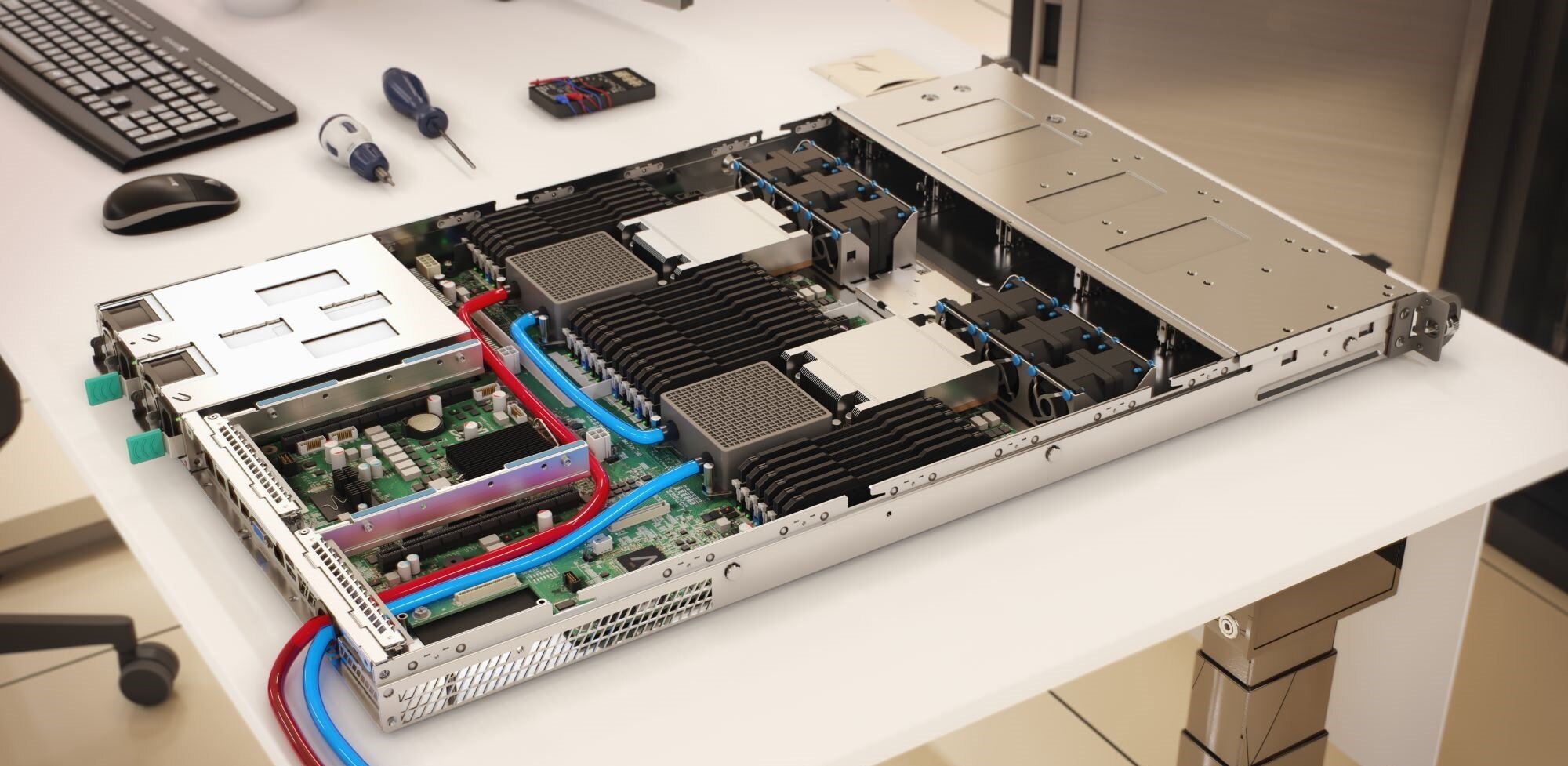
- AI-Driven Infrastructure Strain: AI workloads now drive 75% of new data center projects, increasing heat and power demand. Turner & Townsend’s 2025 report found 53% of industry experts expect liquid cooling to dominate future high-density AI projects, replacing traditional air cooling [3].
- Power and Cooling Demand Surge: The International Energy Agency (IEA) projects global data center electricity demand will double by 2030 (to ~945TWh) due to AI training and inference workloads [4]. This outage underscores the risk of cooling failures as heat loads rise.
- Regulatory and Standardization Pressure: The event may accelerate calls for stricter redundancy standards for data centers hosting critical financial services, as seen in CyrusOne’s post-outage investment in backup cooling [1].
- Data Center Operators: CyrusOne’s response sets a benchmark—competitors like Equinix and Digital Realty will likely accelerate investments in AI-optimized cooling to maintain client trust. Legacy operators without liquid cooling capabilities risk losing market share to firms with advanced infrastructure [1,3].
- Cooling Solution Providers: Vendors specializing in liquid cooling (e.g., LiquidStack) and data center HVAC (e.g., Comfort Systems USA) face increased demand. LiquidStack’s CEO noted cooling equipment lead times are outstripping supply due to AI growth [5].
- Entry Barriers: The need for high redundancy and advanced cooling raises costs for new data center entrants, consolidating the market among established players with deep pockets [3].
- Liquid Cooling Adoption: A shift from air to liquid cooling is underway—53% of respondents to Turner & Townsend’s survey expect liquid cooling to dominate high-density AI projects [3].
- Power Grid Constraints: The North American Electric Reliability Corporation (NERC) warned AI data centers increase winter blackout risks in regions like Texas and Michigan due to high power demand [6].
- Cost Escalation: Data center construction costs surged by 47% YoY in 2025, driven by AI-related infrastructure needs (cooling, power) [7].
- Data Center Operators: Prioritize AI-optimized cooling (liquid) and redundant systems to avoid costly outages. Balance redundancy with latency requirements for critical clients (e.g., HFT firms) [user input,1].
- Cooling Vendors: Scale liquid cooling solutions and educate clients on ROI (energy efficiency, reliability) [3,5].
- Financial Exchanges: Reassess disaster recovery plans—weigh latency concerns against outage risks (CME’s choice not to fail over led to a 10-hour disruption) [user input,1].
- Investors: Data center infrastructure stocks (e.g., FIX, with a 414% 2-year return) may benefit, but focus on firms with AI-ready cooling and redundancy [8].
a)
b)
c)
d)
e)
Insights are generated using AI models and historical data for informational purposes only. They do not constitute investment advice or recommendations. Past performance is not indicative of future results.
About us: Ginlix AI is the AI Investment Copilot powered by real data, bridging advanced AI with professional financial databases to provide verifiable, truth-based answers. Please use the chat box below to ask any financial question.