US January CPI Analysis: Inflation Cools to 2.4%, Fed Rate Cut Expectations Revived
Unlock More Features
Login to access AI-powered analysis, deep research reports and more advanced features
About us: Ginlix AI is the AI Investment Copilot powered by real data, bridging advanced AI with professional financial databases to provide verifiable, truth-based answers. Please use the chat box below to ask any financial question.
Related Stocks
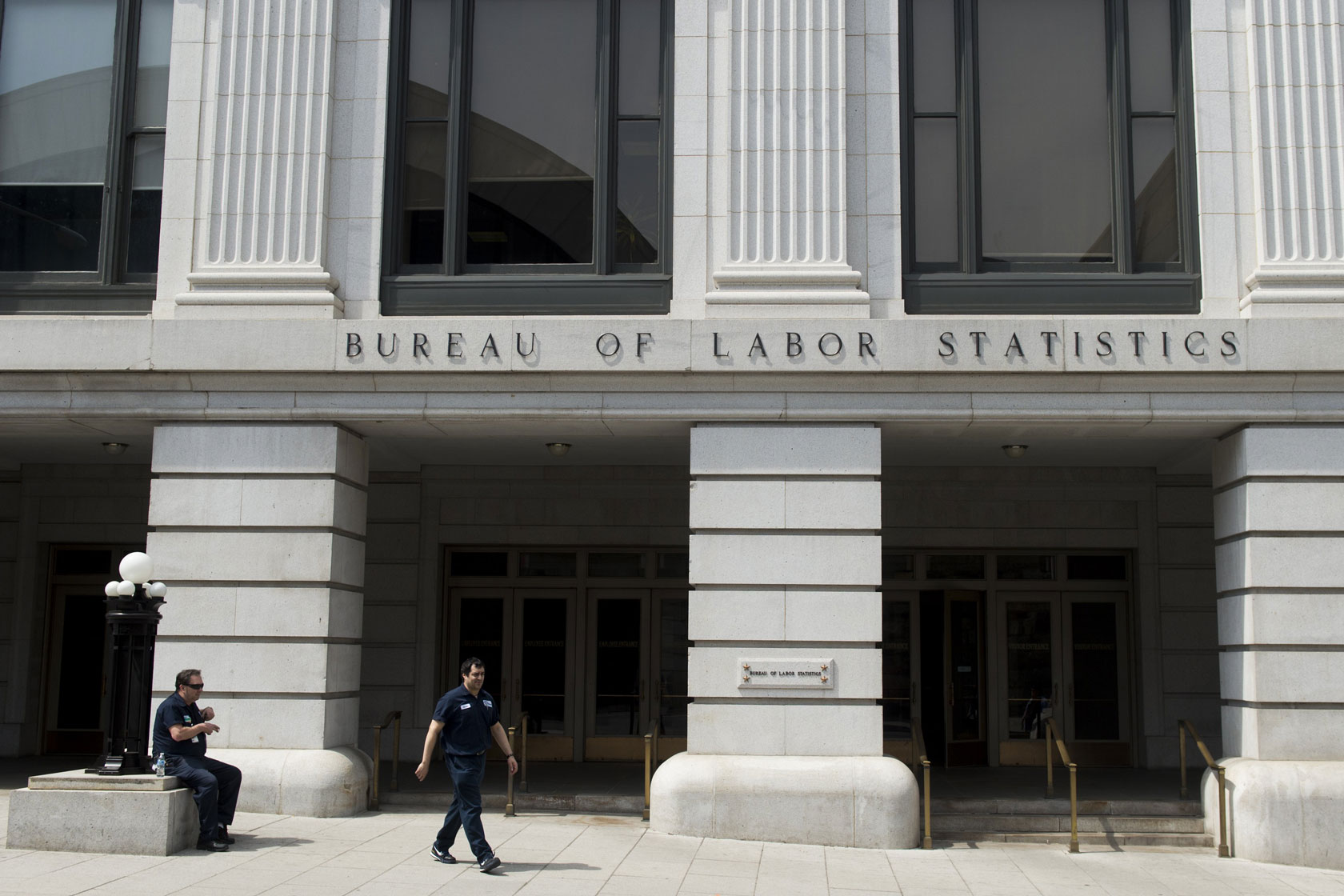
The January 2026 Consumer Price Index data, released on February 13, 2026, delivered a significant inflation surprise that reshaped market expectations for Federal Reserve monetary policy. The Bureau of Labor Statistics reported headline CPI at 2.4% year-over-year, falling below economist expectations of 2.5% and representing a 0.3 percentage point decline from December 2025’s 2.7% rate [1][2][3][4]. This marks the slowest pace of inflation since May 2025, providing evidence that the Trump administration’s tariffs have had “a weaker impact on inflation than initially feared” [4].
The fixed income markets responded enthusiastically to the inflation data, with the 10-year Treasury yield falling 2.9 basis points to 4.075%—its lowest level of the year—while the 2-year Treasury yield dropped to approximately 3.4%, reaching its lowest point since October [5][6]. The bond market recorded its best weekly gain in months as the CPI data kept Fed easing expectations alive [5]. Money markets are currently pricing in approximately 63 basis points of Fed rate reductions in 2026, implying roughly 2.5 quarter-point cuts with nearly 50% odds of a third cut by December [5][6].
However, equity markets exhibited a more nuanced response. While the S&P 500 remained essentially unchanged (+0.01%) and the NASDAQ slipped slightly (-0.07%), a notable sector rotation occurred from growth to defensive sectors. Utilities surged +3.55%, energy gained +1.60%, and basic materials added +1.55%, while technology lagged at -0.69% [0]. This rotation suggests investors are reassessing risk profiles following the stronger-than-expected January employment report, which showed 130,000 jobs added and threw “ice cold water on any hopes of a near-term rate cut” [2].
- Rate-Sensitive Sectors: Financials and interest-rate-sensitive industries may benefit from the improved rate cut expectations, particularly if the Fed follows through with anticipated cuts beginning in mid-2026
- Bond Market Positioning: The lowest yields of the year present opportunities for locking in yields before potential rate reductions
- Defensive Sector Rotation: The recent rotation toward utilities and consumer defensive stocks suggests continued appetite for stability amid uncertainty
- Sticky Services Inflation: Core services ex-shelter showing upward pressure could delay Fed cuts beyond market expectations [6]
- Labor Market Persistence: Continued robust hiring may keep the Fed cautious on policy normalization despite cooling price pressures
- Tariff Implementation: New tariff announcements could reignite inflation concerns, potentially reversing recent disinflation progress
- Fed Leadership Transition: With Kevin Warsh expected to take over as Fed chair, policy direction may shift in ways not fully priced into markets [7]
The January 2026 CPI report presents a balanced picture for market participants: inflation is trending downward toward the Fed’s target, yet economic strength—evidenced by resilient employment—complicates the timing of policy easing. The bond market has clearly embraced the disinflation narrative, with yields falling to year lows and the best weekly performance in months. Equity markets remain conflicted, exhibiting defensive rotation rather than broad-based risk-on behavior.
For decision-makers, the key data points are: headline CPI at 2.4% (below 2.5% expected), core CPI at 2.5% (meeting expectations), 10-year Treasury at 4.075% (lowest of the year), and market pricing of approximately 63 basis points of Fed cuts in 2026. The Bloomberg Real Yield panel featuring Kathy Jones (Schwab), Alexander Wolf (JPMorgan Private Bank), Jerry Cudzil (TCW), and Matt Brill (Invesco) is expected to weigh these competing factors in determining the Fed’s likely path toward rate normalization [1].
Insights are generated using AI models and historical data for informational purposes only. They do not constitute investment advice or recommendations. Past performance is not indicative of future results.
About us: Ginlix AI is the AI Investment Copilot powered by real data, bridging advanced AI with professional financial databases to provide verifiable, truth-based answers. Please use the chat box below to ask any financial question.